

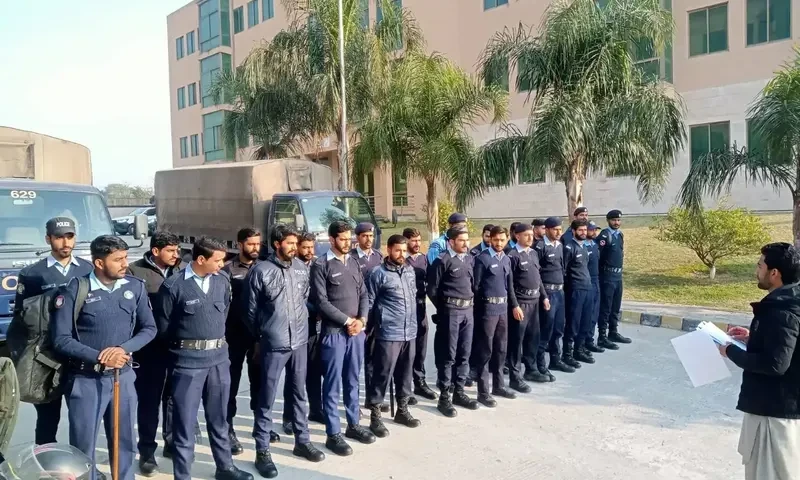

A substantial police presence has been deployed in Islamabad and Lahore as Pakistan Tehreek-e-Insaf (PTI) prepares to stage a protest against alleged electoral rigging. The federal capital police have emphasized the enforcement of Section 144 to maintain public order in Islamabad, where PTI supporters are expected to converge near F9 Park before marching towards the press club.
Amid concerns of potential unrest, law enforcement authorities have taken preemptive measures, including the deployment of a prison van and the digging of trenches near the protest site. PTI’s protest locations in Punjab, including outside the press club in Islamabad, have been identified, reflecting widespread discontent over the perceived irregularities in the February 8 elections.
The PTI’s stance against electoral malpractice is underscored by its assertion that over 80 seats were unfairly taken from the party, despite independent candidates backed by PTI securing many National Assembly seats. The party’s call for nationwide protests signals its commitment to challenging the integrity of the electoral process and demanding accountability.
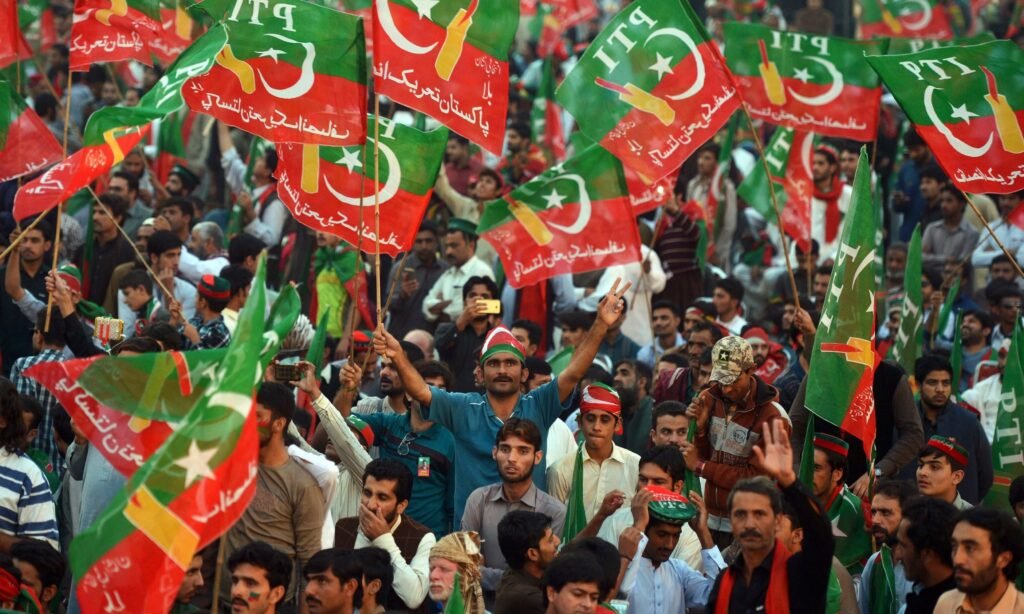
In anticipation of potential disruptions, Islamabad police have invoked Section 144, restricting public gatherings in the federal capital. Enhanced security measures, including increased patrolling and tightened checkpoints, aim to mitigate any security threats during the protests. The Counter Terrorism Department’s special forces have been deployed to maintain law and order and effectively respond to any emergent situations.
PTI leader Asad Qaiser’s condemnation of the February 8 polls and the subsequent call for nationwide protests underscore the party’s rejection of the electoral outcomes and its commitment to upholding democratic principles. Qaiser’s remarks highlight growing concerns over post-election stability and the imperative for transparent and fair electoral processes to ensure political legitimacy and public trust.
As PTI and other political entities navigate the aftermath of the contentious elections, the upcoming protests symbolize a broader struggle for electoral transparency and democratic accountability in Pakistan’s political landscape. The outcome of these demonstrations may shape the trajectory of future political discourse and governance in the country, reflecting the evolving dynamics of democratic participation and governance.
