



The Federal Board of Revenue (FBR) has exceeded the International Monetary Fund’s (IMF) tax target in the first six months of the current fiscal year.
The IMF had set a revenue collection target of Rs 4.425 trillion for the initial six months, and sources claim that the FBR has collected Rs 4.44 trillion during this period. The target represented a 35% increase compared to the last six months of the previous fiscal year.
According to the sources, the FBR achieved this collection with Rs 2.13 trillion in income tax, showing a Rs 730 billion increase. Additionally, Rs 1.5 trillion was collected in sales tax, and Rs 265 billion in federal excise duty.
However, customs duty collections amounted to Rs 540 billion, falling short by Rs 100 billion compared to the set target.
To meet the set target, an additional target of more than Rs 50 billion has been established for the last two days of the year. In line with IMF conditions, FBR offices and banks have been instructed to remain open on Saturday and Sunday until late at night for tax collection. As part of the IMF conditions, the telephone, electricity, and gas connections of tax defaulters will be disconnected.
Senate Human Rights Committee Rejects Public Executions for Capital Offences
Meanwhile, the Senate’s Standing Committee on Human Rights, with a majority of members present, rejected any proposed statutory amendments advocating public execution for capital offenses.
During a meeting at the Parliament House chaired by Senator Walid Iqbal, the committee, through a majority vote, asserted that such amendments, involving public executions for serious crimes, should be opposed based on the constitutional rights guaranteed by superior courts and existing laws in Pakistan.
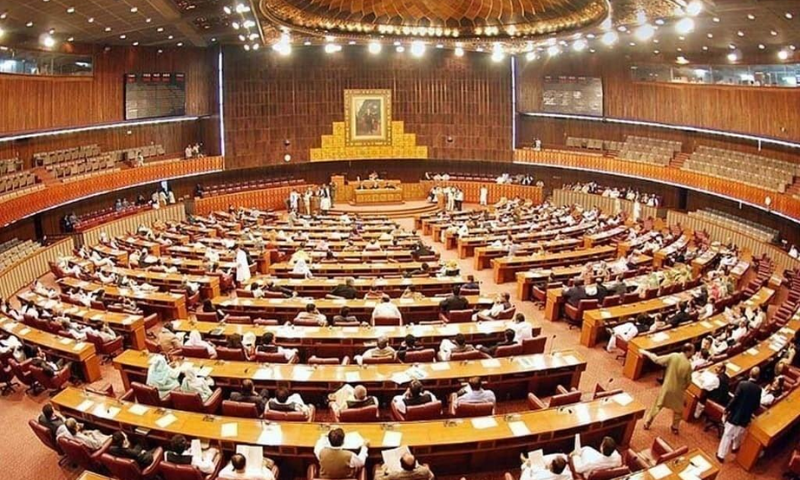
The committee urged the House to reject any such amendments if presented on its legislative agenda.
However, Senators Dr. Mehr Taj Roghani and Dr. Humayun Mohmand dissented, expressing disagreement with the committee’s decision, arguing that it was made hastily without proper research on the potential deterrent effects of public executions.
