

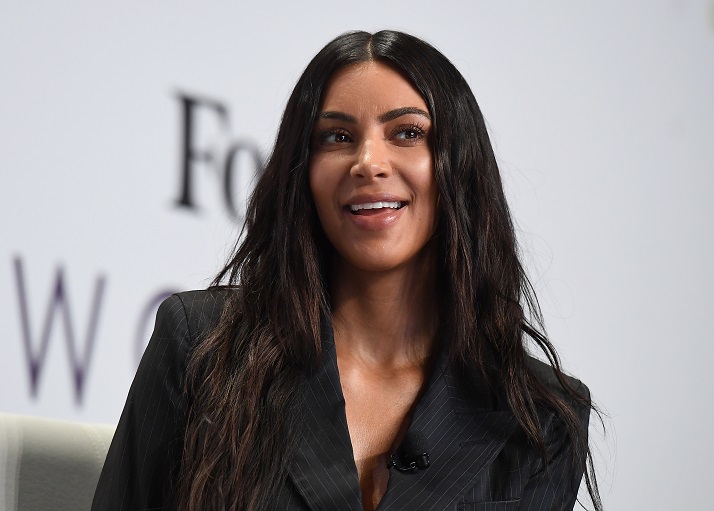

Reality TV personality Kim Kardashian has found herself in the midst of controversy after sharing videos on Instagram showcasing her Christmas gift-wrapping using cotton jersey fabric T-shirts from her brand SKIMS.
The emphasis on potential reuse drew attention, with some social media users pointing out the perceived resemblance of the wrapping style to Muslim funeral shrouds.
Criticism arose, accusing Kardashian of insensitivity to cultural traditions, particularly in light of ongoing violence and deaths in Palestine.
Some argued that the choice of wrapping, reminiscent of Muslim funeral practices, was a deliberate attempt to provoke and profit from the emotions of Palestinian supporters, citing previous instances such as her children’s Halloween costumes resembling injured Gaza children.
Critics also noted the perceived inconsistency in Kardashian’s sustainability efforts, given her frequent use of private jets and the associated environmental impact.
Furthermore, Kardashian had previously expressed support for Israel in the aftermath of an October 7 attack, issuing a lengthy statement without subsequent clarification.
This incident echoes similar controversies in the fashion industry, such as Zara’s campaign featuring a model draped in white fabric resembling shrouded bodies from Israel’s conflict with Gaza. Social media users called for a boycott, prompting Zara to remove the images. Marks and Spencer faced backlash for an advertisement depicting the burning of a Palestinian flag, leading to an apology and calls for a boycott.
The controversy surrounding Kardashian’s gift-wrapping has ignited discussions on cultural sensitivity, ethical considerations, and the intersection of celebrity actions with global geopolitical issues.
