

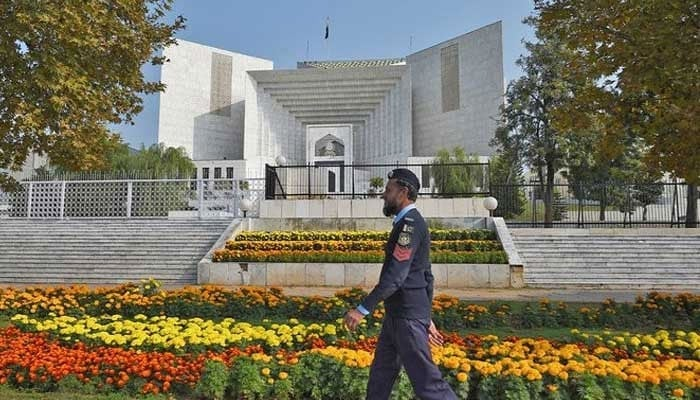

ISLAMABAD: The Supreme Court, in a written verdict of the November 15 hearing of the Faizabad sit-in case, emphasized that the nation faced consequences, specifically the May 9 events, due to the non-implementation of its 2019 judgment on the Faizabad sit-in.
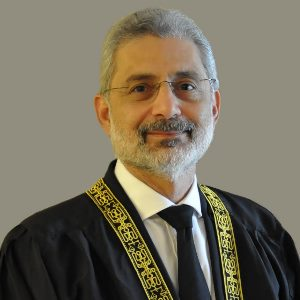
Chief Justice Qazi Faez Isa, heading the three-member bench, highlighted that successive governments disregarded the court’s concerns about orchestrated violent protests, leading to a lack of accountability for past violence. The judgment linked the recent violent protests on May 9, 2023, to the failure to heed the court’s warnings.
The verdict underscored that no one was held responsible for past violence, fostering a perception that violence was an acceptable means to achieve goals. The court expressed disappointment that those advocating for an independent judiciary and a tolerant Pakistan were denied justice, resulting in the nation suffering the consequences of the May 9 events.
Regarding the Faizabad judgment’s non-implementation, the court acknowledged that review petitions and applications were not promptly addressed, hindering the process. The May 9 events erupted following the arrest of PTI Chairman Imran Khan, leading to widespread protests and attacks on defense and public installations.
The judgment also mentioned the formation of an inquiry commission by the federal government under the Pakistan Commissions of Inquiry Act, 2017. The court expected the commission to complete its investigation within the stipulated two months.
While emphasizing the binding nature of Supreme Court decisions, the order recognized that present incumbents should not be held responsible for the actions of their predecessors.
The court, with humility, acknowledged the manipulation in not addressing review petitions promptly, pledging to regain public confidence and avoid repeating past mistakes. The order concluded by stating that truth strengthens institutions and that the people of Pakistan deserve a commitment to truth and justice.
