

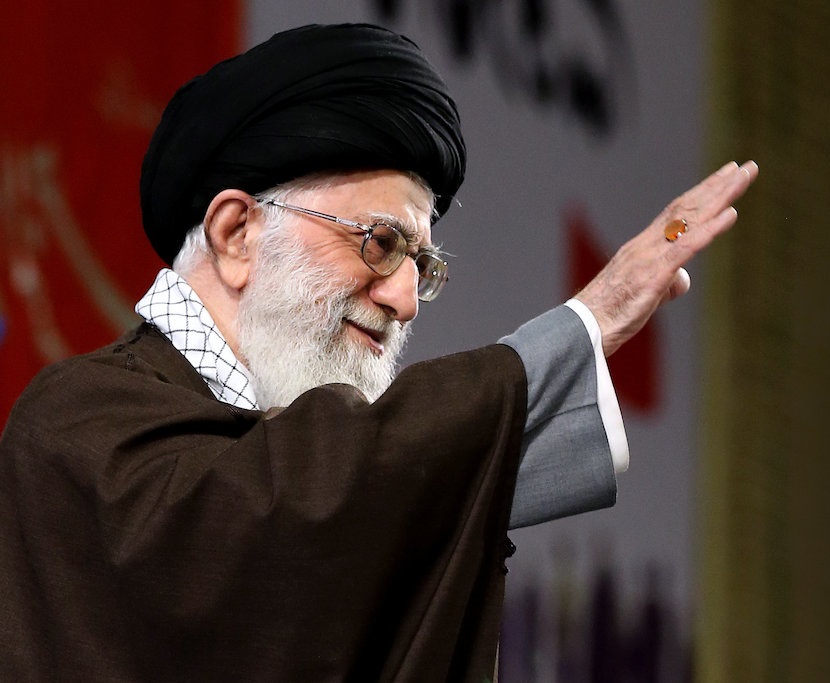

Iran’s Supreme Leader Ayatollah Ali Khamenei conveyed to Hamas leader Ismail Haniyeh in a meeting in Tehran that Iran would not directly participate in the conflict on behalf of Hamas.
Khamenei emphasized ongoing political and moral support but advised Hamas against calling on Iran and its ally Hezbollah to fully engage in the conflict against Israel.
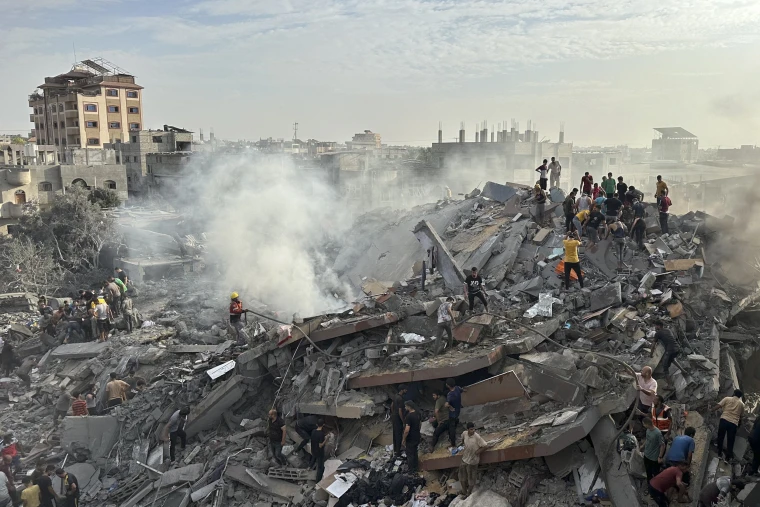
Following an attack on Israel on October 7, Hamas sought assistance from its axis allies, including Iran and Hezbollah. Despite political and moral backing, Iran made it clear it would not intervene directly unless attacked by Israel or the US.
Hezbollah, also part of the axis, was surprised by Hamas’ attack and did not have its fighters on alert. While engaging in clashes with Israel, Hezbollah avoided an all-out confrontation, strategically keeping the violence near the Lebanon-Israel border.
This crisis marks the first time the Axis of Resistance, led by Iran and including groups like Hezbollah and Hamas, has mobilized on multiple fronts simultaneously, testing the limits of their alliance.
Differing priorities and domestic challenges among axis members contribute to the complexity of the situation. Iran’s strategy involves using its armed allies, including Hezbollah, to launch attacks on Israeli and American targets across the Middle East, demonstrating solidarity with Hamas without engaging in direct conflict with Israel.
The US aims to prevent further escalation but continues to provide military aid to Israel. The Axis of Resistance has targeted US forces in Iraq and Syria, adding another dimension to the crisis with drone and rocket attacks.
As tensions rise, there is a risk of Hezbollah becoming involved in the conflict, potentially leading to a broader regional problem. The situation remains dynamic, with various actors carefully calibrating their actions to prevent a wider war.
