


Civilian Trials
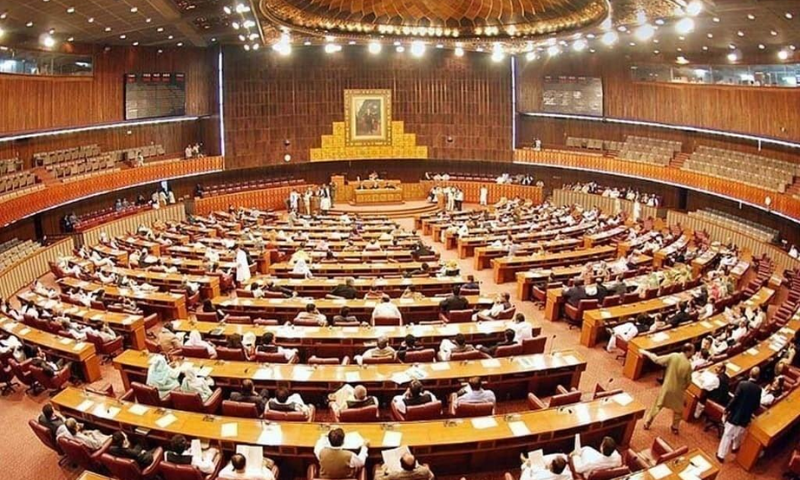
The Senate of Pakistan passed a resolution on Monday with a majority vote, advocating the trials of civilians engaged in the May 9 riots under the Army Act.
The resolution stated, “Reiterating that the trial of those accused of violence against the armed forces under the Army Act is an appropriate and proportional response in line with Pakistan’s existing constitutional framework and statutory regime.”
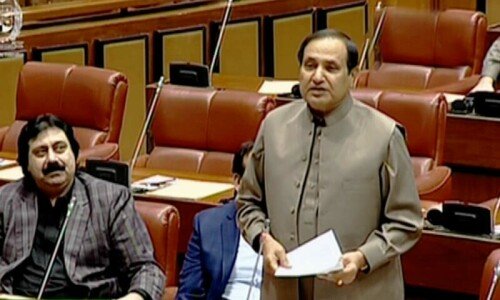
During a Senate session on Monday, Senate members, including Dilawar Khan, Manzoor Kakar, Kauda Babar, Ahmed Khan, and Naseebullah Bazai, presented the resolution. However, Senators Mushtaq Ahmad Khan and Raza Rabbani opposed it. Last month, the Supreme Court, in a five-member bench led by Justice Ijaz ul Ahsan, announced a verdict halting the military trial of civilians arrested in connection with violent protests on May 9.
The Senate urged the Supreme Court to reconsider its decision on declaring certain sections of the Army Act, including the establishment of military courts, as unconstitutional. Senators emphasized that the trial of individuals accused of anti-state vandalism and violence under the Army Act serves as a deterrent against such acts.
Expressing solidarity with the families of martyrs, Senators endorsed their concern that the absence of military court trials might encourage those responsible for acts of terrorism. They noted that the judgment of the apex court nullified the sacrifices made by martyrs in combating terrorism.
The Senators stressed that military courts have played a significant role in addressing terrorism by ensuring that those responsible for terrorist acts are brought to justice. Overall, the Senate passed a resolution, advocating the civilian trials who were engaged in the May 9 riots.
They expressed dismay that the apex court did not consider existing procedures, overlooking the appeal process against military court orders. The resolution concluded by stating that stringent punishments should be given to the culprits of the May 9 incident to create a deterrence and uphold the supremacy of the state.
