

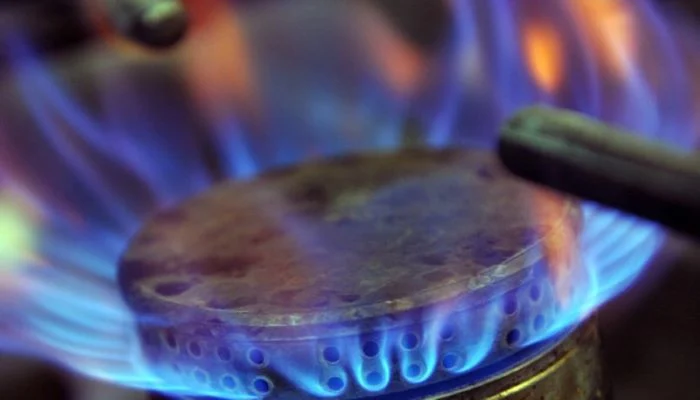

As winter approaches in Pakistan, a severe gas crisis looms due to potential non-arrival of LNG cargo from Azerbaijan’s SOCAR in January 2024, as indicated by energy ministry officials.

The country, already facing a projected gas shortfall of 360 MMCFD in December 2023 and 470 MMCFD in January 2024, had restricted domestic gas availability to 8 hours for cooking.
The expected absence of SOCAR cargo may worsen the crisis, compelling the government to further reduce domestic gas availability to just six hours in January. The GtG deal made during the previous government’s tenure with SOCAR for one LNG cargo per month might be at risk due to the firm’s difficulty in offering distressed LNG prices for January.
Pakistan LNG Limited (PLL) plans to issue tenders for spot cargoes for January but seeks exemptions from response and bid validity times. Despite potential bids, securing additional spot cargoes is challenging, given market dynamics and rising gas demand, especially in the Sui Northern system.
The government aims to receive four-term cargoes from Qatar in January 2024, mitigating the crisis to some extent. However, local gas production decline and challenges in securing spot cargoes raise concerns about meeting the growing demand, particularly in the Sui Northern system.
Pakistan Finalizes Climate-Oriented Fiscal Strategy To Meet IMF Requirements
Meanwhile, in an effort to meet a crucial IMF deadline and secure funding from major multilateral agencies, the government has finalized a fiscal strategy outlining that all future investments, including those facilitated by the newly established Special Investment Facilitation Council, must prioritize complete climate resilience.
According to the strategy, the Public Sector Development Programme (PSDP), public-private partnerships (PPP), and the Special Investment Facilitation Council (SIFC) are mandated to undergo a reorientation process focused on climate finance, innovative instruments, carbon credits, and accreditation with global bodies.
One of the key objectives of the ongoing $3 billion Standby Arrangement (SBA) with the IMF involves Pakistan building climate resilience, given the recurrent cycles of extreme weather conditions and natural disasters. The adoption of the ‘Climate-Public Investment Management Assessment (C-PIMA)’ and the PIMA action plan by the federal cabinet is among the three structural benchmarks to be achieved by the end of this year.
