

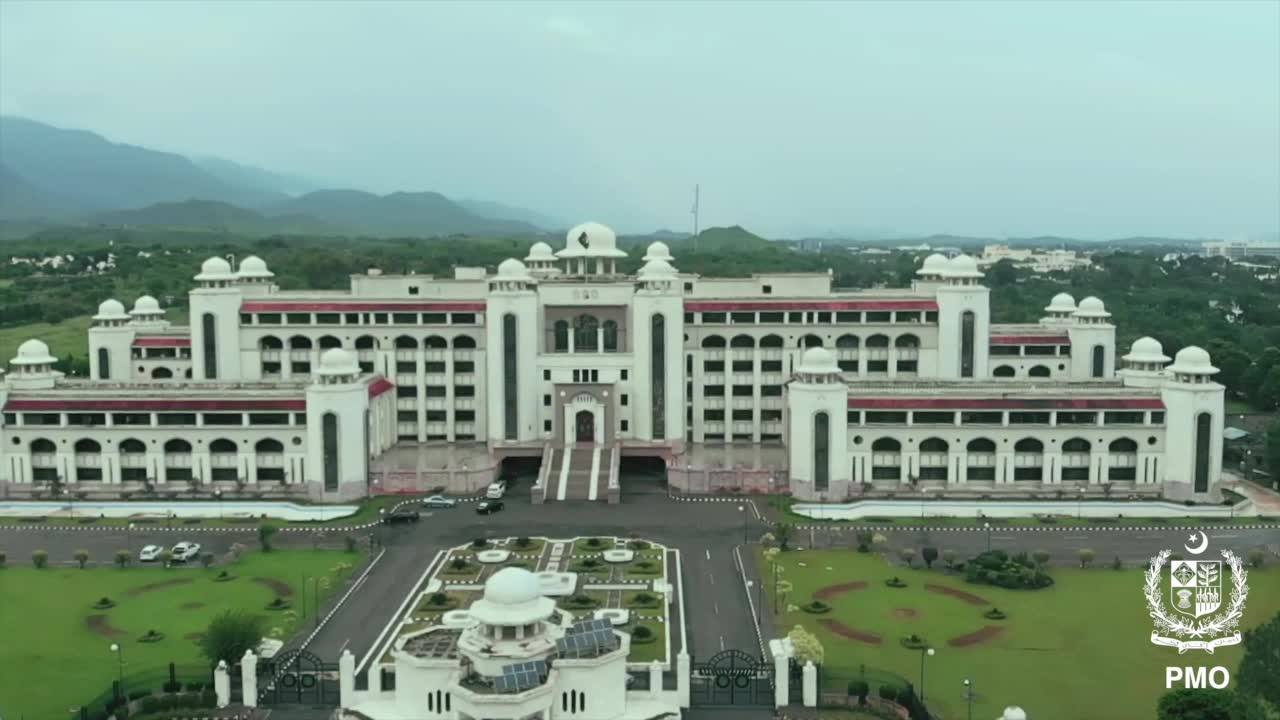

ISLAMABAD: The Prime Minister’s Office (PMO) has informed the Islamabad High Court (IHC) that there is a legal framework in place for audio recordings in Pakistan, and it does not interfere in the day-to-day “sensitive” affairs of intelligence agencies. This statement was made in response to the audio leaks case before the IHC.
The PMO noted that the Investigation for Fair Trial Act of 2013 provides a legal framework for audio recordings. However, it emphasized that the PMO maintains a “distant” relationship with intelligence agencies and does not interfere in their sensitive matters, as doing so would not be in the interest of the agencies or national security.

The reply also stated that the PMO expects intelligence agencies to operate within the boundaries of the law and the Constitution. It emphasized the importance of preventing the leakage of recorded audio, as required under the Prevention of Electronic Crimes Act ordinance.
The case arose from petitions filed by Najam Saqib, the son of former Chief Justice Saqib Nisar, who was summoned to a parliamentary committee after an audio allegedly belonging to him was leaked to the media. The court sought clarification on the legality of recording audio and who is authorized to do so.
The federal government requested the court to dispose of the case in the last hearing on October 30, but Justice Babar Sattar adjourned the hearing and asked for a government reply.
ECP Prepares for General Elections with Over 1 Million Election Officers and Staff
Meanwhile, the Election Commission of Pakistan (ECP) is in the process of preparing for the upcoming general elections in the country and has compiled lists of election officers and staff who will be responsible for various duties during the election, including presiding officers, assistant presiding officers, and polling staff.
According to the lists provided by the ECP, a total of 1,007,361 staff members will be appointed to perform their duties during the general elections across the country.
In the province of Punjab, a total of 526,123 officers and staff will be deployed. This includes 310,968 assistant presiding officers, 54,706 presiding officers, and 160,445 polling staff.
In the province of Sindh, there will be a total of 264,100 officers and staff. This includes 20,315 presiding officers, 81,262 polling staff, and 162,523 assistant presiding officers.
In Khyber Pakhtunkhwa, a total of 166,655 officers and staff will be deployed. This includes 16,525 presiding officers, 185,000 assistant presiding officers, and 50,045 polling staff.
In the province of Balochistan, there will be a total of 50,491 officers and staff, which includes 5,266 presiding officers, 30,150 assistant presiding officers, and 15,075 polling staff.
