

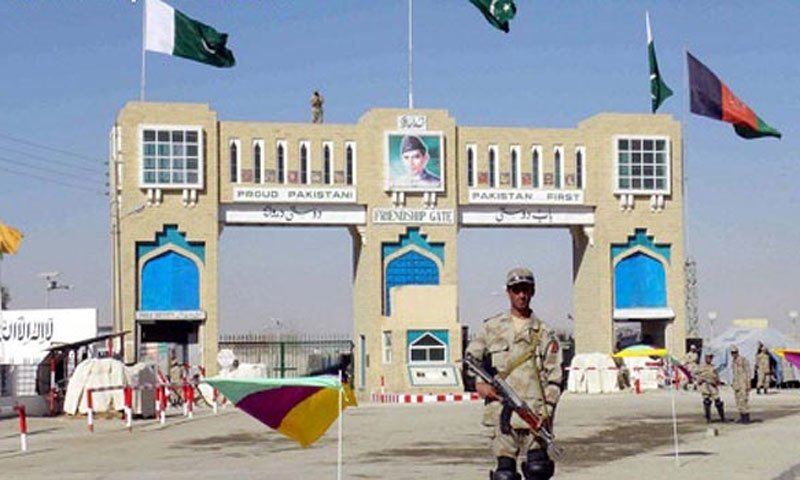

CHAMAN / ISLAMABAD: The Pakistan government has decided to implement a passport requirement for individuals crossing the Pak-Afghan border. This restriction will be in effect from November 1st, 2023
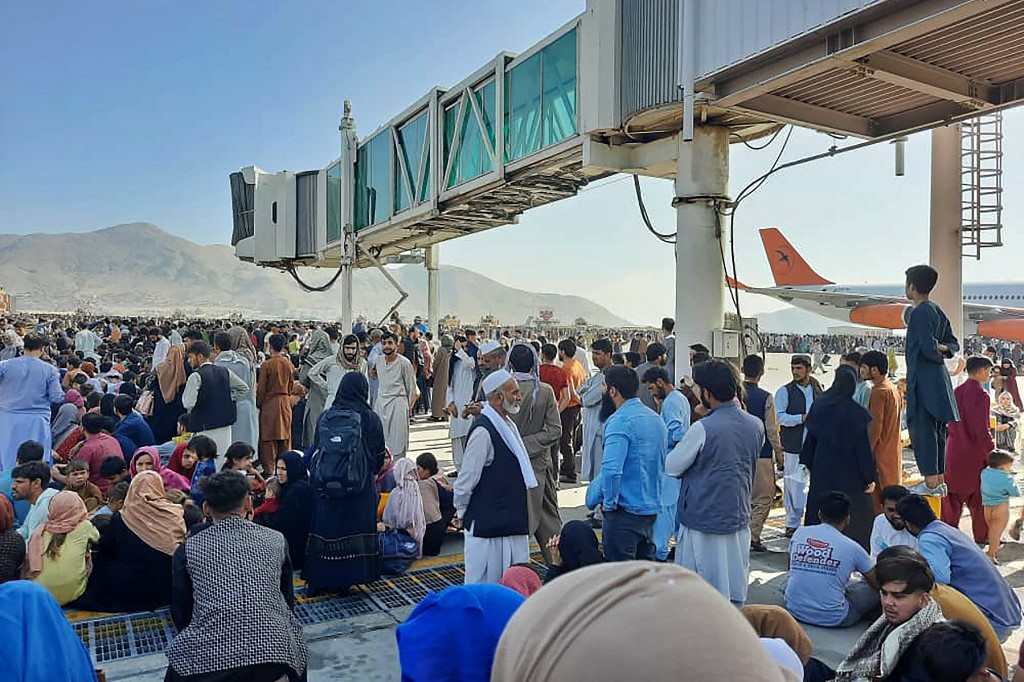
These regulations mandate that only individuals possessing valid passports and visas will be permitted to cross the border.
The Deputy Commissioner of the border district emphasized the importance of adhering to this passport requirement, cautioning against attempting to travel to the border without the necessary documentation.
It has been made clear that crossing the Pak-Afghan border using a Pakistani identity card or Afghan permit (Tazkira) will no longer be permitted. This restriction along with the passport requirement will be taking effect after October 31st.
Furthermore, authorities have issued a warning that individuals residing in Pakistan without legal status may face arrest and deportation following the October 31st deadline. According to U.N. agencies, there are over two million undocumented Afghans in Pakistan, with approximately 600,000 of them arriving in the wake of the Taliban’s takeover in 2021.
Pakistan Launches Nationwide Crackdown On Illegal Foreign Residents As Deadline Expires
Meanwhile, the Pakistani authorities have initiated a nationwide crackdown on illegal foreign residents, particularly Afghans, following the expiration of the October 31 deadline for them to leave the country at midnight.
In compliance with government directives, thousands of Afghans are voluntarily returning to their homeland from the Torkham and Chaman borders on a daily basis. On October 31, a total of 21,536 Afghans left for Afghanistan, comprising 7,292 men, 5,280 women, and 8,964 children.
Additionally, 883 families were repatriated to Afghanistan, using 319 vehicles. To date, 126,017 Afghan refugees have been successfully repatriated.
Updated Transport Plan for Detained Afghan Immigrants
Furthermore, there has been a change in the schedule for transporting detained illegal Afghans to Chaman. These individuals will now be sent from the holding camps to Chaman via Jacobabad on Thursdays, as opposed to the previously scheduled Wednesdays. This process involves sending 500 Afghans to Chaman on 10 buses for three days and using a non-stop train on the fourth day to transport individuals to the Chaman border via Rohri.
