

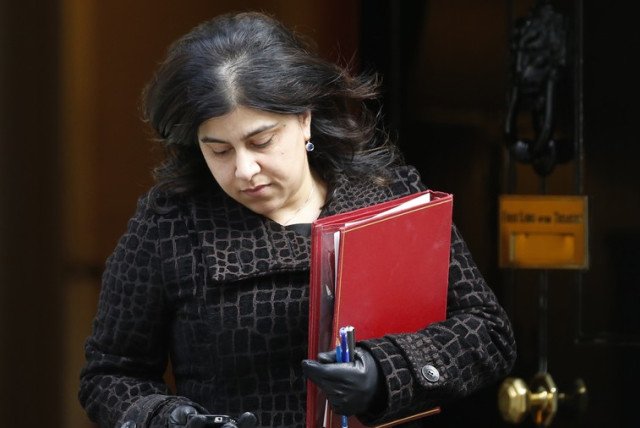

ISLAMABAD: More than a decade after her government speech where she famously declared, “Islamophobia has become acceptable in our society,” Baroness Sayeeda Warsi, a former UK minister, has delivered a significant address titled “Muslims Don’t Count: How the British press and political parties perpetuate the silence, stereotypes, and stigmatization of Muslims.”
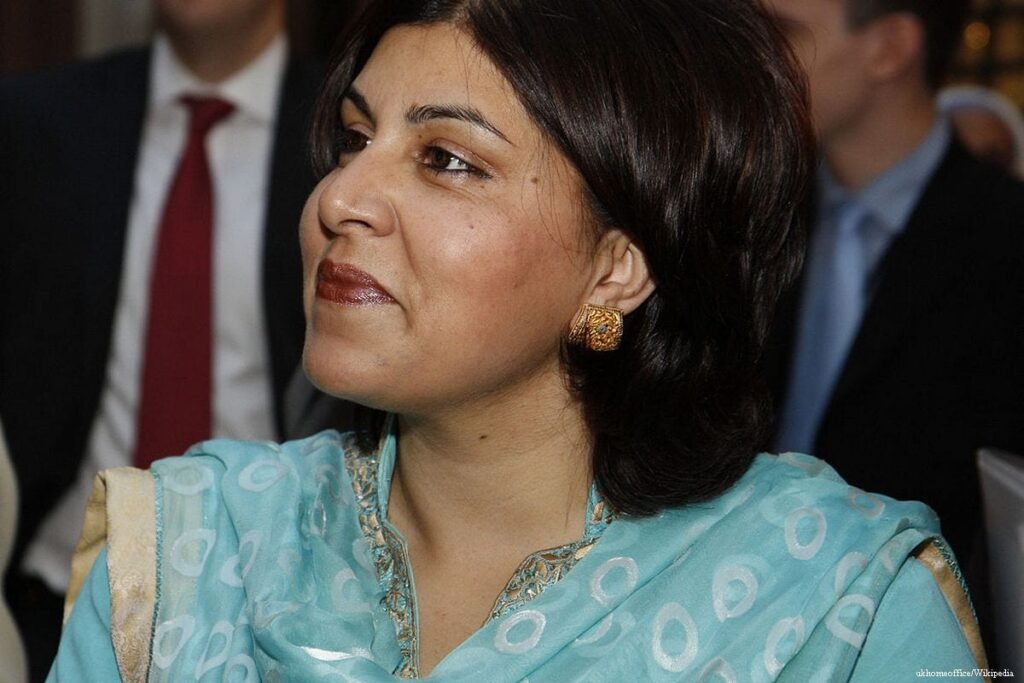
In her speech at the University of Leeds on Thursday evening, she meticulously cited polling, policy decisions, and the handling of high-profile events, including the current Middle East conflict, as examples of British Muslims being held to higher standards than their fellow citizens. She argued that this is fostering a climate of fear within a community of nearly four million.
She urged an end to culture wars and called on policymakers to change their course to avert potentially catastrophic consequences.
In her speech, Warsi highlighted, “This week is Hate Crime Awareness Week, and recently published government figures on hate crime once again reveal a rise in religiously motivated hate crime. Muslims remain the most targeted religious group (where the perceived religion of the victim was recorded, 2 in 5 (39%) of religious hate crime offenses were directed against Muslims (3,452 offenses)).”
Regarding the treatment of British Muslim communities in the political sphere, she contended: “There is a particular irony in this political struggle because, on the one hand, the government insists on the observance of ‘Fundamental British Values.’ However, when Muslims challenge actions that undermine these values, such as torture and rendition, or when they advocate for freedom of speech, freedom of association, or call out institutional Islamophobia, they are demonized, marginalized, excluded from political arenas, and treated as outcasts.”
“We are a liberal democracy with a long and proud history. We undermine our stated values by adopting a totalitarian approach towards a section of our fellow citizens, British Muslims. We appear as hypocrites.”
Continuing her fight against Islamophobia within her party, she challenged the Labour Party not to engage in a race to the bottom and urged mainstream politics to genuinely listen to British Muslims.
She stated, “I ask you to join what is, in effect, a Muslim civil rights movement, a demand for equal rights, to be heard, to be treated equally under the law.”
In reference to recent controversies and the fight against Islamophobia, she warned that if the climate of hatred towards Muslim communities persists, it could normalize the dehumanization, attacks, and othering of these communities in British society.
However, she concluded on an optimistic note, stating that the goodness in both society and British Muslim communities has always prevailed and will continue to do so. She emphasized this by recounting her family’s experiences and the contributions of British Muslims to the UK.
