

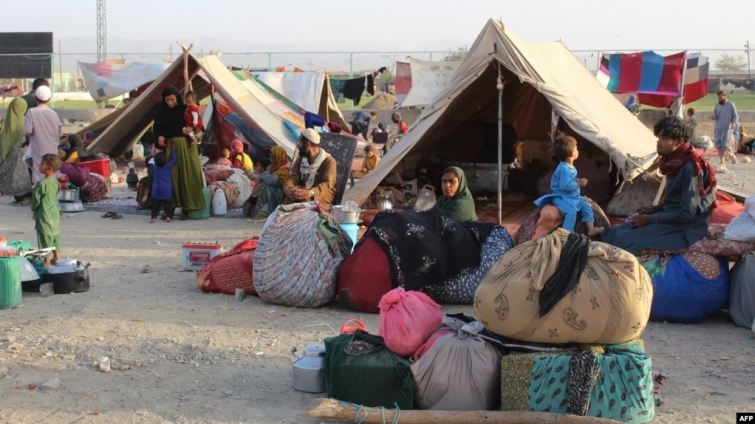

ISLAMABAD: With the deadline fast approaching to repatriate over a million undocumented Afghans and other foreigners by the end of this month, federal and provincial authorities are hastily assembling a workable plan for what could be considered one of the most significant deportation operations in modern times.
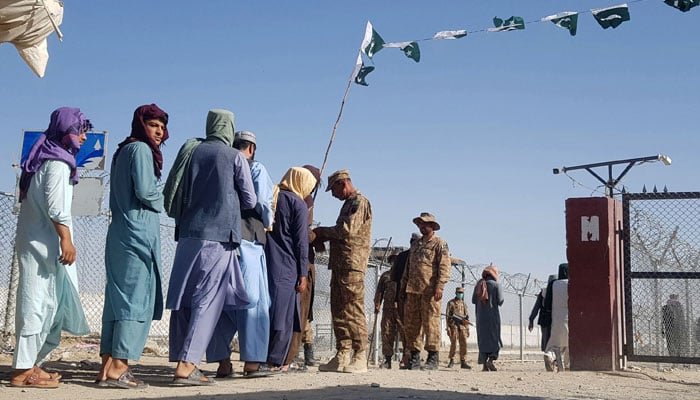
On September 27, following the recommendations of the apex committee of Khyber Pakhtunkhwa, the federal apex committee issued an ultimatum on Tuesday to all undocumented immigrants, including a significant number of Afghans. GOovernment issued a deadline of October 31, with the threat of imprisonment and deportation hanging over those who failed to comply.
The short deadline has caused concern within the Afghan community across the country, with more than half of them residing in KP, including the merged tribal districts. The decision also prompted a strong reaction on Wednesday from the Afghan Taliban’s chief spokesman, Zabihullah Mujahid, who described Pakistan’s treatment of Afghan refugees as “unacceptable” and urged Islamabad to reconsider its plan.
Background interviews with officials involved in the process revealed that authorities are grappling with the challenge of repatriating an unspecified number of illegal immigrants, primarily Afghans.
“This is a significant undertaking,” acknowledged an official. “Enforcing measures against and apprehending over a million or two illegal immigrants, detaining them, providing for their needs, and arranging their transport to the border or facilitating their departure from Pakistan would require a comprehensive logistical plan and substantial human and financial resources,” the official said, requesting anonymity. “And that’s precisely what we are currently working on.”
Pakistan Grapples with Uncertainty Over Afghan Immigrant Numbers
No one in the government possesses accurate figures regarding the number of illegal immigrants in Pakistan. A senior official in charge of this matter in Islamabad confirmed that the numbers are merely estimates. The UN refugee agency, UNHCR, reports 2.18 million documented Afghan refugees in Pakistan, comprising 1.3 million with Proof of Registration (POR) cards from the 2006-07 census and an additional 880,000 with Afghan Citizens Cards (ACCs) from 2017.
The return of the Afghan Taliban in August 2021, coupled with the collapse of the Afghan Republic, led to a new influx of approximately 600,000 to 800,000 Afghans to Pakistan, some of whom initially had valid visas but have now overstayed. In addition, there is an unspecified number of illegal immigrants from Afghanistan, estimated to be over one million, raising concerns from both security and socio-economic perspectives.
Afghan Refugee Repatriation Challenges
Officials admit that, despite discussions and strategies, there was no serious effort to develop a workable plan with the necessary resources for repatriating Afghan refugees, particularly after the NAP introduction in 2014.
Now, there is a growing recognition of the issue’s importance, and officials stress the need for a well-structured plan. The NAP’s significant outcome was the issuance of ACCs to undocumented Afghans in 2017, but no further repatriation action followed.
Repatriating a large number of undocumented foreigners requires meticulous planning, sensitization, logistical arrangements, and resource mobilization, which officials currently find challenging.
Although Pakistan is not a signatory to the 1951 Refugee Convention or the 1967 protocol, officials are committed to caring for refugees with POR and ACCs. Officials emphasize that the presence of millions of refugees, including undocumented individuals, raises national security concerns that require proper addressing.
Transit Afghans
The status of hundreds of thousands of Afghan arrivals in Pakistan post-Ashraf Ghani’s fall remains uncertain. While some seek asylum or third-country resettlement through a slow UNHCR process, a majority may end up as illegal immigrants. Many are in limbo, awaiting registration and screening.
Qaisar Afridi, UNHCR’s spokesman in Islamabad, acknowledges Pakistan’s refugee hospitality and emphasizes the need for voluntary refugee returns without pressure.passion for the most vulnerable.”
