

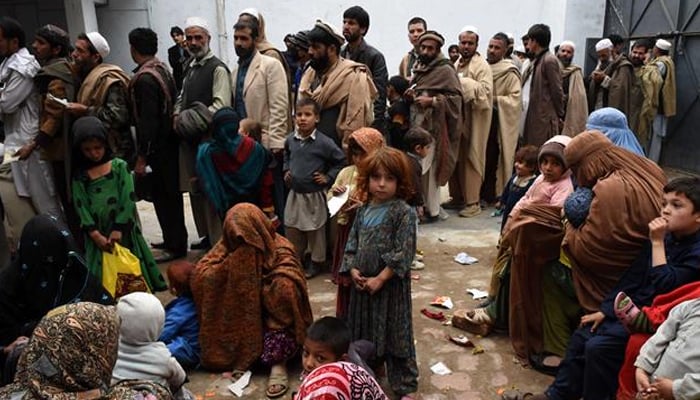

ISLAMABAD: Hours after the caretaker government’s decision to deport over 1 million “illegal immigrants” after the November 1 deadline, the United Nations (UN) stated on Tuesday that refugees residing in Pakistan should have the option to exit the country voluntarily, and no pressure should be exerted on them.
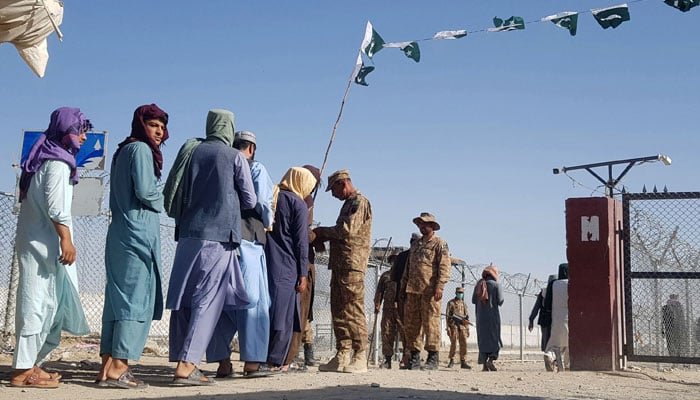
Qaisar Khan Afridi, a spokesman for the UN High Commissioner for Refugees (UNHCR), stated that any refugee return should be voluntary and without any pressure to ensure protection for those seeking safety.
The interim government earlier in the day issued an order for all illegal immigrants, including 1.73 million Afghan nationals, to leave the country or face expulsion. This decision followed the revelation that Afghan nationals had carried out 14 out of 24 suicide bombings in the country this year.
Interior Minister Sarfraz Bugti announced a November 1 deadline for illegal immigrants to leave voluntarily or face forcible expulsion. Bugti highlighted that 1.73 million Afghan nationals in Pakistan lacked legal documents to stay, with a total of 4.4 million Afghan refugees residing in Pakistan.
UNHCR Addresses Afghan Refugee Protection
The UNHCR official found press reports about a plan to deport undocumented Afghans “disconcerting” and sought clarity from government partners. Afridi urged Pakistan to develop a plan that ensures the protection of all Afghan nationals with international protection, considering Pakistan’s long history of generously hosting refugees.
He emphasized the challenges faced by those fleeing persecution, particularly their lack of necessary documents and travel permissions. Afridi expressed the UNHCR’s readiness to support Pakistan in establishing a mechanism for managing and registering people in need of international protection on its territory while addressing specific vulnerabilities.
He added that Pakistan, acknowledged globally as a generous host of refugees for decades, requires more efforts to match its generosity.
It’s worth noting that Pakistan has received a significant influx of Afghan refugees since the Soviet invasion of Kabul in 1979, and it has also raised concerns about militants, including those from the Tehreek-e-Taliban Pakistan (TTP), using Afghan soil for training and planning attacks inside Pakistan.
