

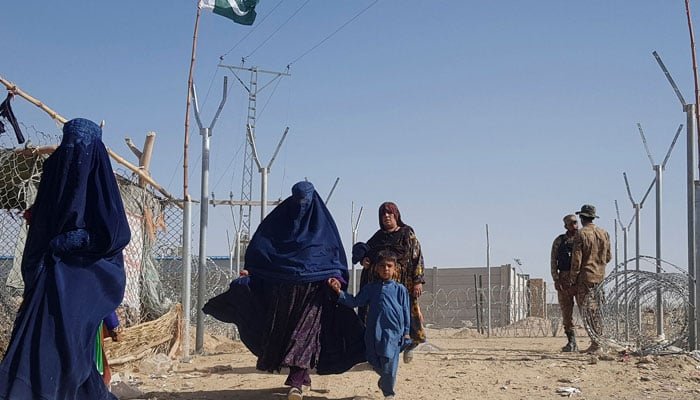

KARACHI / ISLAMABAD: The Sindh Home Department constituted committees at the province, division, and district levels to oversee the expulsion of illegal foreigners living in the province.
The department issued a notification to establish an Implementation Committee to oversee the repatriation process of illegal foreigners. The committees will comprise representatives from intelligence agencies, including Inter-Services Intelligence (IS), Intelligence Bureau (IB), Military Intelligence (MI), Federal Investigation Agency (FIA), National Database and Registration Authority (NADRA), and Sindh’s Commissioner for Afghan refugees. Their responsibilities include collecting data on unregistered refugees in the province, taking measures to expel them, and preventing their entry into the province.
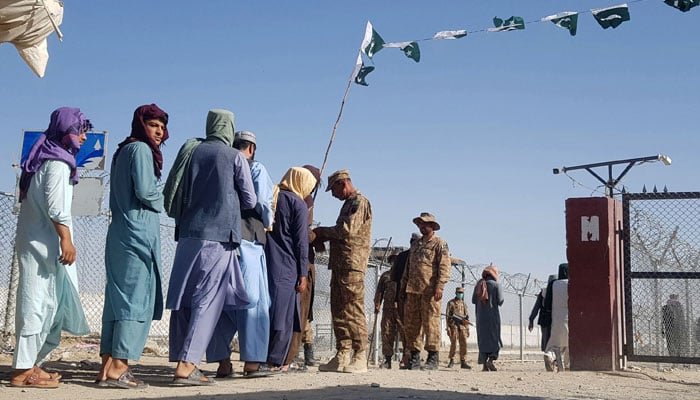
At the province and division levels, the additional chief secretary and the concerned divisional commissioner will chair the committees, while at the district level, the concerned deputy commissioners will lead.
Interim Interior Minister Sarfraz Bugti announced a deadline of November 1 for illegal “aliens” to voluntarily leave the country. This decision followed a deadly suicide blast in Balochistan’s Mastung, with Afghan nationals allegedly involved in many recent terror incidents in Pakistan.
The caretaker interior minister also revealed that Afghan nationals were responsible for 14 of the 24 suicide bombings in the country this year. The federal government, citing security risks, announced its decision to expel 1.1 million foreigners illegally residing in Pakistan, beginning with those who do not renew their visas.
In the subsequent phases, individuals with Afghan citizenship and possession of proof of residence cards will be deported. The plan to evict illegally residing Afghan citizens is due to their involvement in funding, facilitating, and smuggling terrorists, with 700,000 Afghans not renewing their proof of residence in Pakistan.
Simultaneously, the ministry has directed authorities to compile a record of Afghans living without permits and prepare a transportation plan for their repatriation to the Afghan border.
