


ISLAMABAD: The Supreme Court of Pakistan has identified “flaws” in the judgement issued by an Islamabad sessions court against PTI Chief Imran Khan, resulting in his imprisonment. However, the Supreme Court has chosen not to intervene until the next hearing of the case in the high court.
The Supreme Court granted permission to the Islamabad High Court to address the appeal against the sessions court’s judgement. The Supreme Court stated that if no developments occur in the high court, it would issue a verdict.
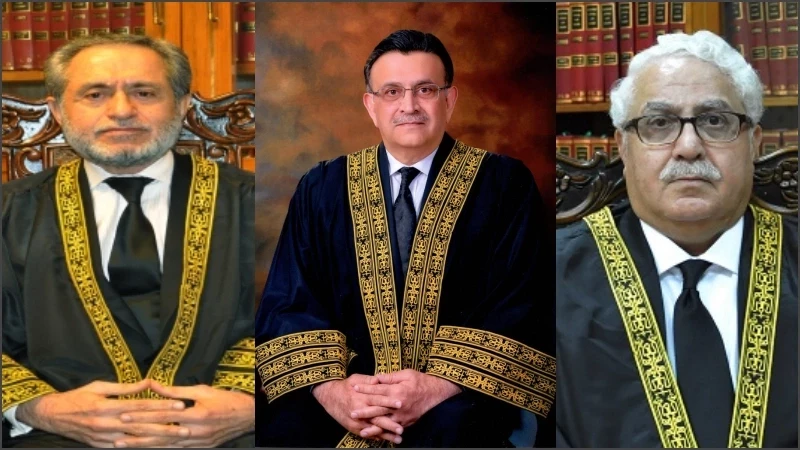
The Chief Justice of Pakistan, Justice Umar Ata Bandial, led a three-member bench during the proceedings. He remarked that there were apparent “flaws” in the August 5 judgement made by Judge Humayun Dilawar.
The Chief Justice emphasized that the trial court’s decision, made within a single day, appeared to have “flaws.” However, the SC opted not to intervene at the moment and decided to let the High Court make a decision.
During the hearing, Chief Justice Umar Ata Bandial expressed frustration with the Election Commission’s lawyer. He questioned the extent of justice provided to Chairman of PTI, Imran Khan.
CJP noted that even though the case was summoned three times, the trial court went ahead and sentenced Imran Khan. The court sent him to jail without permitting him to present his case. The Chief Justice emphasized that Khan was not given an opportunity to be heard.
Amjad Pervez, the lawyer representing the Election Commission, stated that the trial court had provided the accused three opportunities before delivering the verdict.
Justice Mazahar Ali Akbar Naqvi inquired how the trial court reached a decision in the Toshakhana case without affording the accused the right to a defense. He stressed that in any criminal case in the country, the court does not make a decision without ensuring the accused’s right to a defense.
Justice Jamal Mandukhel added that if the accused did not present any witnesses themselves, the court could summon witnesses. He emphasized that the Chairman of PTI was not granted the opportunity to present witnesses.
The Election Commission’s lawyer mentioned that the trial court had considered the witnesses irrelevant.
