


ISLAMABAD: The act of organ trading is illegal in Indonesia, and those who have been arrested may face 15 years in prison if they are proven guilty of violating the country’s human trafficking law.
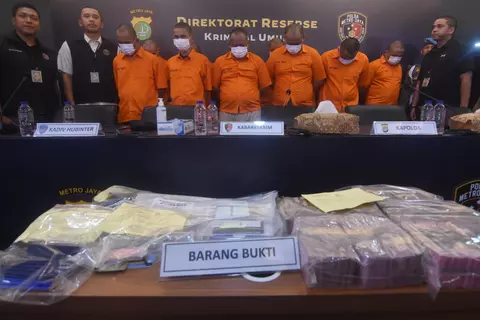
Indonesian authorities arrested ten syndicate members last week in connection with organ trading. If found guilty of violating the country’s human trafficking law, they could face 15 years in prison and fines of 600 million rupiah.
The police also apprehended three Bali immigration officers for their alleged involvement in an illegal organ trafficking syndicate. This syndicate transported numerous victims to Cambodia to sell their kidneys.
Last week, authorities have arrested a total of 12 individuals, including a police officer and an immigration officer identified as AH. These individuals were smuggling 122 victims abroad.
The three Bali immigration officers allegedly collaborated with AH. Accusers have implicated AH in accepting bribes to facilitate the passage of victims through immigration checks to Cambodia for kidney surgeries.
Authorities will transport the arrested officers to Jakarta, and will place them under the custody of the Jakarta police. Hengki Haryadi, the director for general crimes of the Jakarta police, informed in a statement.
Between March and June, at least 18 kidney donor victims departed Bali for Cambodia, as part of the trafficking operation.
Authorities are urging more potential victims to come forward as they investigate the case. Some of the cell members, who were once donors themselves, have turned into recruiters and are using Facebook and WhatsApp to entice and trade victims.
The organ trafficking ring has been in operation since 2019. It has earned a total of 24.4 billion rupiah ($1,588,614), as reported by Haryadi last week. The traffickers sold each kidney for 200 million rupiah. They were keeping 65 million rupiah for themselves and giving the rest to the victims.
Police have identified Preah Ket Mealea Hospital in the Cambodian capital, Phnom Penh, as the location where they harvested the organs.
Corrupt Officers Also Implicated
In addition to the traffickers, authorities accused a police officer of hindering the investigation. He was accepting bribes to assist the suspects in changing their locations. If found guilty, this officer could face a prison sentence of five years.
An immigration officer, identified as AH, faces allegations of abuse of power. If he is proven guilty, authorities may sentence him to up to 20 years in prison.
Cash-strapped Indonesians have fueled the illicit trade in human body parts. They resort to selling their kidneys online, sometimes accepting as little as 50 million rupiah ($3,300) for each kidney.
Poverty, family debts, and outstanding bank loans drive much of this desperate and illegal trade.
According to Haryadi, many of the 122 victims were exploited due to their vulnerable financial situations. They were financially unstable after losing their jobs during the pandemic.
