

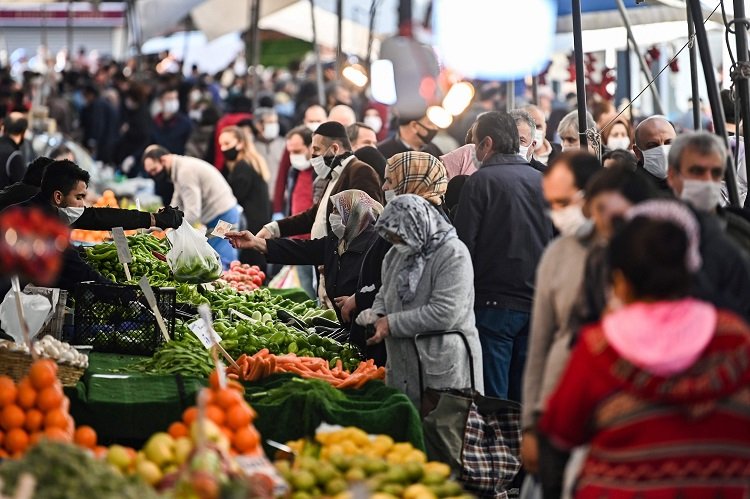

Annual inflation in Turkey hit a two-decade high in February 2022, amid President Recep Tayyip Erdogan’s policies to cut interest rates and a weakening currency.
Consumer prices increased by 4.8 percent in February from the previous month and annual inflation reached 54.4 percent, according to Turkish official data.
The surging cost of living has become a source of pain for the public in Turkey as Erdogan seeks to win next year’s presidential election. The Turkish lira has lost 44 percent of its value against the dollar in 2021.
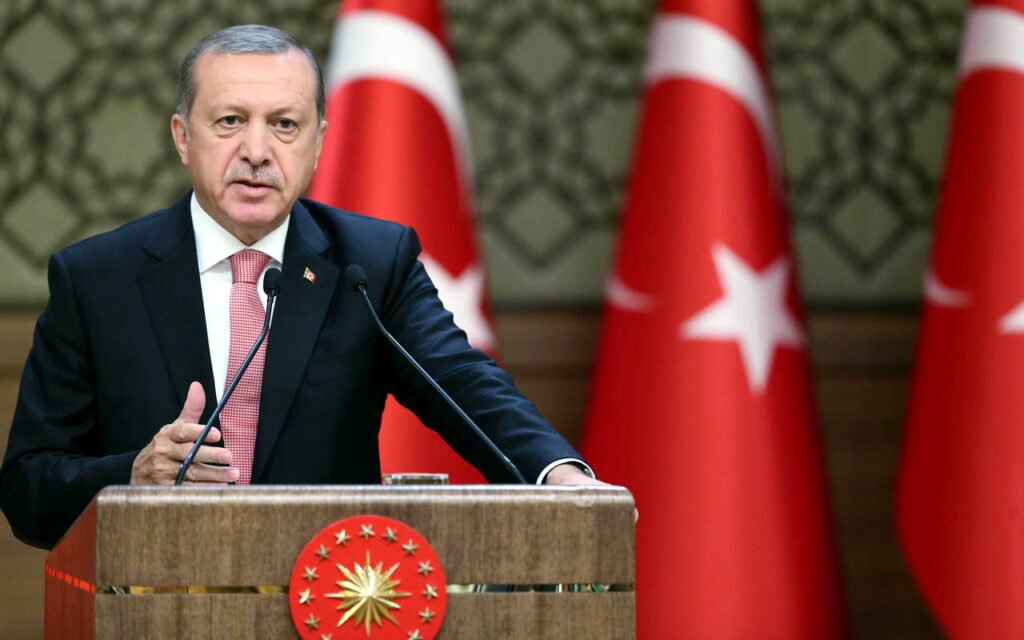
In January, Erdogan changed the head of the state statistics agency. Turkish media reported that he was unhappy with the inflation figures it published.
The opposition and some economists believe that the official figures grossly underestimate the reality.
Last month, Fitch Ratings downgraded Turkey’s debt from BB- to B+ with a negative outlook, citing high inflation and a lack of confidence in policymakers to turn the tide.

Although inflation is rising across the world, thanks in part to easy money policies adopted to cushion the blow of the Covid-19 pandemic, Turkey’s problems are dramatically more acute because of Erdogan’s unorthodox economic approach.
Erdogan rejects the idea that inflation should be fought by hiking the main interest rate, which he believes causes prices to grow even higher — the exact opposite of conventional economic thinking.
