

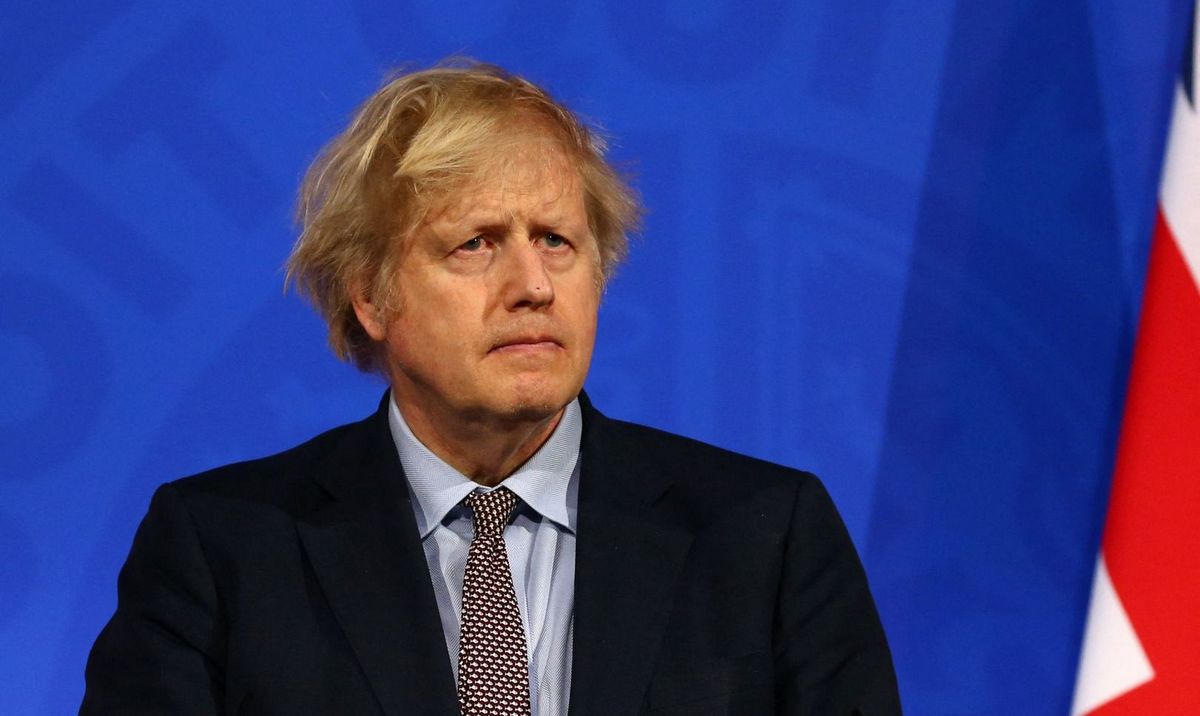

Prime Minister Boris Johnson has signalled the government’s direction and strategy as his Tory Cabinet was dramatically reshuffled with three ministers axed for poor performance and bad publicity.
If one were to follow the developments at Westminster as a soap opera, reshuffles are like season finales – a chance to ruminate on who’s up and who’s down. Most of the time however, they have real consequences for the people whose lives are affected by the departments that cabinet ministers manage.
And so a dramatic day of developments unfurled on Wednesday, as UK prime minister Boris Johnson sacked three cabinet ministers: Gavin Williamson as education secretary, Robert Jenrick as housing minister and Robert Buckland as justice secretary.
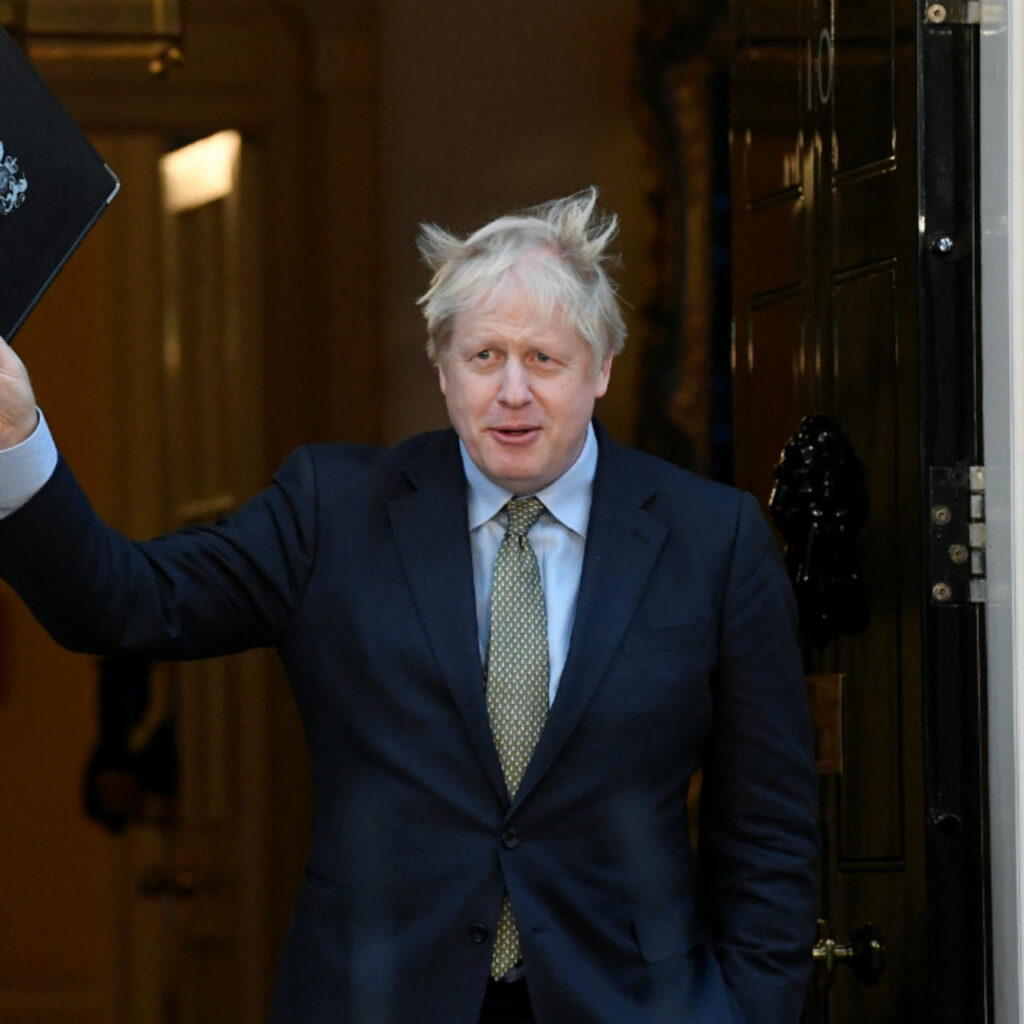
In his biggest shakeup since entering No 10, Johnson also replaced Dominic Raab with Liz Truss, who became the Conservative party’s first-ever female foreign secretary. Keeping the government’s culture war flame alight will be backbencher-turned-culture minister, Nadine Dorries, known for her burst of vitriol on Twitter against the left.
Several high-profile ministers tipped for a move, including home secretary Priti Patel, House of Commons leader Jacob Rees-Mogg, and Welsh secretary Simon Hart, will remain in their posts.
Johnson is now expected to reorder his middle-ranking and junior ministers in a process which could be done before the end of the week.
Following the winter plan for Covid-19 announcement on Tuesday, Johnson’s official spokesperson said the reshuffle was the second part of the plan to relaunch government strategy “with a focus on uniting and levelling up the whole country”.
New faces
Williamson was infamously grilled by prickly media personality Piers Morgan over his “record of failure”, with Morgan taking him to task over his incompetence managing the education sector during the pandemic.
Replacing the gaffe-prone Williamson to head the Department for Education is Nadhim Zahawi, an Iraqi-born entrepreneur who arrived in the UK as a child without knowing any English. Zahawi was promoted after his management of the Covid vaccination programme.
Jenrick oversaw real failings within the housing department – among them the scandal of leaseholders facing bankruptcy, as they continue to occupy buildings covered in flammable cladding. He was also found to have acted unlawfully when he went over the head of the government’s own planning commission to approve a £1 billion ($1.4 billion) development by Richard Desmond, a Tory donor.
Jenrick was replaced by lumbering Michael Gove, who moved from his current job as cabinet office minister, where he was overseeing parts of pandemic planning and food supplies after Brexit. Gove will get the added responsibility of making the government’s “levelling up” agenda – spreading wealth and opportunity around the country – a reality for sceptical Tory voters.
The biggest demotion was Raab’s slide from foreign office to the justice department, where he replaced Buckland. He was often derided as “lazy” and “disinterested” in the role, an impression that wasn’t helped by Raab deciding to continue a holiday at a luxury resort in Crete as Afghanistan fell to the Taliban. Facing allegations that he had been paddle-boarding when Kabul fell, Raab suggested that it wasn’t possible as the sea was closed.
Raab has been replaced by Liz Truss, who was the biggest winner of the reshuffle. Truss was trade secretary for the last two years, and most recently oversaw the removal of any reference to climate targets in a trade deal with Australia.
She is probably most famous for a speech at a Tory conference in 2014, where she said: “We [Britain] import two-thirds of our cheese. That is a disgrace.”
Nadine Dorries was another winner, promoted from junior health minister into her first cabinet-level job as minister for culture – or more appropriately, minister for culture wars.
Best known outside Westminster as a contestant on the reality show “I’m a Celebrity,” Dorries was considered a fringe figure within own party. A cursory glance at her public statements point towards an ideological commitment to importing a Trumpian-style culture war rhetoric into British politics.
Dorries, a longstanding critic of the BBC, will now oversee negotiations with the British state broadcaster. In 2018, she called it “a biased leftwing organisation which is seriously failing in its political representation, from the top down”.
Ryan Shorthouse, CEO of Conservative think tank Bright Blue, said Johnson seemed to be “rewarding those who are good at publicity and removing those that have had overwhelmingly negative or no media for their work.” Courtesy: TRT World
