
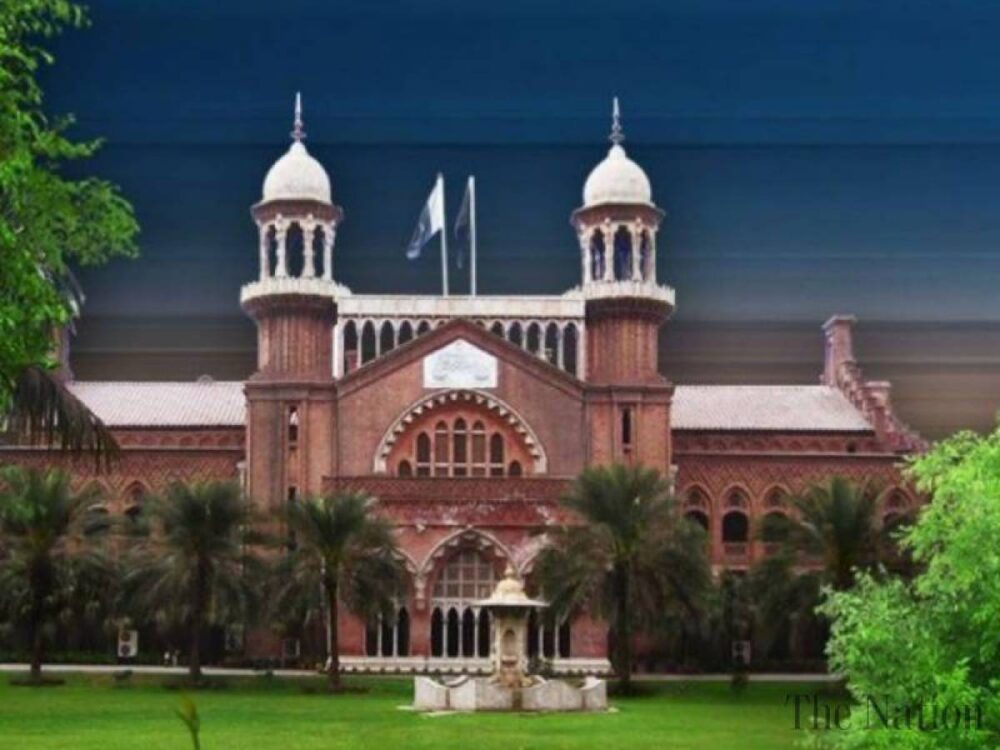

The National Accountability Bureau (NAB) has filed an application to the Federal Constitutional Court to appeal against the latest verdict issued by the Lahore High Court (LHC). This case was against Punjab Chief Minister Maryam Nawaz, regarding the Chaudhry Sugar Mills case. The charges were made against her for money laundering and spending more than her income through the sugar mill.
NAB argued that the high court interfered with the chairman’s authority by questioning the bureau’s decision to close the inquiry against Maryam Nawaz. The bureau requested the constitutional court to declare the LHC’s February 4, 2026, order null and void, emphasizing that NAB has legal authority to withdraw proceedings before filing a reference.
Inquiry Closure and Legal Authority
According to NAB, the Chaudhry Sugar Mills case was private in nature and caused no loss to the national exchequer. The bureau said no evidence of corruption surfaced during the investigation. It further argued that the Lahore High Court misinterpreted Section 31B(1) of the NAB amendments. The law gives the NAB chairman full authority to terminate any proceedings before a reference is filed. NAB maintained that making closure conditional on approval from the accountability court amounts to changing the law, which parliament did not intend.
A request had been made by Maryam Nawaz for the return of her Rs70 million surety bonds deposited at the LHC. The high court had directed NAB to submit its report regarding the closure of the inquiry. Moreover, it had directed the accountability court to approve the return of the amount within one month.
However,NAB had replied that “once the chairman had withdrawn the case under Section 31B(1) of the NAB Ordinance on April 3, 2024, it was not bound to obtain any approval for the withdrawal of the case.” It had been criticized for not informing the attorney general’s office and for not having the jurisdiction to pass the order suo motu.
Therefore, this petition filed by NAB reveals that they have consistently taken the stance as the law grants the chairman absolute powers to close investigations at the pre-reference stage. What remains to be seen by the constitutional court in this case is whether the high court had overstepped its authority in this case.

