

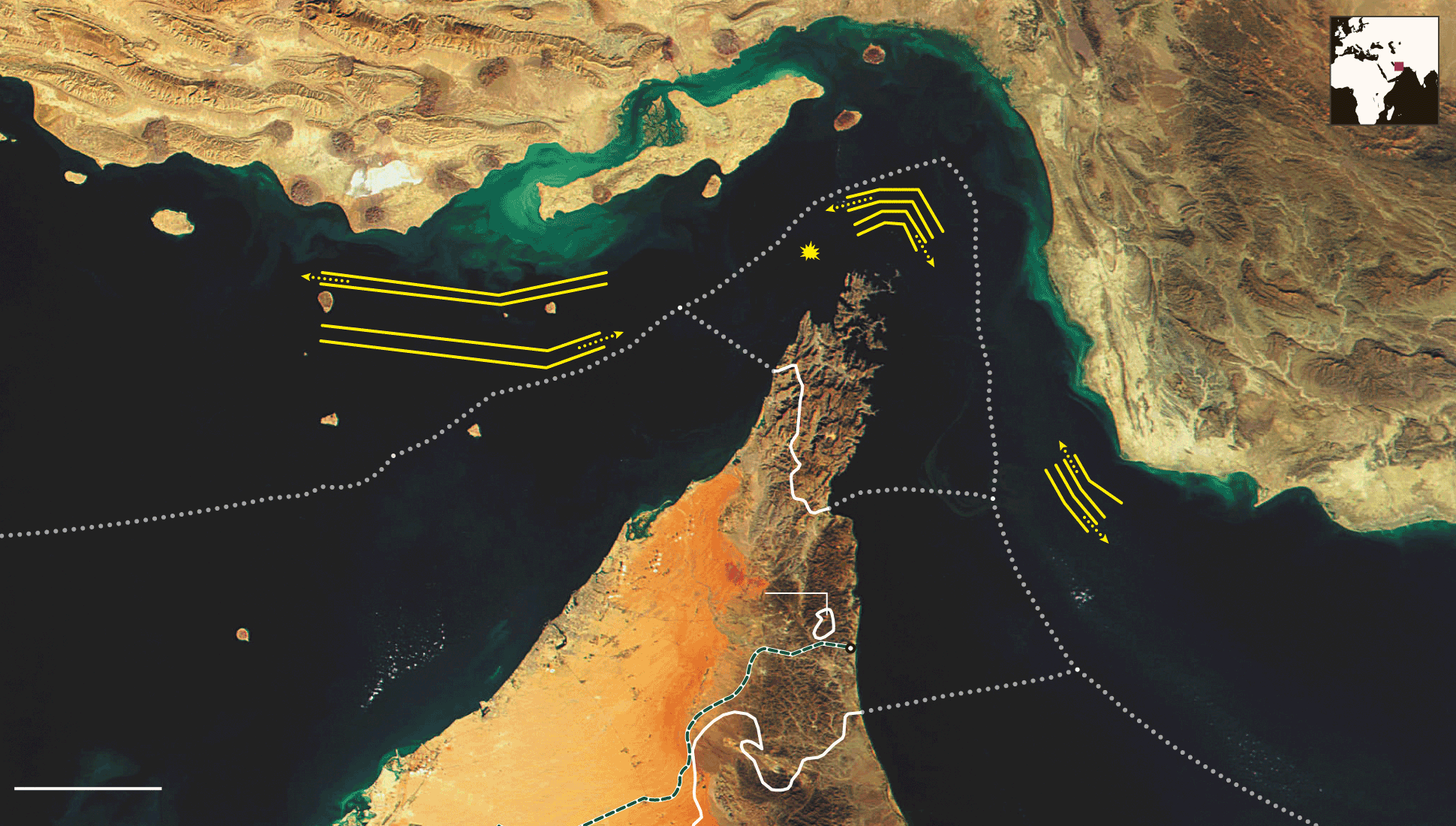

Recent reports from investigative journalists indicate that the administration in the U.S. has misjudged the retaliatory potential of Iran in the planning stages for the latest military strikes. The reports indicate that the senior administration officials in Washington failed to take into consideration that Iran would successfully close the Strait of Hormuz.
Additionally, the latest actions by Iran have raised alarm bells worldwide over issues that affect economic and energy security. According to reports from the U.S. Department of Defense and the National Security Council, the administration failed to accurately judge the response from Iran.
Therefore, the administration failed to consider the worst-case scenario in the planning stages for the latest military strikes. The waterway is the most important passage for international oil and liquefied natural gas. Any disruptions in the region will have a quick impact on international energy supplies and prices.
However, the reports indicate that the decision-making process involved a remarkably small circle of officials. The reports indicate that the administration ignored all institutional knowledge and economic forecasts. The key officials from the administration attended the planning sessions. The administration avoided discussing the long-term effects of a complete blockade.
Escalating Maritime Risks and Military Challenges
The Pentagon currently views escorting commercial tankers through the strait as an extremely high-risk operation. While the shipping industry has requested direct military protection, the U.S. military has not yet received formal orders to begin these missions. Officials warn that vessels face a gauntlet of threats, including sophisticated drones, missile batteries, and naval mines. This tension follows recent public remarks by Iran’s new Supreme Leader, Mojtaba Khamenei, who characterized the strait as an effective tool for regional pressure.
Global Market Stability and Emergency Measures
The international energy leaders and diplomatic circles are now calling for a timely solution that ensures safety for the crew and stability in the markets. In response to this impending crunch, the US Treasury has announced a temporary waiver of sanctions on Russian oil shipments already at sea for 30 days. The White House is also considering suspending the Jones Act to ease the transport of energy products between US ports. Yet, it is believed that an increase in oil prices will continue as long as this waterway is disputed.
