

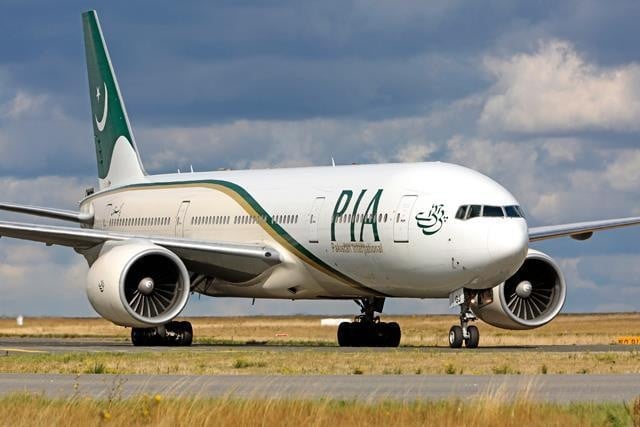

Pakistan’s aviation sector is facing fresh pressure as rising fuel prices force airlines to increase travel costs. Pakistan International Airlines (PIA) has raised fuel surcharges after the ongoing Gulf crisis disrupted regional air routes.
Airline officials confirmed that operational costs surged following instability in the Middle East. As a result, airlines operating from Pakistan have started adjusting fares to manage increasing expenses.
The situation has already affected flight schedules and passenger travel plans across several routes.
Fuel Costs Surge by 34 Percent
According to airline representatives, fuel expenses have increased significantly during the crisis.PIA reported a 34 percent rise in fuel costs, largely driven by regional conflict and airspace disruptions. Consequently, the airline introduced higher fuel surcharges on both domestic and international routes.
Domestic passengers will see an additional $20 fuel surcharge added to tickets. Meanwhile, international travellers may pay up to $100 extra, depending on their destination.
These adjustments aim to offset operational losses caused by higher fuel consumption and longer flight paths.
Flight Cancellations Add to Operational Challenges
Air travel disruptions have intensified in recent days. Over the past twelve days, PIA cancelled 165 flights due to operational constraints.
Flights connected to Gulf destinations represent a significant portion of the airline’s network. Approximately 34 percent of PIA’s total flights operate toward Gulf countries.
Therefore, instability in the region directly affects airline scheduling and profitability.
Airspace restrictions have forced airlines to reroute aircraft. Longer routes increase fuel consumption and operating time, further raising costs.
Other Airlines Also Increase Fares
PIA is not alone in responding to rising expenses. Other airlines operating in Pakistan have also increased fares.
Jet fuel prices continue to climb as regional tensions disrupt supply routes. Consequently, airlines must adjust pricing structures to sustain operations.
Passengers travelling internationally may notice higher ticket prices across multiple carriers.
Industry observers note that airlines remain highly sensitive to fuel price fluctuations. Even small increases can significantly affect operating margins.
Heavy Reliance on Middle East Routes
Pakistani airlines maintain strong connectivity with the Middle East. Most international flights operated by local carriers serve Gulf destinations. Because of this reliance, regional instability creates immediate operational risks.
Airspace closures and security concerns force airlines to adapt quickly. Therefore, scheduling flexibility and cost management become essential during crises.
The current situation highlights how geopolitical developments can influence aviation economics.
PIA’s Recovery Efforts Continue
Despite recent disruptions, PIA has been working to rebuild its international operations. The airline recently resumed flights to Europe and the United Kingdom after a year-long safety-related suspension ended last year. These restored routes marked an important step toward financial recovery and international expansion.
However, rising fuel costs now present a new challenge for the airline’s recovery plans.
Passengers Advised to Monitor Travel Updates
Airlines continue reviewing flight schedules as the regional situation evolves.
Passengers are encouraged to check flight updates regularly before travelling. Flexible travel planning may help reduce inconvenience caused by sudden schedule changes.
Although airlines aim to maintain operations, ongoing uncertainty may continue affecting travel costs and availability.
Ultimately, fuel prices and regional stability will determine how long surcharge adjustments remain in place.
