

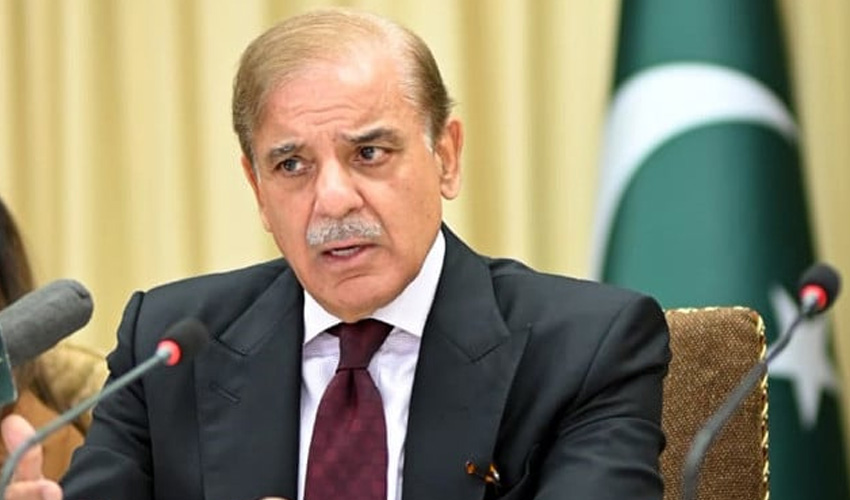

Prime Minister Shehbaz Sharif has announced wide-ranging austerity measures to address the ongoing global fuel crisis. The plan aims to conserve energy and stabilize Pakistan’s economy.
The announcement follows rising global tensions involving the United States, Israel, and Iran. Consequently, disruptions in oil supply routes have affected economies worldwide.
Pakistan has also faced fuel supply constraints due to the closure of the Strait of Hormuz. This route remains vital for global energy shipments.
As international supply chains slowed, fuel prices increased sharply across global markets. Therefore, Pakistan recently raised petrol and diesel prices by 20 percent.
Prime Minister Warns of Continuing Economic Pressure
Addressing the nation, the prime minister said the region remains deeply affected by conflict. He emphasized that Pakistan continues diplomatic efforts to support de-escalation.
He explained that international crude oil prices jumped from around $60 to over $100 per barrel. As a result, further economic pressure may emerge.
Sharif acknowledged that increasing fuel prices was a difficult decision. However, he said economic realities left limited alternatives.
He assured citizens that the government would attempt to minimize public hardship despite rising global costs.
Regional Security and Diplomatic Engagements
The prime minister highlighted ongoing security challenges along Pakistan’s western borders. He stated that armed forces continue counterterrorism operations effectively.
He added that military efforts remain coordinated under Field Marshal Asim Munir’s leadership.
Sharif also condemned attacks on Iran and expressed concern over regional instability. At the same time, he criticized retaliatory strikes targeting friendly Gulf countries.
He revealed that discussions had taken place with leaders of several allied nations. Pakistan, he said, stands in solidarity with partner countries during this crisis.
Fuel Conservation Measures Introduced
The government has introduced strict fuel-saving policies across public institutions. Fuel allocations for government vehicles will decrease by 50 percent for two months.
Additionally, 60 percent of official vehicles will remain off the roads during this period. These steps aim to reduce unnecessary fuel consumption.
All government departments will also reduce expenditures by 20 percent. Authorities believe spending discipline will strengthen economic resilience.
Foreign visits by ministers and senior officials have been banned unless essential for national interests. Online meetings will replace most official travel.
Salary Cuts and Administrative Reforms
Members of the federal cabinet, advisers, and special assistants will not draw salaries for two months. Meanwhile, parliamentarians will face a 25 percent salary reduction.
Grade-20 and above officers earning over Rs300,000 monthly will contribute two days’ salary toward relief efforts.
The government has also banned official dinners and iftar gatherings to reduce unnecessary spending. Furthermore, seminars will take place only at government venues.
Four-Day Workweek and Remote Work Policy
To conserve energy, government offices will operate four days a week. However, banks will remain exempt from this arrangement.
Half of employees in public and private sectors will work from home, except essential service staff. This measure aims to lower fuel consumption nationwide.
Educational institutions will close for two weeks starting at the end of the current week. Meanwhile, higher education institutions will shift to online classes.
Warning Against Hoarding and Call for Unity
The prime minister warned traders against hoarding essential commodities during the crisis. Authorities will take strict action against market manipulation.
He stressed that global power dynamics are changing rapidly amid ongoing conflicts. Therefore, national unity remains essential during uncertain times.
Sharif urged citizens to demonstrate responsibility and cooperation. According to him, collective discipline will help Pakistan navigate the evolving economic challenges.
