

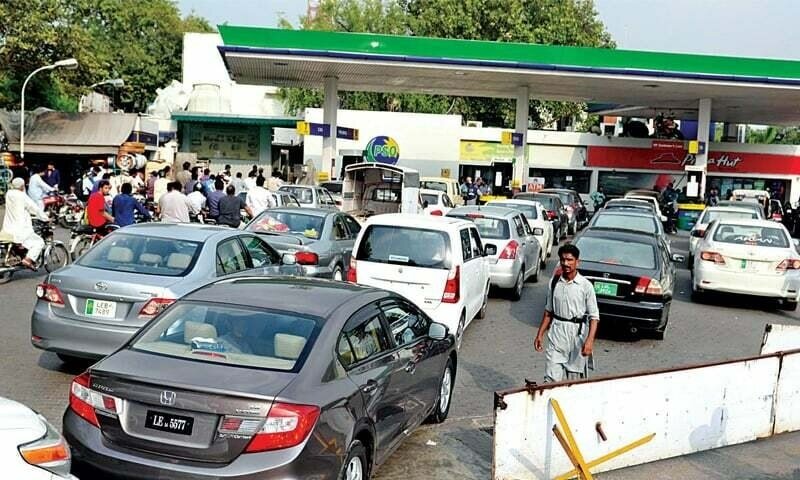

The government has announced a nationwide austerity plan aimed at conserving fuel and reducing public spending. The decision follows rising global oil prices triggered by ongoing conflict in the Middle East.
Prime Minister Shehbaz Sharif unveiled the measures while addressing the nation. He emphasized that regional instability has disrupted energy supplies and increased economic pressure. Therefore, authorities introduced immediate steps to manage fuel consumption and stabilize resources.
The announcement came shortly after petroleum prices increased significantly due to global supply disruptions. As a result, transportation and operational costs have risen across the country.
The government stated that diplomatic efforts continue to reduce regional tensions. Meanwhile, domestic policies now focus on minimizing fuel usage and limiting unnecessary expenditures.
Major Cuts in Government Fuel Usage
One of the central components of the plan involves reducing fuel consumption within government departments. Authorities approved a 50 percent reduction in fuel allowances for official departments for two months.
Additionally, only 40 percent of government vehicles will remain operational. The remaining vehicles will stay off roads to reduce fuel demand.
Officials believe these steps will immediately lower fuel usage across administrative institutions. Consequently, departments must adjust operational routines to comply with the policy.
Salary Reductions and Financial Restraint Measures
The austerity package also introduces financial sacrifices among public officeholders. Federal cabinet members, advisers, and special assistants will not draw salaries for two months.
Members of parliament will face a 25 percent salary reduction during the same period. Furthermore, Grade 20 officers and above will experience a two-day salary deduction.
The government also directed all departments to reduce overall expenditures by 20 percent. These reductions aim to demonstrate fiscal discipline during a challenging economic period.
Restrictions on Official Activities and Purchases
Several administrative restrictions form another key part of the policy. Authorities imposed a complete ban on foreign visits by federal and provincial ministers as well as advisers.
Moreover, government offices cannot purchase new vehicles or air conditioners during the austerity period. Officials also banned official dinners and iftar gatherings for two months.
These decisions seek to limit non-essential spending while encouraging responsible use of public funds.
Work-From-Home Policy and Reduced Workweek
To further conserve fuel, workplaces across both public and private sectors will adopt new operational arrangements. Half of the workforce will work remotely during the policy period.
Offices will operate only four days each week. However, banks will remain exempt from this schedule due to essential financial services.
Authorities expect reduced commuting to lower fuel consumption significantly. At the same time, remote work aims to maintain productivity while saving energy resources.
Temporary School Closures Announced
The plan also includes temporary educational adjustments. All schools will close for two weeks starting at the end of the current week.
Officials believe this step will reduce transportation fuel usage linked to daily school operations. Consequently, overall energy demand may decrease during the closure period.
Austerity Plan Aims to Manage Economic Pressure
The government described the measures as necessary responses to extraordinary global circumstances. Rising fuel prices and regional instability have created economic challenges requiring immediate action.
Through coordinated conservation efforts, authorities hope to reduce fuel demand and limit financial strain. Although the measures introduce temporary inconvenience, officials believe they will support national stability during uncertain times.
As the situation evolves, the government may review or adjust policies depending on global energy conditions and domestic needs.
