

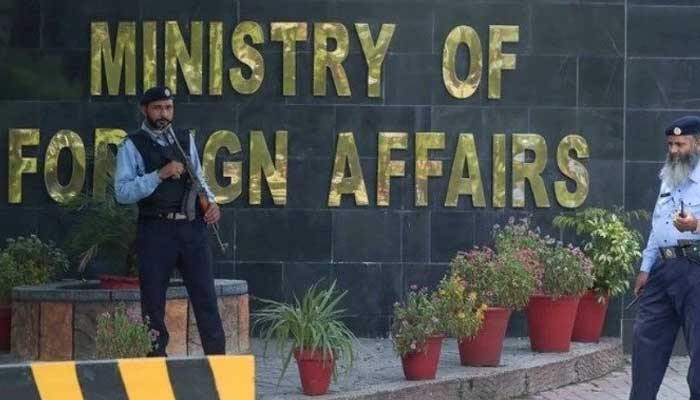

Pakistan has expressed serious concerns over a uranium supply agreement between India and Canada, citing potential risks to regional stability and global nuclear non-proliferation norms.
Civil Nuclear Cooperation Sparks Strategic Concerns
The uranium supply arrangement was finalized during Canadian Prime Minister Mark Carney’s visit to New Delhi, where he met Indian Prime Minister Narendra Modi. The agreement includes a long-term supply of uranium and collaboration on small modular reactors and advanced nuclear technologies.
Pakistan warned that the deal could deepen strategic imbalances in South Asia, as India has not placed all its civilian nuclear facilities under International Atomic Energy Agency (IAEA) safeguards. This raises questions about transparency and the enforceability of non-proliferation assurances.
Historical Context and Nuclear Risks
The Foreign Office highlighted that India’s 1974 nuclear test had utilized plutonium produced in a Canadian-supplied reactor, an event that led to the creation of the Nuclear Suppliers Group. Islamabad considers it ironic that India, which previously prompted global export controls, is now receiving preferential access through selective agreements.
Officials emphasized that assured external uranium supplies could free India’s domestic reserves for military use, potentially accelerating its fissile material production and nuclear arsenal expansion. Such developments may compromise regional stability and undermine international non-proliferation efforts.
Economic and Strategic Cooperation Between India and Canada
Alongside nuclear collaboration, India and Canada aim to strengthen trade relations, with plans to conclude a free trade agreement by the end of 2026. The countries also set a target to raise bilateral trade to $50 billion by 2030, up from nearly $9 billion in 2024‑25.
While both nations described the nuclear cooperation as supporting India’s civil energy program and clean power initiatives, Pakistan’s stance remains cautious. Officials insist that civil nuclear agreements must follow a non-discriminatory, criteria-based approach, particularly for nations outside the Treaty on the Non‑Proliferation of Nuclear Weapons.
Pakistan’s Position on Non-Discriminatory Nuclear Framework
The Foreign Office reiterated that selective exceptions weaken global non-proliferation credibility. Islamabad urged that nuclear cooperation should ensure safeguards, transparency, and international inspection to prevent misuse of civilian nuclear materials for military purposes.
Officials concluded that without clear safeguards and enforceable non-proliferation measures, the uranium deal could undermine regional and international peace and security.
