

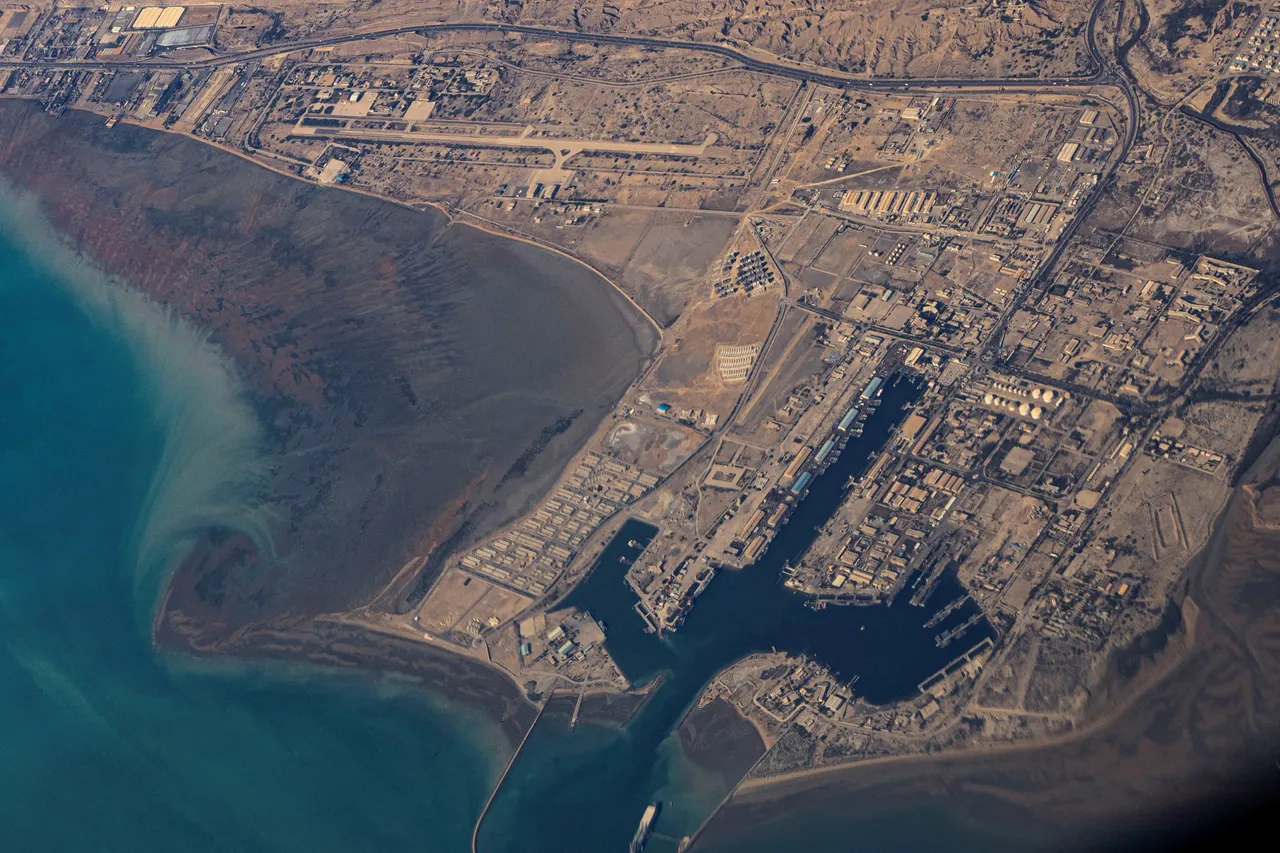

Iran has warned it will attack any vessel that tries to pass through the Strait of Hormuz. As a result, tensions have risen sharply across the Middle East. Ebrahim Jabari, a senior adviser to the Islamic Revolutionary Guard Corps, said authorities have “closed” the key waterway.
“The strait is closed. If anyone tries to pass, our forces will set those ships ablaze,” Jabari said, according to state media.
The warning followed US and Israeli air strikes that reportedly killed Iran’s Supreme Leader, Ali Khamenei, along with other senior officials. In response, Tehran signaled a broader retaliation campaign. Officials said they would target energy routes and oil facilities across the region.
Why the Strait of Hormuz Matters
The Strait of Hormuz lies between Iran and Oman. It carries nearly 20 percent of global oil shipments. Therefore, even small disruptions can shake energy markets worldwide.
Moreover, the waterway supports major natural gas exports. Because of this, traders watch every military move in the area. If Iran blocks traffic, supply chains could suffer immediate strain.
Jabari also threatened to strike oil pipelines and halt exports. Consequently, oil prices could climb sharply. He predicted prices might reach $200 per barrel in the coming days.
Energy Markets React Quickly
Energy markets responded without delay. European natural gas prices surged almost 50 percent. Meanwhile, Asian gas benchmarks rose about 40 percent.
In addition, QatarEnergy halted liquefied natural gas production after reported attacks on its facilities. This decision tightened supply further. As uncertainty grows, buyers fear longer-term shortages.
Regional and Global Response
At the same time, Saudi Arabia reported a drone attack on the Ras Tanura refinery. The site processes more than 500,000 barrels of crude each day. However, air defenses intercepted the drones before they caused major damage.
In Washington, US Secretary of State Marco Rubio said officials would act to stabilize markets. He added that the US had anticipated energy disruptions. Therefore, authorities will introduce measures to limit economic fallout.
Overall, global leaders are urging restraint. Nevertheless, the threat to one of the world’s most vital shipping lanes has already unsettled markets and raised fears of wider conflict.
