

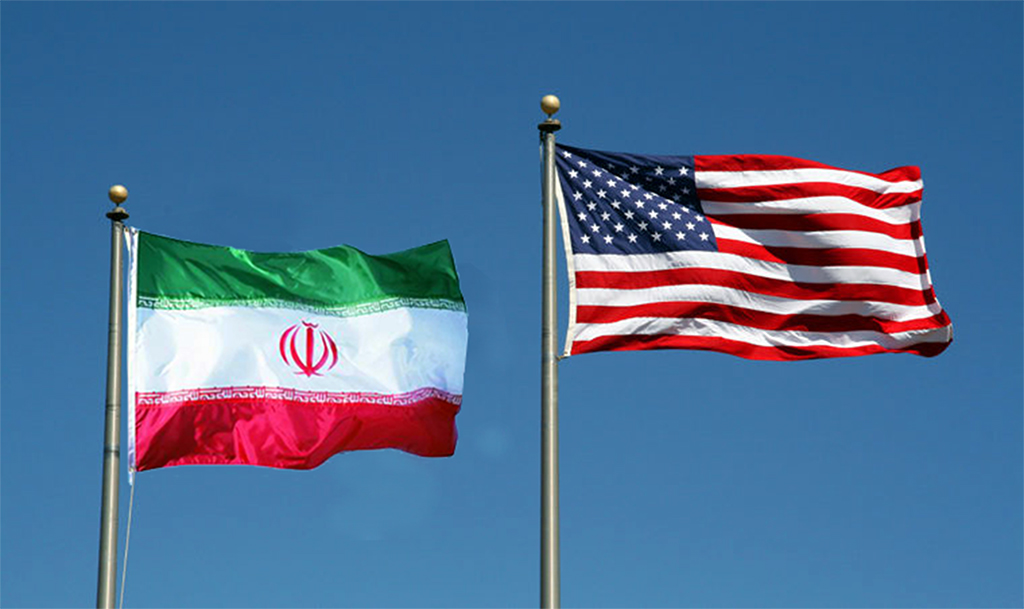

US defence officials have informed Congress that intelligence agencies found no indication Iran planned to attack American forces first. The disclosure emerged during closed-door briefings as the conflict between the United States, Israel, and Iran intensified.
Pentagon Briefing Reveals Key Intelligence Assessment
Senior administration officials briefed congressional staff from both political parties on ongoing military operations. The session lasted more than 90 minutes and focused on the expanding conflict.
During the briefing, officials acknowledged that intelligence agencies detected no confirmed Iranian plan to launch a first strike against US forces. However, they stressed that Iran’s missile capabilities and regional proxy networks still posed serious risks to American interests.
This assessment contrasts with earlier public statements suggesting potential preemptive threats against US troops in the Middle East.
Military Operations Continue Across Iran
US and Israeli forces launched large-scale strikes targeting Iranian military infrastructure. Officials stated that operations aimed to weaken missile capabilities and limit future threats.
Military sources said more than 1,000 targets inside Iran have been struck since combat operations began. These strikes included attacks on naval assets, missile facilities, and defence installations.
B-2 stealth bombers reportedly targeted hardened underground missile sites using heavy bunker-penetrating bombs. Meanwhile, naval forces conducted coordinated operations in regional waters.
Trump Defends Decision to Launch Strikes
President Donald Trump said the campaign seeks to prevent Iran from acquiring nuclear weapons and reduce regional threats. He argued that waiting could have exposed American forces to future attacks.
Trump also called on Iranian citizens to challenge their leadership, expressing hopes for political change after the conflict. Officials indicated that military operations could continue for several weeks depending on battlefield developments.
Political Debate Intensifies in Washington
Despite official explanations, lawmakers have raised concerns about the justification for the war. Critics described the conflict as a “war of choice” and questioned the decision to abandon diplomatic negotiations.
Some policymakers argued that intelligence findings did not support claims of an imminent Iranian attack on the United States. Others warned that escalation could deepen regional instability.
American Casualties Confirmed
The US military confirmed its first casualties since the conflict began. Three American service members were killed, while five others suffered serious injuries. Several additional troops experienced minor wounds and concussions.
Officials acknowledged that casualties were expected during large-scale combat operations. Military leadership continues to monitor troop safety across regional bases.
Public Opinion Remains Divided
Recent polling indicates mixed public reaction to the military campaign. A significant portion of Americans expressed opposition, while others supported the strikes. Many respondents remained undecided as the situation continues to evolve.
As military operations expand, questions surrounding strategy, intelligence assessments, and long-term consequences continue to shape political debate in Washington.
