

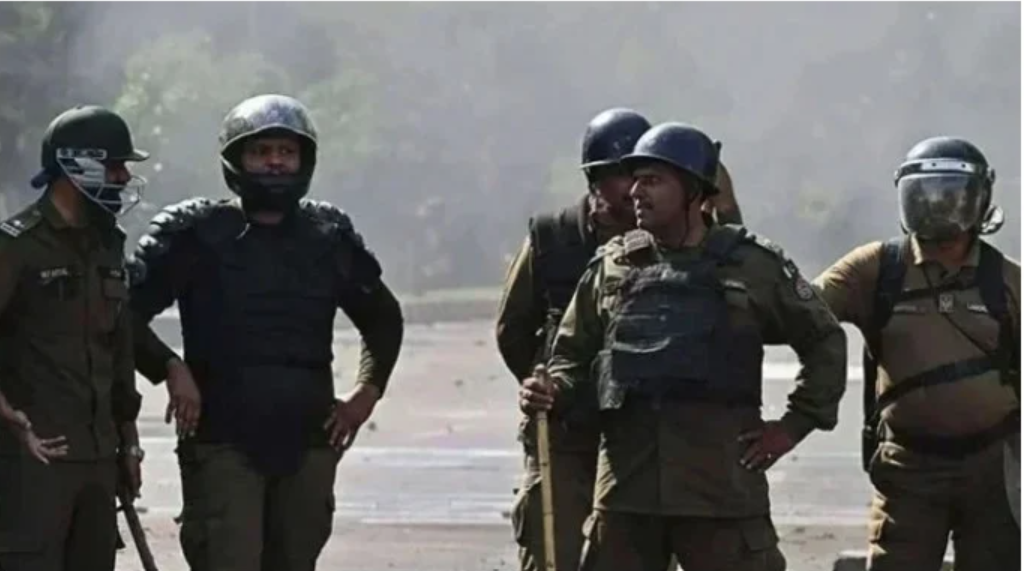

The Human Rights Commission of Pakistan has raised serious concerns over alleged staged police encounters in Punjab. In its recent fact-finding report, the commission questioned the legality and transparency of operations conducted by the Punjab Crime Control Department.
670 Encounters Documented in 2025
According to the report, the commission documented at least 670 encounters led by the Crime Control Department over eight months in 2025. These operations resulted in the deaths of 924 suspects. In contrast, only two police officers lost their lives during the same period.
The report highlighted the extreme casualty imbalance. It noted that authorities conducted more than two fatal encounters daily on average. Moreover, similar operational patterns appeared across multiple districts. Therefore, the commission suggested that these incidents reflected an institutionalized practice rather than isolated misconduct.
Rule of Law and Constitutional Concerns
The commission stated that staged encounters fundamentally undermine the rule of law. It also warned that such practices weaken constitutional protections in the province. Consequently, the findings raised questions about accountability and due process.
The mission concluded that many operations failed to comply with the UN Basic Principles on the Use of Force and Firearms by Law Enforcement Officials. These principles require that lethal force must remain absolutely necessary and proportionate. Furthermore, they demand accountability for violations.
Call for Judicial Inquiry and Reforms
In light of these findings, the commission called for an urgent high-level judicial inquiry into the reported deaths. It emphasized the need for independent scrutiny to ensure transparency.
Additionally, the report recommended an immediate province-wide moratorium on encounter operations. This pause, it argued, should remain in place until comprehensive legal safeguards and independent oversight mechanisms are established.
The commission also proposed that the Federal Investigation Agency investigate all encounter-related deaths under the supervision of the National Commission for Human Rights. Furthermore, it suggested establishing an independent civilian police oversight commission. It also recommended mandatory compensation for families of individuals killed in encounter operations.
Official Response from Crime Control Department
In response, a spokesperson for the Crime Control Department stated that the department operates strictly in accordance with the law. The spokesperson maintained that the operations target criminals and aim to maintain law and order across Punjab.
However, the commission insisted that transparency and accountability remain essential. It argued that independent investigations would help restore public trust.
Growing Debate Over Policing Practices
The findings have intensified debate over policing methods in Punjab. On one hand, authorities emphasize public safety and crime control. On the other hand, rights advocates stress due process and constitutional guarantees.
Therefore, the issue now centers on balancing security concerns with fundamental rights. The commission’s report has placed this balance under renewed scrutiny.
As calls for judicial review grow louder, the demand for reform continues to shape the conversation. The coming months may determine whether systemic changes follow these serious allegations.
