

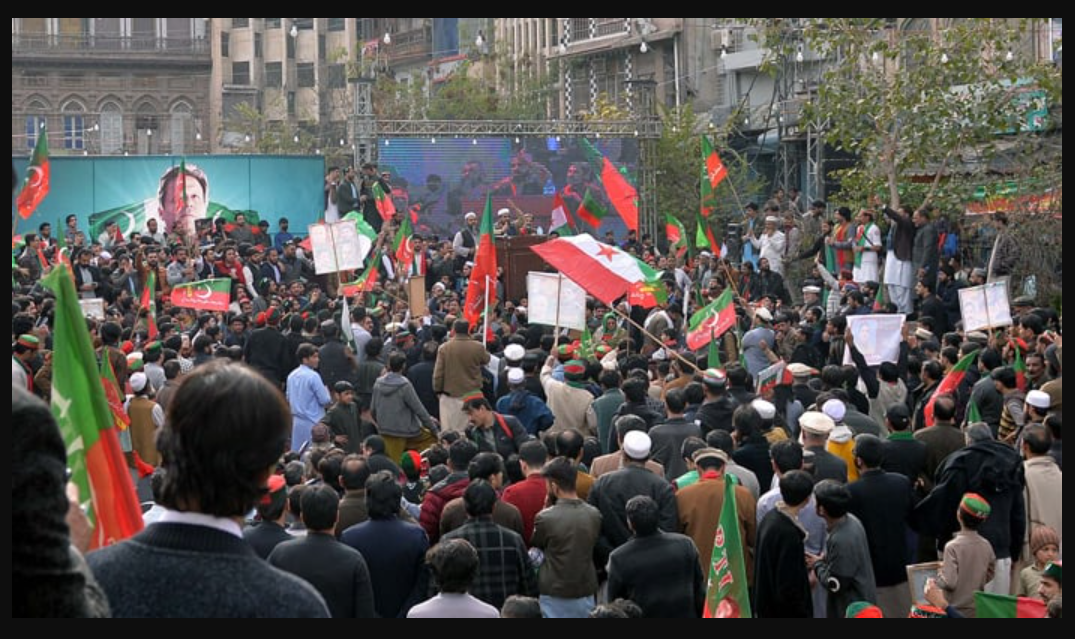

The nationwide wheel-jam and shutter-down strike failed to disrupt daily life across most of Pakistan. Markets remained open, transport services continued, and routine activity stayed intact. As a result, public participation stayed minimal despite political mobilisation attempts. Moreover, citizens appeared unwilling to support shutdowns that affect livelihoods.
The strike coincided with the second anniversary of the February 8, 2024 general election. Opposition parties claimed electoral irregularities and urged nationwide closures. However, the response showed limited public alignment with the call. Consequently, daily life carried on without major interruption.
Government Terms Strike a Complete Failure
Information Minister Attaullah Tarar said the strike call failed completely due to public rejection. He noted that citizens ignored the appeal even on a weekly holiday. According to him, commercial areas remained busy and economic activity continued nationwide.
He stated that people were exhausted by politics based on unrest and division. Additionally, he remarked that the wheel-jam strike itself became ineffective. The government described the response as a clear demand for stability and continuity.
Minister Amir Muqam also rejected the opposition’s narrative. He said citizens refused to support actions that harm economic recovery. Furthermore, he stressed that repeated shutdown calls damage public confidence and livelihoods.
Islamabad and Punjab Remain Fully Operational
In Islamabad and Rawalpindi, normal life continued throughout the day. Markets, business centres, and transport services operated without disruption. Traffic moved smoothly, while security remained visible around sensitive locations.
Only a brief protest attempt occurred near Faisal Masjid. The gathering dispersed peacefully without arrests. Authorities reported no significant law-and-order incidents during the day.
Across Punjab, most cities rejected the shutdown call. Traders kept shops open and opposed political closures. Many citizens cited economic pressure as a key reason for rejecting the strike.
Mixed Response Observed in Sindh
Sindh experienced a mixed response to the strike call. Some areas saw partial closures and reduced traffic. However, complete shutdowns remained limited.
Several districts reported open markets and continued transport movement. Meanwhile, opposition rallies took place in select cities. Protesters raised concerns over election outcomes and governance issues.
Despite these activities, overall public participation stayed inconsistent. As a result, routine life continued across most districts.
Limited Impact Across Khyber Pakhtunkhwa
Khyber Pakhtunkhwa also saw limited effects from the strike. Most markets and transport services remained functional. Major cities largely ignored the shutdown appeal.
Small rallies occurred in a few districts, while brief road blockages were reported. Police maintained order through heightened deployment. Consequently, isolated incidents did not escalate.
Traders opposed closures due to financial losses. Citizens emphasized the need for uninterrupted economic activity.
Balochistan Sees Wider Disruption
Balochistan witnessed relatively stronger strike observance. Several cities reported closed markets and slowed transport. Daily routines faced disruption in multiple districts.
However, authorities reported no major violence. Law-enforcement agencies maintained control throughout the day. Political activity increased due to the election anniversary.
Public Preference Shifts Toward Stability
Across Pakistan, public behaviour reflected a clear preference for stability. Businesses prioritised continuity over confrontation. Citizens increasingly rejected protest-driven shutdowns.
Political observers note a shift in public expectations. People now demand economic relief and governance improvements. Consequently, nationwide shutdown calls appear less effective.
The February 8 strike highlighted the gap between political messaging and public response. It also exposed challenges faced by opposition alliances in mobilising broad support.
