


Karachi industrialists and financial leaders have proposed an innovative solar energy framework aimed at helping low-income and deserving households. The initiative seeks to reduce government subsidy burdens while easing pressure on industrial electricity tariffs.
Social Net-Metering Unit Donation Framework (SNUDA)
The proposal, known as the Social Net-Metering Unit Donation Framework (SNUDA), was initially developed by business leader and former Karachi Stock Exchange managing director Moin M. Fudda. The Korangi Association of Trade and Industry now champions it as a model to combine solar energy generation with social welfare.
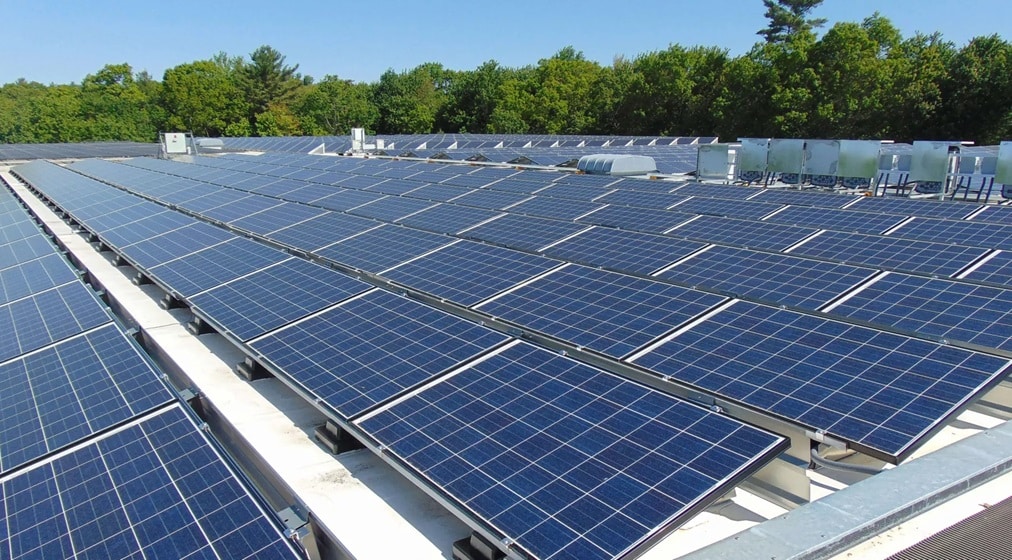
Under SNUDA, commercial and industrial solar installations that produce surplus electricity would channel the excess into a charity-oriented pool. This energy would then be allocated to low-income households, leveraging the existing net-metering infrastructure. Importantly, the system allows energy sharing without imposing additional costs on the national grid.
Economic and Social Benefits
Proponents argue that the model could reduce the government’s subsidy obligations. It may also lower industrial tariffs by alleviating cross-subsidy pressures while improving revenue recovery for power companies. Furthermore, diverting surplus solar power to social causes can cut distribution losses and optimize energy utilization.
Industrial leaders highlight that the framework aligns economic efficiency with social impact. By converting excess clean energy into a social asset, the approach addresses rising energy costs while providing tangible benefits to underprivileged communities.
Growing Solar Adoption in Pakistan
The concept comes at a time when rooftop and commercial solar installations in Pakistan are increasing. Industries are seeking affordable alternatives to costly conventional electricity, and solar power already represents a growing share of the country’s distributed energy generation.
Supporters of SNUDA emphasize that it complements existing energy policies while promoting environmental sustainability. The model encourages industrial consumers to contribute to energy equity, transforming unused renewable power into a meaningful social resource.
Future Prospects
The proposed framework demonstrates how public-private collaboration can integrate clean energy production with social responsibility. By leveraging industrial solar infrastructure for charitable purposes, SNUDA offers a scalable solution to meet both economic and social objectives in Pakistan’s energy sector.
If adopted widely, the framework could set a precedent for turning surplus solar energy into a social utility, making renewable energy a tool for inclusive development while promoting sustainable industrial practices.
