

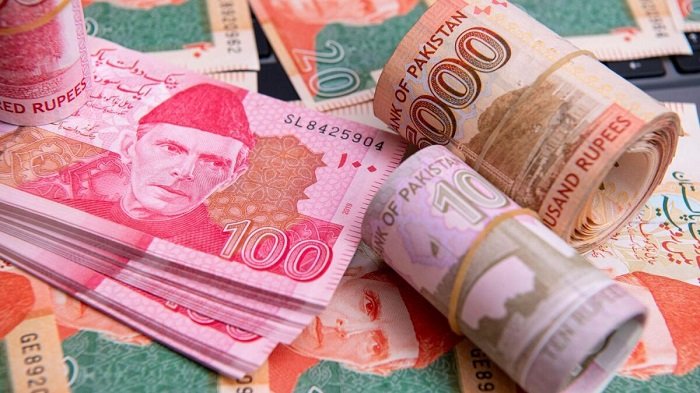

LAHORE: The Punjab government has approved a Rs 47 billion Ramadan Nigehban Package to provide financial relief to deserving families during the holy month. Chief Minister Maryam Nawaz chaired a high-level meeting to review Ramadan arrangements and other public welfare initiatives, during which authorities finalised the relief package.
Under the scheme, the provincial government will distribute Rs 10,000 to 4.2 million families across Punjab. To facilitate transparent and efficient disbursement, officials will issue more than two million Nigehban Cards. These cards will enable beneficiaries to receive cash assistance and purchase essential food items during Ramadan.
Moreover, the government has increased the Ramadan assistance for existing ration card holders. Beneficiaries who previously received Rs3,000 per month will now receive Rs10,000 specifically for Ramadan, aiming to ease the financial burden caused by rising living costs during the fasting month.
Implementation and monitoring measures
Meanwhile, authorities have outlined a detailed implementation plan to ensure smooth execution of the programme. Beneficiaries will be able to withdraw cash through Bank of Punjab branchless banking agents as well as ATMs connected to the One-Link network. In addition, the government will establish 136 Nigehban Card activation centres across the province to support cardholders and resolve technical issues.
Furthermore, the Punjab government will launch a dedicated Ramadan Nigehban Dashboard. This digital platform will help officials monitor distribution, verify beneficiaries, and address complaints in real time. Officials said the dashboard would enhance transparency and prevent misuse of funds.
During the meeting, Chief Minister Maryam Nawaz stressed the importance of timely and dignified assistance for low-income households. She directed all relevant departments to coordinate closely and ensure that relief reaches families before the start of Ramadan.
The initiative reflects the government’s broader commitment to social protection and public welfare during religious occasions, particularly for vulnerable segments of society.
