


Pakistan has firmly rejected recent remarks made by India’s National Security Adviser Ajit Doval, describing them as politically charged and diplomatically irresponsible. The response came after comments linked national progress with what was described as “avenging history.”
The Ministry of Foreign Affairs addressed the issue after questions emerged about the Indian official’s public speech. Officials stated that such language reflects hostility rather than constructive regional engagement. They stressed that responsible diplomacy requires restraint and maturity.
Foreign Office Condemns Inflammatory Language
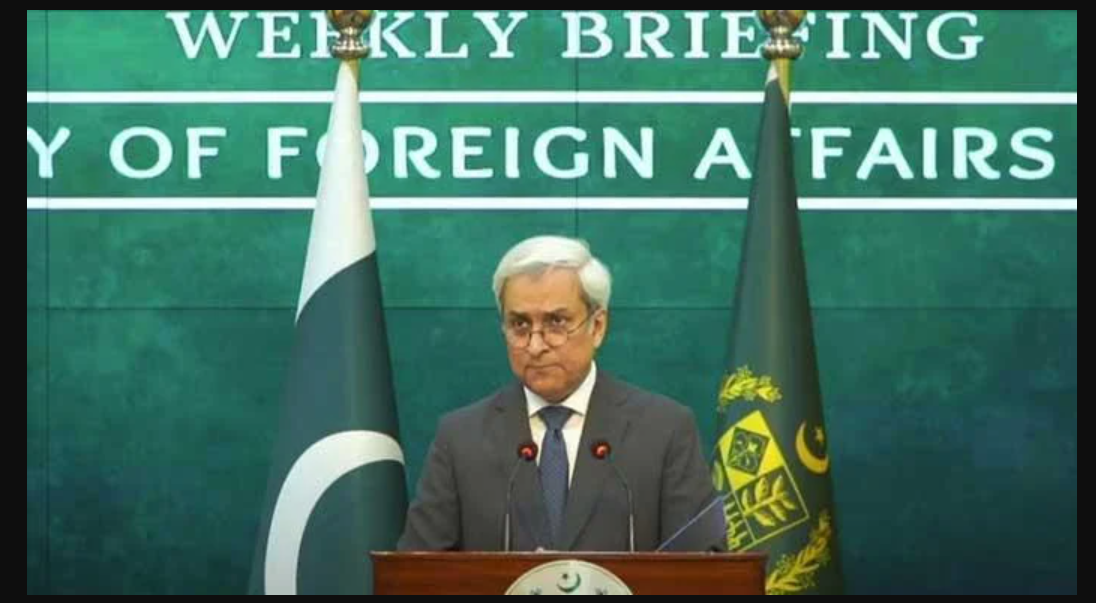
Foreign Office spokesperson Tahir Hussain Andrabi said Pakistan had taken note of the remarks delivered earlier this week. He added that the rhetoric revealed a mindset driven by imagined historical grievances. According to him, such thinking replaces statecraft with emotional narratives.
He stated that the use of provocative language undermines regional peace. He also warned that repeated hostile messaging damages prospects for meaningful dialogue. Pakistan, he said, remains committed to stability through diplomacy.
The spokesperson further remarked that such statements were not unexpected. He described the tone as consistent with a pattern of hostility rather than engagement. He added that regional challenges demand cooperation, not ideological posturing.
Context of the Indian NSA’s Speech
Ajit Doval made the remarks while addressing young participants at a national dialogue event in India. During his speech, he referenced India’s colonial past and historical struggles. He argued that these experiences should motivate future national strength.
He also highlighted figures from India’s independence movement. He presented their sacrifices as inspiration for national development. However, the repeated use of the term “avenge” drew attention across the region.
Although framed as motivational, the language triggered concern. Observers viewed the remarks as blurring lines between development goals and political hostility. In Pakistan, officials interpreted the speech as potentially destabilising.
Concerns Over Regional Stability
Pakistan emphasised that rhetoric centered on revenge risks inflaming tensions. Officials noted that South Asia already faces security and economic challenges. Therefore, leadership statements should promote cooperation.
The Foreign Office stressed that diplomacy must rely on dialogue. It added that progress cannot come from revisiting historical resentments. Constructive engagement, officials said, remains the only viable path forward.
Pakistan reiterated its position that peaceful coexistence benefits all regional states. Officials urged restraint in public discourse, especially from senior figures. They concluded that words from leadership carry consequences beyond borders.
