

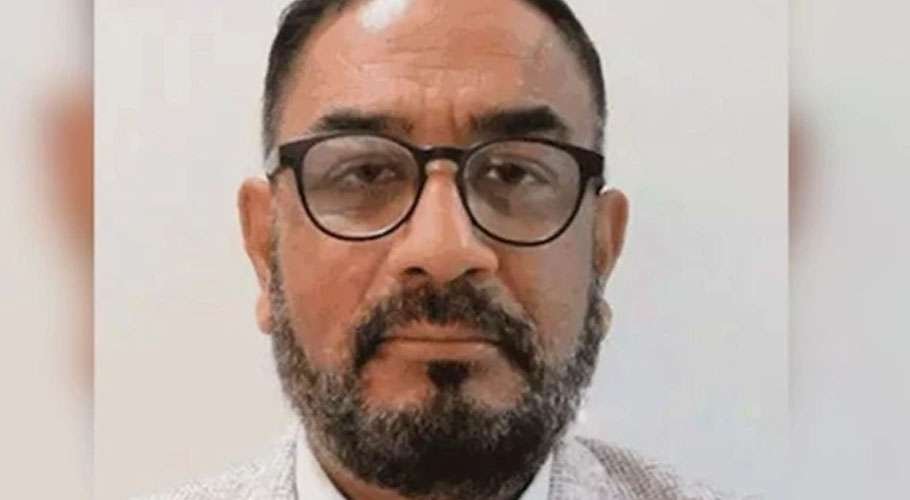

Qatar has re-arrested former Indian Navy officer Commander Purnendu Tiwari, renewing concerns over a sensitive and longstanding diplomatic issue between India and Qatar. The development has drawn international attention due to the gravity of the charges and prior legal proceedings.
Background of Commander Tiwari’s Arrest
Commander Purnendu Tiwari was first detained in Qatar in August 2022 along with seven other former Indian Navy officers. The arrests sparked concern in India and raised questions about the safety of Indian military personnel abroad.
In October 2023, a Qatari court sentenced all eight officers, including Tiwari, to death over alleged espionage charges. The verdict caused widespread diplomatic alarm, as the Indian government engaged in intensive negotiations to secure their release or a fair trial.
Despite ongoing efforts, Qatar did not extradite Tiwari to India in February 2024, citing the seriousness of the espionage accusations. Diplomatic sources revealed that legal complexities and Qatar’s internal security considerations played a role in the denial of extradition.
Recent Re-Arrest and Diplomatic Concerns
The Indian Ministry of External Affairs has confirmed that Commander Tiwari was taken into custody again in Qatar. Officials in New Delhi are reportedly in contact with Qatari authorities to obtain clarification regarding the circumstances of his re-arrest.
Media reports suggest that the re-arrest may relate to ongoing investigations into the espionage case or procedural issues tied to Qatar’s legal system. However, specific details about the charges or expected legal proceedings have not been released.
The re-arrest has sparked renewed concern in India, both within the Ministry of Defence and among political leaders. It underscores the delicate nature of the situation and the potential impact on India-Qatar relations.
Indian Government’s Response
The Indian government has reiterated its commitment to protecting its citizens abroad. Diplomatic channels are being utilized to seek immediate consular access and ensure that Commander Tiwari receives fair treatment under Qatari law.
Experts note that cases involving foreign military personnel accused of espionage are particularly sensitive. They often require careful navigation to balance national security interests, diplomatic ties, and international legal norms.
India’s past diplomatic efforts included repeated high-level engagements with Qatari officials. These efforts focused on providing legal assistance, monitoring trial proceedings, and advocating for humanitarian considerations, especially given the death sentences issued in 2023.
Broader Implications
The re-arrest of Commander Tiwari highlights the broader challenges faced by Indian military personnel stationed or traveling abroad. It also emphasizes the importance of bilateral engagement between India and Qatar on security and legal matters.
Observers suggest that the case could influence future defense cooperation, intelligence-sharing agreements, and the treatment of Indian expatriates in Qatar. The situation also draws attention to the complexity of espionage accusations in international contexts, where national security concerns often override diplomatic pressures.
The international community continues to monitor the case closely, as the handling of such sensitive legal matters may have ramifications beyond India and Qatar. Human rights groups and legal experts have also called for transparency in the legal process and protection of detainees’ rights.
