

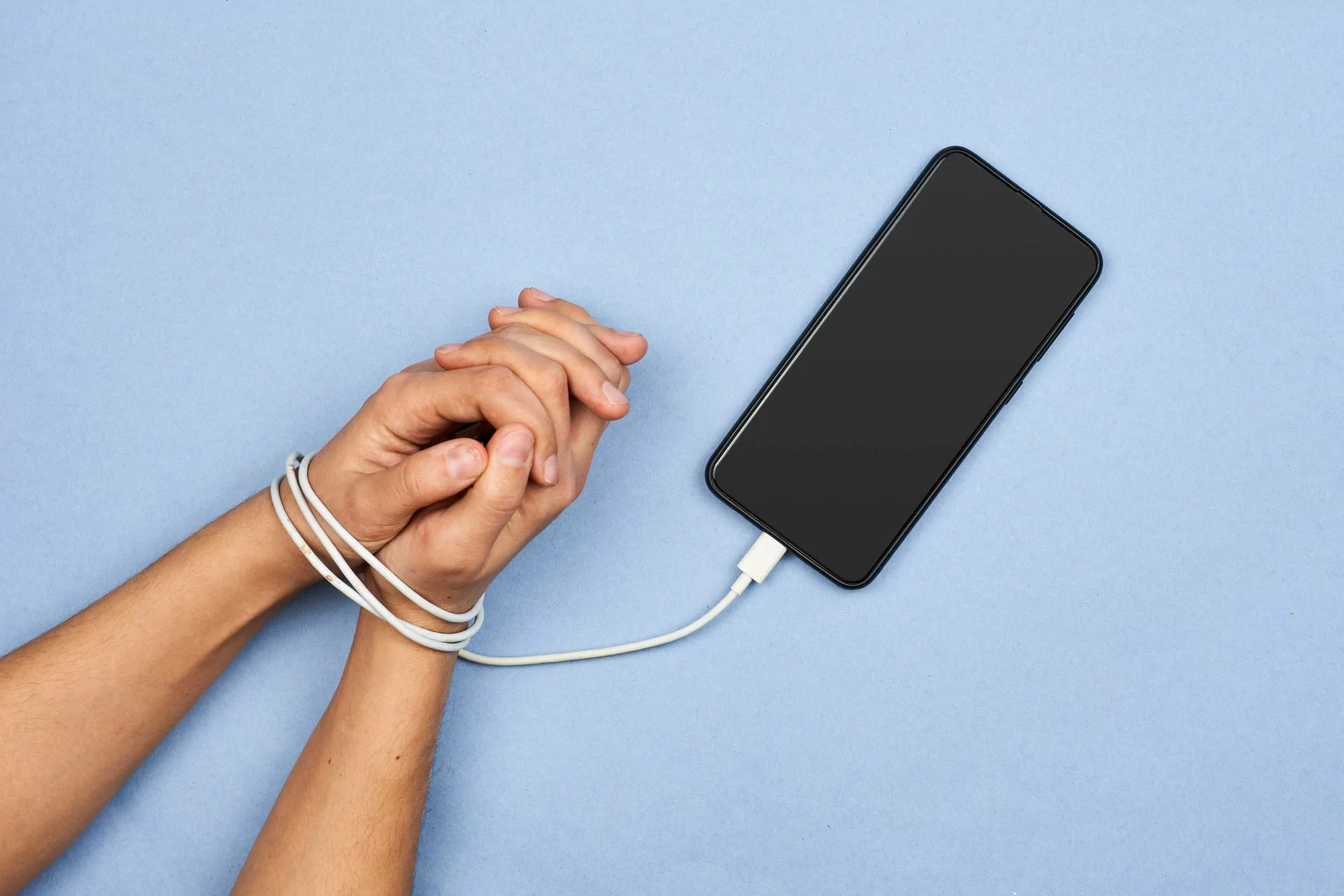

Smartphones have become indispensable for work, safety, and social life, but experts warn that dependence can lead to a serious psychological condition called nomophobia—the irrational fear or anxiety of being without a mobile phone.
Studies show that around 94 percent of mobile phone users in the United States experience nomophobia to some degree, and similar trends are emerging rapidly in the Middle East, particularly in the UAE.
Nomophobia often goes unnoticed by individuals, manifesting through subtle symptoms such as sleep disturbances, irritability, anxiety, lack of concentration, and mental stress when phones are not within reach.
Dr Omar bin Abdulaziz of NMC Royal Hospital Abu Dhabi notes that patients rarely visit clinics specifically for nomophobia, but its effects are evident in disrupted sleep patterns, mood changes, and declining daily performance. Research among students and young people in the UAE also links excessive phone use to poor sleep quality and heightened psychological stress.
Psychologists emphasize that the problem is not merely overuse but the loss of balance and self-control. Persistent anxiety, strained relationships, work or study disruption, and intense panic when disconnected are red flags.
Emotional dependence on online validation is also a growing concern, especially among youth. Clinical psychologist Srividhya Srinivas of Mediclinic Kamali Clinic Dubai notes that more therapy cases now involve nomophobia symptoms, even if patients are unaware of the term.
Experts agree that solutions focus on balance rather than banning phones. Practical steps include keeping phones out of the bedroom at night, gradually increasing time away from screens, and reducing unnecessary notifications.
For teenagers, parental modeling of balanced digital habits and setting clear boundaries is effective. Dr Shaju George, psychiatrist at International Modern Hospital Dubai, adds that physical symptoms such as rapid heartbeat, sweating, trembling, and irregular breathing when separated from phones are increasingly reported.
While large-scale regional data remain limited, trends show that young people—particularly women—are most affected. Experts stress the urgent need to address nomophobia and restore healthy digital habits to protect mental health and wellbeing in highly connected societies.
