

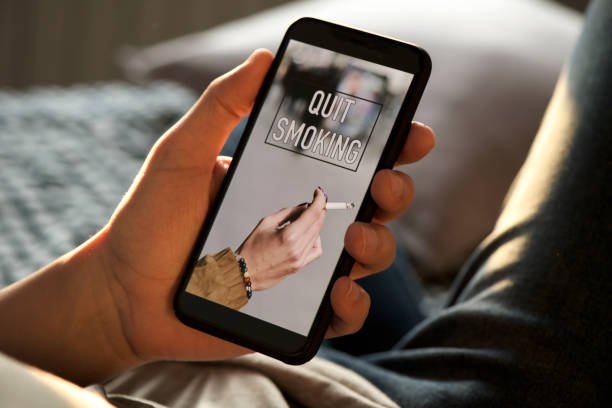

A recent study has shown that mobile phone interventions can significantly help tuberculosis (TB) patients quit smoking, improving recovery outcomes. Researchers investigated whether sending motivational messages could encourage patients to give up smoking, a habit known to slow TB recovery.
The trial involved 1,080 TB patients in Bangladesh and Pakistan who were smokers. Participants were divided into two groups: 720 individuals received text messages with daily motivational content for the first two months, followed by weekly messages for the next four months, while the remaining 360 received only printed information on quitting smoking.
The study, published in JAMA, found that those receiving regular motivational messages were far more successful in quitting. About 41 percent of the text-message group quit smoking for six months, compared to significantly lower success among those receiving only printed information.
This demonstrates the potential of mobile technology to provide ongoing support and encouragement, particularly in resource-limited settings.
Professor Kamran Siddiqi, the lead researcher, emphasized that quitting smoking is crucial for TB patients, as cessation accelerates recovery and improves overall health outcomes. The study highlights that frequent, tailored motivational messages can effectively change behavior and assist patients in maintaining long-term smoking cessation.
The findings underscore the importance of integrating digital health tools, such as mobile phone messaging, into public health interventions. Such low-cost, scalable solutions can reach a large number of patients, provide consistent support, and reduce barriers to accessing traditional cessation programs.
This approach not only helps patients improve their TB recovery but also contributes to broader public health goals by reducing smoking-related morbidity and mortality.
The study suggests that mobile-based interventions could be replicated in other regions with high TB and smoking prevalence, offering a promising strategy to enhance patient outcomes through accessible technology.
