

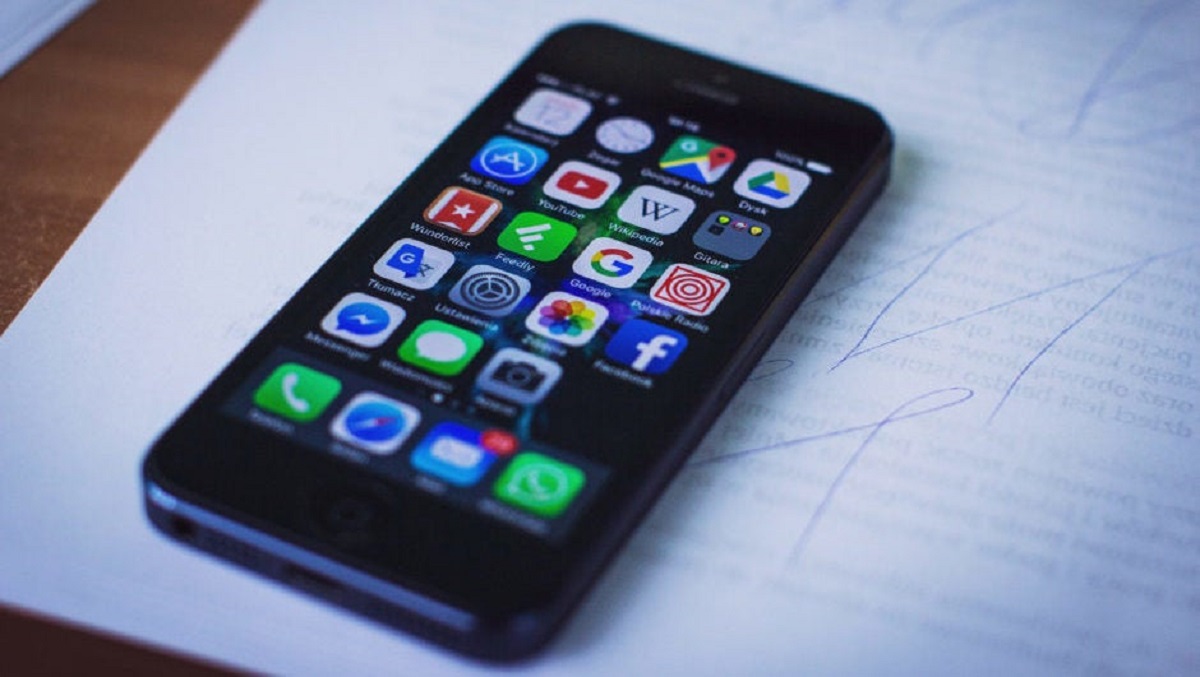

Imagine waking up to discover your phone is no longer yours alone. A new app now lives inside it. You did not install it. You cannot delete it. It did not ask for permission. It simply arrived.
This app belongs to the government. It sits quietly. It watches silently. It has access to your messages, searches, photos, and movements. There are no settings to turn it off. There are no consent screens to tap through.
It sounds like fiction. It feels uncomfortable. Yet this scenario is no longer imaginary.
The Rise of Mandatory Surveillance Apps
In India, the government has directed smartphone makers to preload a cyber-safety app on all new phones. The app cannot be removed. It is promoted as a tool for theft prevention, fraud control, SIM verification, and national security.
On paper, these goals sound reasonable. Most citizens want safety. Most support efforts against crime and terrorism. The promise is protection. The reality raises deeper questions.
The real concern is not what the app does today. It is what it could do tomorrow. Once the state enters personal devices, limits become blurry. Surveillance rarely stays small. Like power, it grows.
This is not new. Democracies across the world have done similar things before. The UK once ran a program called “Karma Police.” It quietly collected records of websites people visited. Not for a specific crime. Just in case someone became interesting later.
The United States also ran large data collection programs. Text messages from around the world were gathered automatically. Personal moments were swept up without warning. Privacy became collateral damage.
The Case For Surveillance, And Its Cost
To be fair, surveillance has real benefits. Imagine authorities identifying terrorists instantly. Imagine tracking criminals who disappear after violent crimes. Imagine finally holding mob attackers accountable.
For countries struggling with crime, these tools feel tempting. They promise efficiency. They promise order. They promise safety where the system has failed before.
But nothing comes free. The cost is personal data. The cost is privacy. Your digital life becomes currency. Your habits become records.
This forces a difficult question. Do we want safer streets at the cost of constant monitoring? Do we choose security over solitude? Is a crime-free society worth a life lived under observation?
The dilemma deepens with technology’s next step. Artificial intelligence.
From Surveillance to Prediction
Future surveillance will not just watch. It will predict. AI systems will study movement patterns. They will infer intent. They will build psychological profiles.
Dashboards will not only show where you are. They will guess where you will go. This is no longer surveillance. This is precrime.
There may still be hope. Some thinkers argue digital interactions should be protected like medical or legal records. If AI processes data without exposing personal details, privacy and safety could coexist.
But Pakistan is far from that debate. Our institutions struggle with restraint. Surveillance tools here would not stay limited. They would be used against critics faster than criminals.
So the question for us is simple. If such systems arrive tomorrow, can we trust the hands controlling them?
Technology itself is neutral. Power is not.
