

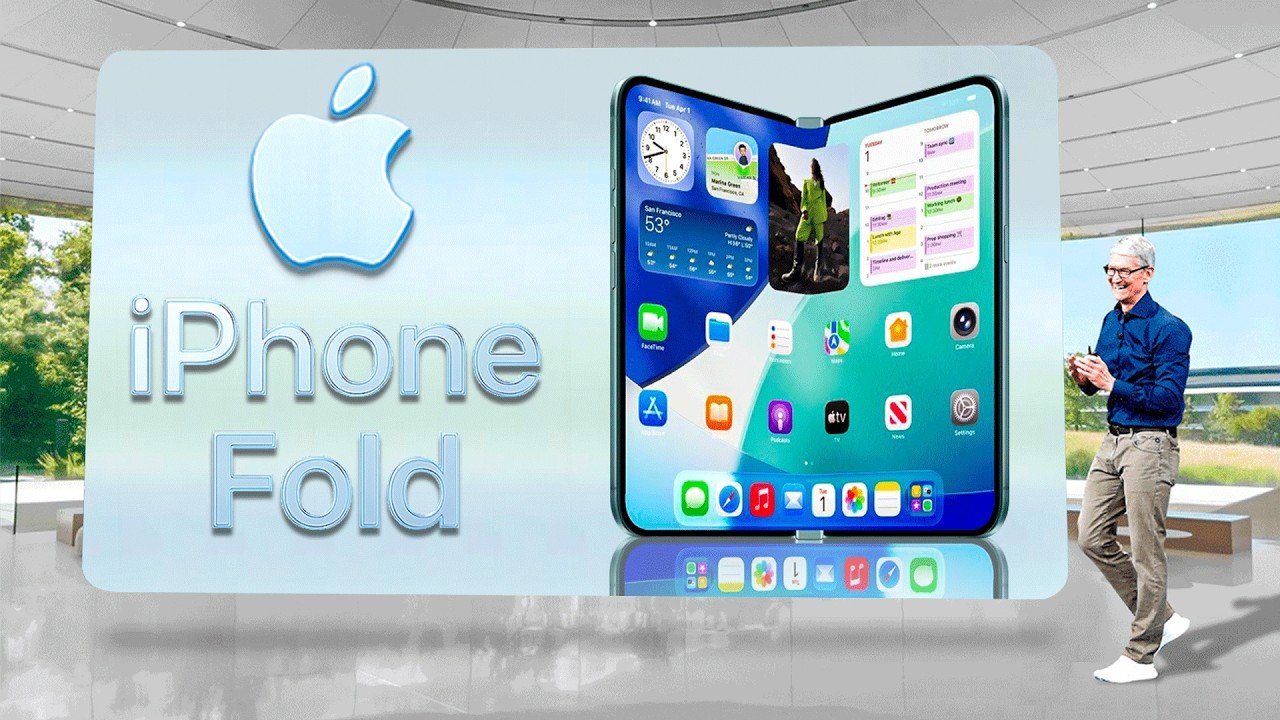

Apple’s long-rumored foldable iPhone is no longer a distant concept. New leaks and supply chain reports suggest the device is actively in development, with a confirmed launch window set for September 2026. If accurate, this would mark the most dramatic evolution of the iPhone since its original debut, signaling Apple’s official entry into the foldable smartphone market.
Dual Display Design Revealed
According to recent reports, Apple’s foldable iPhone will feature a dual-display setup. The internal flexible display is expected to measure between 7.7 and 7.8 inches. The external cover display is said to range from 5.3 to 5.5 inches. These dimensions suggest a book-style foldable design, similar in concept to existing foldables but refined with Apple’s design philosophy.
When folded, the compact outer screen will allow easy one-handed use. Users will be able to text, make calls, and check notifications without opening the device. When unfolded, the large inner display will provide a tablet-like experience suitable for multitasking, content consumption, and productivity.
Focus on Practical Form Factor
The leaked display sizes show Apple’s intent to solve a long-standing smartphone compromise. Users often choose between portability and screen size. Apple’s foldable iPhone aims to deliver both. The compact exterior ensures daily convenience, while the expansive interior supports immersive workflows, video editing, gaming, and document creation.
Industry observers note that this duality could appeal strongly to professionals and content creators who want power without carrying multiple devices.
Advanced Display Technology and Crease Reduction
One of Apple’s biggest challenges appears to be display engineering. Reports suggest Apple is working with premium suppliers, including Corning and SCHOTT, to develop advanced glass materials. The primary goal is to minimize or eliminate the visible crease found in most foldable displays.
If Apple succeeds, this could address the biggest complaint about current foldable phones. A near-invisible crease would significantly improve durability, aesthetics, and long-term usability, potentially pushing foldables into mainstream adoption.
Innovative Camera System Across Two Screens
Camera technology will remain a key focus. The foldable iPhone is expected to feature dual 48-megapixel rear cameras. These sensors would maintain Apple’s high imaging standards while enabling advanced photography and video recording.
The outer display will reportedly include a hole-punch camera, possibly integrated with Dynamic Island features. This ensures full selfie and video call functionality even when the phone is folded.
More notably, the inner display may use an under-panel camera. Leaks suggest a 24-megapixel under-display sensor, a major improvement over current under-display camera technology. This would allow a clean, uninterrupted viewing experience on the large internal screen.
Touch ID Makes a Comeback
In a surprising shift, Apple is expected to drop Face ID for this device. Instead, the foldable iPhone will reportedly use a side-mounted Touch ID fingerprint sensor. This decision appears to be driven by engineering constraints.
Face ID hardware requires space and depth. In a foldable device, space is limited due to dual displays, a reinforced hinge, and a slim profile. Touch ID offers reliable authentication without adding complexity, while also working consistently in both folded and unfolded modes.
Strong Hinge and Durability Focus
Durability is another major priority. Leaks describe a highly reinforced hinge system designed to withstand thousands of folds. Apple appears determined to avoid the early durability issues seen in first-generation foldables from other brands.
This emphasis on reliability aligns with Apple’s reputation for long-term usability and premium build quality.
Pricing and Market Positioning
The foldable iPhone is expected to carry a premium price. Analysts estimate a starting price of at least $2,000, with some projections reaching $2,500. This positions the device well above current flagship iPhones.
Initial shipment estimates range between 3 and 5 million units. This suggests Apple is targeting early adopters and professionals rather than mass-market consumers. The strategy mirrors Apple’s approach with earlier category-defining products.
Impact on the Future of iPhones
Apple’s foldable iPhone could reshape the entire iPhone lineup. Rather than existing as a separate category, it is expected to sit at the top of the iPhone range. This integration would encourage developers to optimize apps for foldable displays within Apple’s ecosystem.
The device may also blur the line between iPhone and iPad, potentially reducing the need for smaller tablets.
A Calculated Foldable Gamble
Apple’s foldable iPhone reflects a cautious but ambitious strategy. By prioritizing crease-free displays, durability, and seamless software integration, Apple aims to overcome the limitations that have slowed foldable adoption.
If successful, the foldable iPhone could transform foldables from niche products into essential tools, redefining how users interact with smartphones in the years ahead.
