

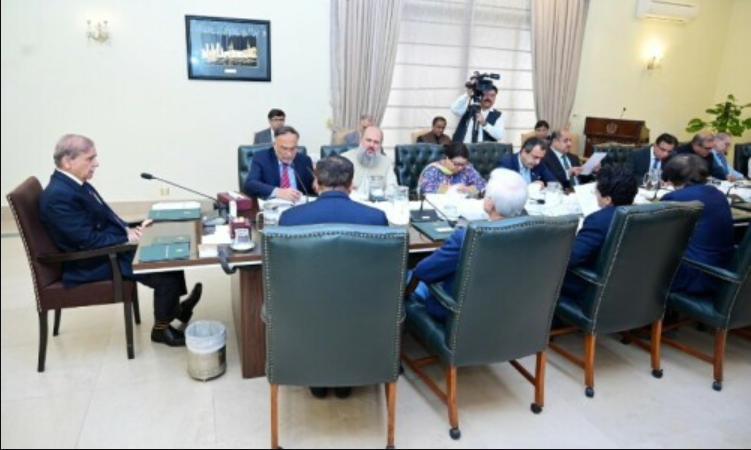

Government expenditure on civil administration continues to rise, even though strict austerity and major restructuring efforts remain in place. Fresh fiscal data for the first quarter shows a significant increase in spending from July to September.
Civil administration costs rose by 13 percent in the first quarter of the current fiscal year. The expenditure reached Rs161.2 billion, compared to Rs142.5 billion during the same period of the previous year. This increase occurred despite large-scale abolition of posts and mergers across various ministries and departments.
Mass Downsizing Fails to Curb Growing Costs
Although the government removed more than 150,000 posts last year, the impact on spending appears limited. Moreover, an additional 54,000 vacant posts were abolished recently. Officials said this cut would save over Rs56 billion every year. However, the rising cost trend continues.
The restructuring process includes merging ministries, closing departments and reducing administrative layers. Yet, civil administration expenses have grown steadily over several years. Last year’s first quarter already showed an 8 percent jump. The year before recorded a 29 percent surge.
Overall, civil administration costs have increased by almost 80 percent since the first quarter of FY22, when the expenditure stood at Rs89.5 billion.
Pension Payments Record Sharp Growth Over Five Years
Pension payments also continue to rise. In the first quarter of the current fiscal year, pension expenses reached Rs249.5 billion. This reflects a 10 percent increase from the Rs223 billion spent during the same period of FY25.
During the previous year, pension payments climbed by 9 percent. Over a five-year period, the increase reached almost 125 percent. In FY22, pension expenses amounted to Rs111 billion for the first quarter. By the end of the last fiscal year, the annual pension bill had risen to Rs911 billion.
Subsidy Payments Show Sudden and Dramatic Surge
Unlike pensions and administrative expenses, subsidies fluctuate because the government can delay such payments. However, the first quarter of the current year saw a sudden sixfold increase. Subsidy payments rose to Rs120 billion. Last year, the government spent only Rs20 billion during the same period.
Two years earlier, subsidy payments in the first quarter were Rs93 billion. In FY24, however, the government released only Rs2.5 billion. The total subsidy bill for the last fiscal year later reached Rs1.298 trillion.
Austerity Measures Continue but Loopholes Persist
The government has officially maintained a strict austerity policy since 2021. These measures include bans on new vehicles, machinery, equipment and the creation of new posts. These steps formed part of fiscal reform commitments linked to international financial programmes.
However, various ministries and departments reportedly continue to bypass restrictions through different justifications. As a result, spending continues to climb across key sectors, creating concern over long-term fiscal sustainability.
