

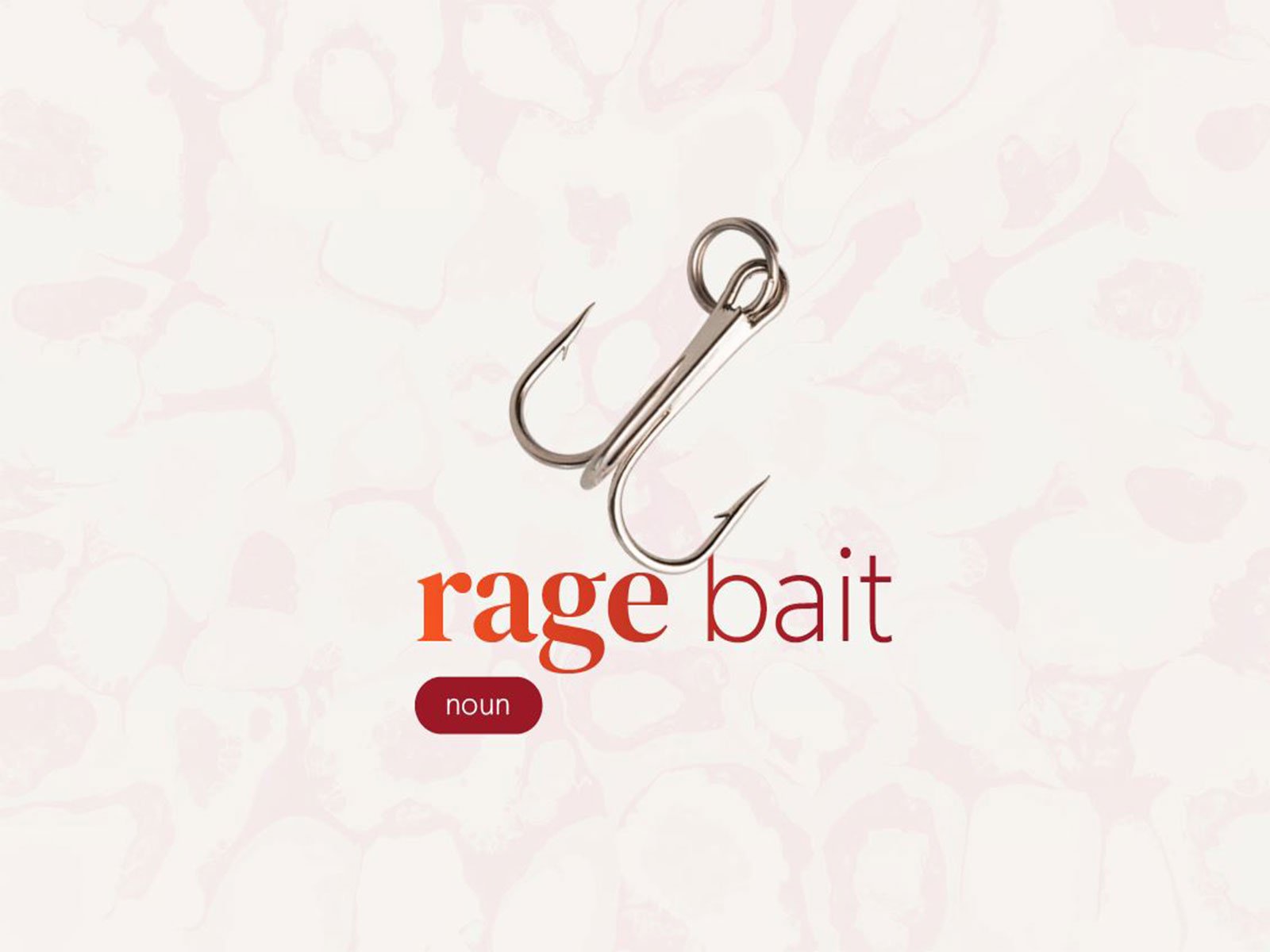

Oxford University Press has announced “rage bait” as its Word of the Year for 2025, following a notable surge in usage and public recognition. The term was selected from a shortlist of three expressions—rage bait, aura farming, and biohack—after more than 30,000 people voted over three days. Oxford’s language experts made the final decision by evaluating public sentiment, voting patterns, and linguistic data.
Oxford defines rage bait as “online content deliberately designed to elicit anger or outrage by being frustrating, provocative, or offensive, typically posted to increase traffic or engagement.” Researchers report that its use has tripled in the past year, highlighting shifting discussions about attention, online ethics, and digital behaviour.
The term first appeared in 2002 on Usenet, originally describing the irritation caused when a motorist flashed their lights to overtake. Over time, it evolved into internet slang referring to viral posts, often used critically to describe systems that determine what content circulates online.
Today, rage bait is widely employed in newsrooms and by content creators as shorthand for deliberately divisive material aimed at provoking anger to boost engagement.
The phenomenon has also influenced practices such as rage farming, where creators repeatedly seed provocative content, sometimes including misinformation or conspiracy-driven material, to cultivate sustained outrage.
Although composed of two words, Oxford recognizes rage bait as a single lexical unit, combining “rage,” a violent outburst of anger, with “bait,” originally meaning a tempting morsel.
Oxford’s experts note that the rise of rage bait underscores English’s adaptability in forming new compounds that reflect contemporary realities. Casper Grathwohl, President of Oxford Languages, commented that the term’s prominence highlights growing public awareness of online manipulation. “The internet has shifted from capturing our curiosity to hijacking our emotions,” he said, noting that rage bait reflects “the extremes of online culture” at a time when technology increasingly shapes human identity and behavior.
This selection demonstrates how language evolves to mirror societal trends, offering insight into the ways people interact with digital media and navigate the complex dynamics of online engagement.
