

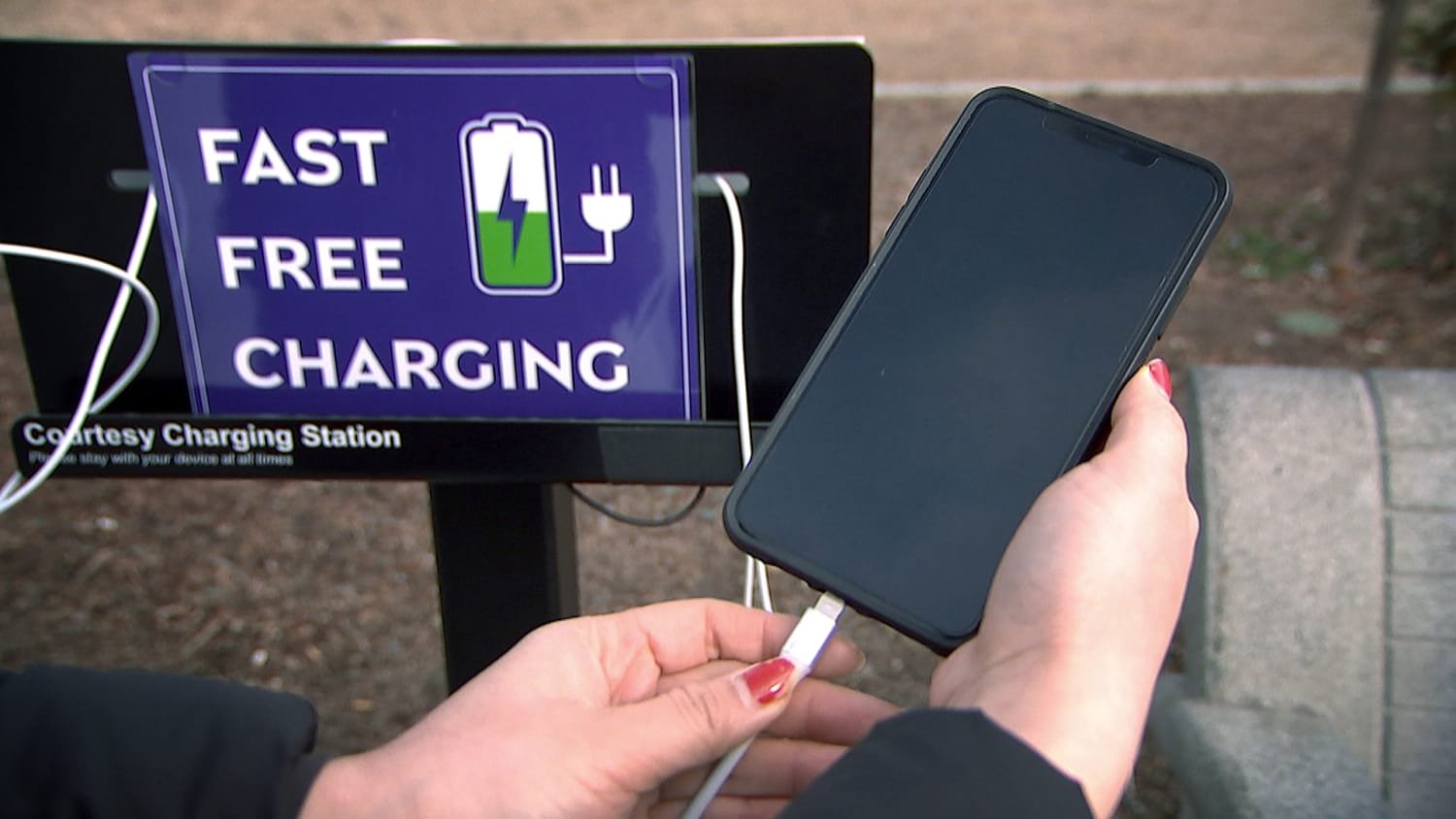

“Juice jacking” has become a buzzword in travel security, sparking concern among frequent flyers and smartphone users. The term refers to cybercriminals potentially exploiting public USB charging ports—like those found at airports, cafes, or train stations—to steal data or install malware on connected devices.
The U.S. Transportation Security Administration (TSA) and the Federal Communications Commission (FCC) have issued warnings about the practice, urging caution when using public charging stations.
Juice jacking is theoretically possible because USB cables transmit both power and data. A compromised charging port could, in principle, manipulate this data connection to infect devices.
However, actual cases are extremely rare. A 2019 statement from the Los Angeles County District Attorney’s office confirmed there were no known instances of juice jacking, while cybersecurity researcher Mike Grover reiterated in 2023 that such attacks have not been documented in public spaces.
Experts say that the greater threat lies not in sophisticated data theft but in hardware issues—like voltage fluctuations at public charging points—that can damage phones. Users are also more likely to face risks from unsecured public Wi-Fi networks, lost or unlocked devices, or infected USB drives.
To reduce risks, users should decline any “trust this device” prompts when charging, as power transfer does not require data exchange. Keeping devices updated helps defend against malware that targets outdated systems.
For safer charging, travelers should use their own cables and adapters and plug directly into AC outlets. If a public USB charger must be used, data-blocking adapters or charging-only cables are recommended.
Wireless charging pads, which transfer only power, offer another safe option. Additionally, using a VPN on public Wi-Fi networks helps safeguard personal information. Staying vigilant and practicing good digital hygiene remain the most effective ways to prevent compromise.
