

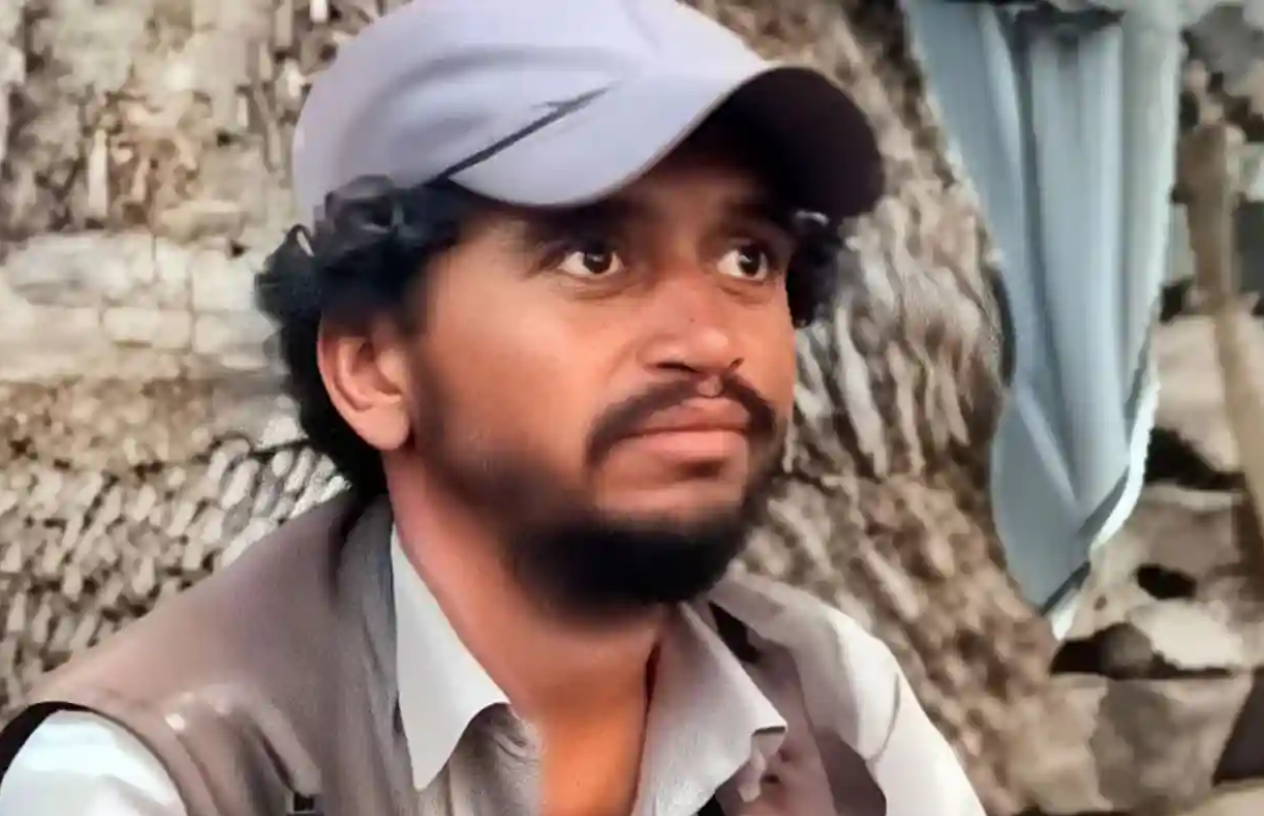

Security sources have confirmed the death of Jameel Tetak, one of the most wanted commanders of the militant network Fitna Al-Hindustan (FAH). The terrorist leader was reportedly killed during a recent security operation in Balochistan, marking a major success in ongoing counterterrorism efforts across the province.
According to officials, Jameel Tetak, a resident of Panjgur District, was responsible for orchestrating several high-profile terrorist attacks. These included the 2022 assault on Panjgur Headquarters and multiple strikes in Buleda and nearby areas. His activities caused significant instability in the region and posed a persistent threat to both civilians and law enforcement personnel.
Tetak’s elimination is considered a key blow to the FAH network, which has been linked to cross-border support and destabilisation efforts in southern Balochistan. Authorities believe his death will disrupt the group’s operational chain and reduce its influence in the border districts.
The latest development follows an intense clash in Balochistan’s Korki area, where local tribes confronted a group of India-backed militants attempting to infiltrate their community. Eyewitnesses reported that the militants ignored repeated warnings from tribal elders to leave the area, prompting residents to take up arms in self-defence.
During the fierce exchange of fire, four militants were killed and two others sustained injuries. One member of the local tribe was martyred, while two others were injured and later transported to a nearby hospital for medical treatment.
Local leaders praised the courage of the community for resisting the attackers and preventing further violence. They emphasised that the residents of Balochistan remain united in their determination to protect their land and repel external threats.
Security officials have lauded the collaboration between local tribes and law enforcement agencies, describing it as a model for community-based counterterrorism. Such cooperation has proven vital in recent months, as hostile elements attempt to destabilise the region through armed incursions and propaganda.
Authorities have stepped up operations across the province to eliminate remaining FAH operatives and their allied networks. Intelligence agencies continue to monitor possible hideouts and supply routes, ensuring that militant activities are effectively dismantled.
The killing of Jameel Tetak is seen as a turning point in the fight against FAH, which has been blamed for targeting civilians, infrastructure, and security forces. His death not only weakens the militant organisation’s leadership but also serves as a message that such threats will be met with decisive force.
Balochistan’s people, often on the front line of such conflicts, continue to demonstrate resilience and unity. Their defiance against militants reinforces a growing trend of local empowerment and resistance to external manipulation.
The province remains under high alert as security forces pursue remaining terrorist elements, ensuring that peace and stability return to areas long affected by violence.
