

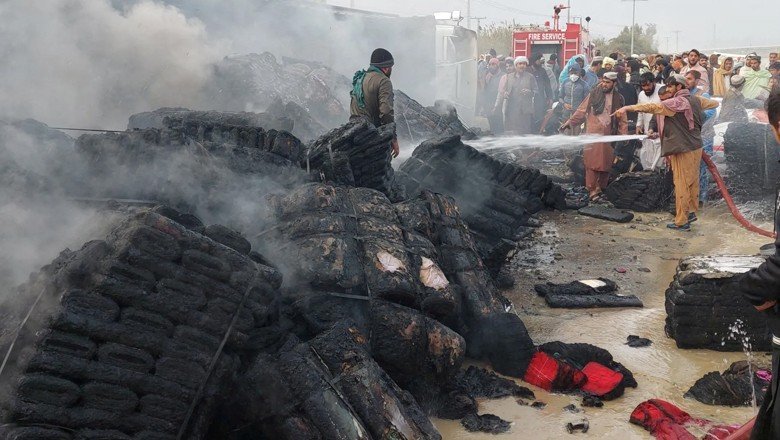

Heavy Cross-Border Fighting Sparks National Outrage as Pakistan Vows Unwavering Defence
ISLAMABAD, Oct 12 — In a deadly escalation along the Pak-Afghan border, 23 Pakistani soldiers were martyred and over 200 Taliban and affiliated terrorists killed, the military’s media wing Inter-Services Public Relations (ISPR) confirmed on Sunday. The skirmishes began late on the night of October 11-12, following what Pakistan termed an unprovoked attack by Afghan Taliban and India-backed Tehreek-e-Taliban Pakistan (TTP), also labelled by authorities as Fitna-al-Khawarij.
The ISPR stated that these attacks were part of a deliberate attempt to destabilise Pakistan’s western borders and support terrorism inside the country. The response from the Pakistan Army was swift and forceful, involving precision airstrikes, heavy artillery, and targeted raids. These operations led to significant destruction of Taliban camps and support infrastructure inside Afghan territory.
The statement revealed that Pakistan forces launched retaliatory strikes on 21 hostile positions and temporarily captured several key posts used by militants. Training camps, command centres, and logistical hubs of both TTP and ISKP/Daesh, including groups referred to as Fitna-al-Hindustan, were neutralised in the strikes.
Major Taliban Installations Flattened; Pakistan Army Carries Out Decisive Raids
Among the major Taliban strongholds targeted were:
-
Asmatullah Karar Camp at Spin Boldak — described as one of the largest hubs for cross-border attacks.
-
Ghaznali Headquarters in the Noshki Sector.
-
Durrani Camp and multiple Manojba Battalion Headquarters.
-
Barikot Base Camp, Karzai Post, and Shapola Khula Post.
-
Taliban’s Second Battalion HQ in Brabcha — used to launch India-backed terrorists into Pakistan.
State-run media also reported that Pakistani forces had hoisted the national flag on an occupied Taliban post in Zhob Sector, after destroying a Humvee APC stationed there. Multiple Taliban tanks were also destroyed near Kurram, according to ISPR.
Despite the large-scale operations, the ISPR assured that all efforts were made to avoid civilian casualties, reiterating that Pakistan’s response was aimed solely at terrorist infrastructure and not the Afghan population.
Pakistan Issues Stern Warning, Urges Taliban to End Terrorist Support
The ISPR accused the Afghan Taliban government of actively facilitating terrorist groups, warning that Pakistan will not tolerate the use of Afghan soil for attacks. The skirmishes coincided with Afghan Foreign Minister Amir Khan Muttaqi’s visit to India, a development Pakistan called “concerning,” accusing India of funding terrorist operations in the region.
“The armed forces of Pakistan remain ever-ready to defend every inch of our territory,” ISPR said, adding that any further provocation would meet with a stronger response.
Leadership Reacts: No Compromise on Sovereignty, National Defence Non-Negotiable
President Asif Ali Zardari and Prime Minister Shehbaz Sharif issued strong condemnations, declaring that Pakistan’s sovereignty is non-negotiable. President Zardari referenced UN reports that confirm attacks originating from Afghan soil and highlighted India’s support for TTP and Baloch insurgents.
PM Shehbaz praised the professional response of the Pakistan Army under Field Marshal Syed Asim Munir, stating:
“Our forces have given a crushing reply to Afghan aggression. Every provocation will receive an effective and proportionate response.”
Interior Minister Mohsin Naqvi called the attacks a blatant violation of international law, vowing that Pakistan would respond with full strength.
Deputy PM Ishaq Dar said Pakistan was showing restraint but warned of “serious consequences” if Afghanistan failed to control terrorist groups.
“Our response is defensive, not directed at civilians. But we will take all measures to protect our people and our borders.”
International Response: Saudi Arabia, Iran, Qatar Call for Restraint and Dialogue
The latest escalation has drawn international concern.
-
Saudi Arabia urged both sides to “embrace dialogue and avoid escalation.”
-
Iran’s Foreign Ministry emphasized the need for regional stability through peaceful engagement.
-
Qatar called for immediate de-escalation and reaffirmed support for regional peace.
Kabul Denies Allegations, Calls for Halt in Hostilities
The Afghan government claimed the attack was in retaliation for airstrikes by Pakistani forces. Afghan spokesman Zabihullah Mujahid urged Pakistan to “desist from using force,” accusing Islamabad of attempting to destabilise Afghanistan. Mujahid warned of further retaliation if “Pakistani aggression” continues.
Reports also confirmed that Afghan forces had launched attacks on Pakistani border posts in Baramcha, Kurram, and Zhob, but were repelled. Afghanistan has now paused its attacks, allegedly following mediation efforts by Saudi Arabia and Qatar.
Ongoing Tensions and Cross-Border Threats
The flare-up follows months of increasing militant activity inside Pakistan, blamed on TTP and BLA terrorists operating from Afghanistan. The issue has strained ties between Islamabad and Kabul, despite multiple diplomatic warnings.
Defense Minister Khawaja Asif recently warned in Parliament that Pakistan’s patience had “worn thin.” Earlier reports indicated Afghan officials accused Pakistan of bombing a civilian market in Paktika and conducting airspace violations near Kabul — claims Islamabad has neither confirmed nor denied.
Bilawal Bhutto-Zardari Calls for Peaceful Engagement
PPP Chairman and former Foreign Minister Bilawal Bhutto-Zardari urged Afghanistan to act responsibly.
“Aggression by Afghan forces undermines regional stability. We urge Kabul to take verifiable action against terror groups operating from its soil.”
Bilawal reiterated that Pakistan desires a peaceful and prosperous Afghanistan, and called for result-oriented cooperation.
Border Crossings Closed, Trade and Transit Hit
As a result of the fighting, key border crossings at Torkham, Chaman, Kharlachi, Angoor Adda, and Ghulam Khan have been closed. The closures have disrupted trade and affected thousands of daily cross-border commuters.
Pakistan’s Warning and Path Forward
The ISPR’s final statement was clear:
“If the Taliban government continues to sponsor terrorist outfits, Pakistan will not rest until the threat is neutralised.”
Pakistan has offered dialogue but will not compromise on its territorial integrity, national sovereignty, or the safety of its people.
