

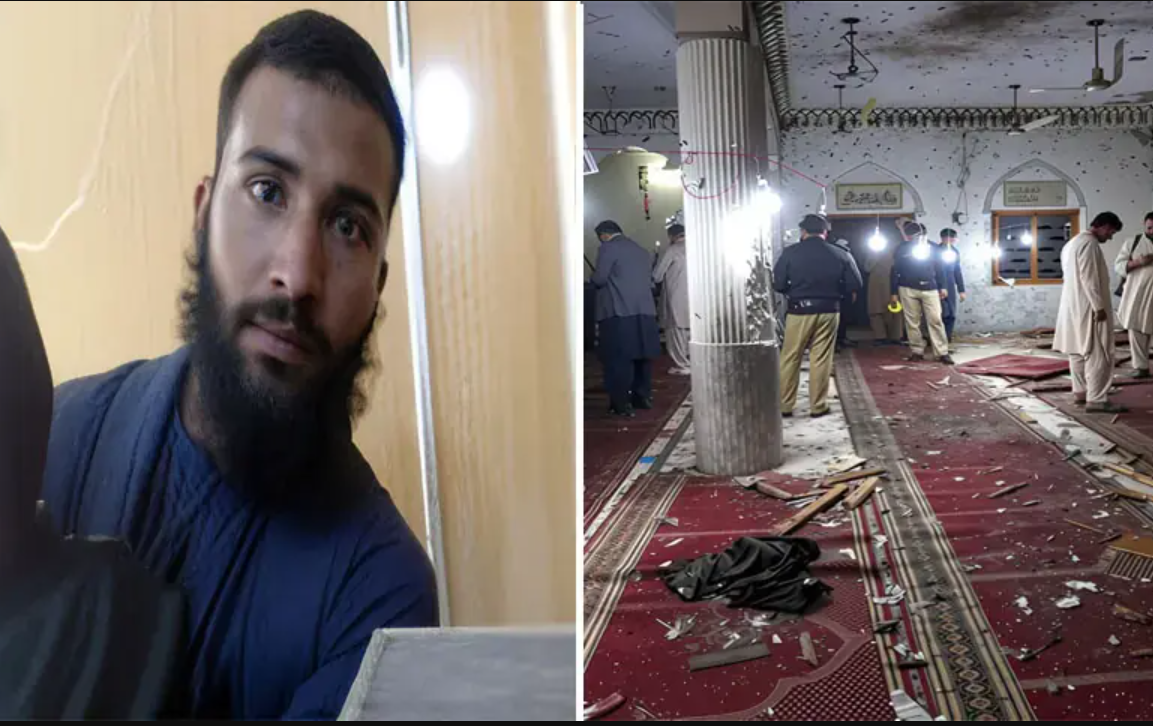

Daesh-Khorasan has faced a serious setback in Afghanistan after one of its top commanders, Mohammed Ehsani, was killed. The attack took place in the northern Afghan city of Mazar-e-Sharif, where unidentified gunmen targeted him. Ehsani, also known as Anwar, was a Tajik national who had long played a central role in the group’s operations.
According to security officials, Ehsani was responsible for training suicide bombers and coordinating their movement into Pakistan. His operational influence extended beyond Afghanistan’s borders, as he was also deeply involved in planning deadly attacks across the region. Among his most notorious actions was his role in facilitating the 2022 Kocha Risaldar mosque bombing in Peshawar. That attack, which claimed the lives of 67 worshippers, was one of the deadliest assaults in Pakistan in recent years.
Officials further revealed that Ehsani’s death will significantly disrupt Daesh-Khorasan’s ability to launch coordinated strikes. His expertise in recruitment, training, and logistics had made him an indispensable figure within the militant network. Removing him from the battlefield not only weakens the group’s leadership structure but also hampers its operational capabilities.
Ehsani was widely considered one of the masterminds behind multiple terrorist plots in Pakistan. His elimination is therefore seen as both a symbolic and tactical victory for security forces across the region. Analysts believe the group may struggle to fill the gap left by his absence, given his long-standing experience and cross-border connections.
The news of Ehsani’s killing comes as counter-terrorism operations intensify against Daesh-Khorasan and allied militant outfits. Earlier this month, during “Operation Sarbakaf” in Khyber Pakhtunkhwa, security forces eliminated three Daesh-K militants. Among them was an Afghan national who had been operating in the tribal districts. These actions form part of a broader strategy to dismantle the terrorist networks that threaten both Pakistan and Afghanistan.
Operations are also continuing in Bajaur and other areas along the Pakistan-Afghanistan border. These campaigns specifically target facilitators and logistical networks of both Daesh-Khorasan and the banned Tehrik-i-Taliban Pakistan (TTP). Security officials emphasize that cross-border cooperation remains essential, as militant groups often exploit porous borders to regroup and launch fresh attacks.
The killing of Ehsani highlights the effectiveness of ongoing counter-terrorism efforts, yet it also underscores the persistent challenges posed by militant groups in the region. Daesh-Khorasan has repeatedly attempted to expand its influence in Afghanistan while using its bases to threaten Pakistan. Although the death of a senior commander weakens the group, experts warn that it still retains the capacity to strike soft targets.
As operations continue, both Afghanistan and Pakistan remain on high alert. Security analysts stress that sustained pressure is necessary to prevent Daesh-Khorasan from regrouping. The elimination of Ehsani is a clear message that those orchestrating cross-border terrorism will eventually be tracked and neutralized. However, officials caution that the struggle against militancy is far from over.
The fall of such a high-ranking commander demonstrates the vulnerabilities within Daesh-Khorasan’s leadership. For now, the group faces internal disruption, but the fight against extremist networks requires constant vigilance. With ongoing operations in key border regions, security forces remain determined to dismantle these organizations and protect civilian lives from future attacks.
