


Pakistan has presented credible evidence that serving Indian Army officers are directly involved in terrorist activities within its borders. The revelation underscores accusations of state-sponsored terrorism and highlights ongoing regional security concerns.
Evidence of Indian Involvement in Terrorism
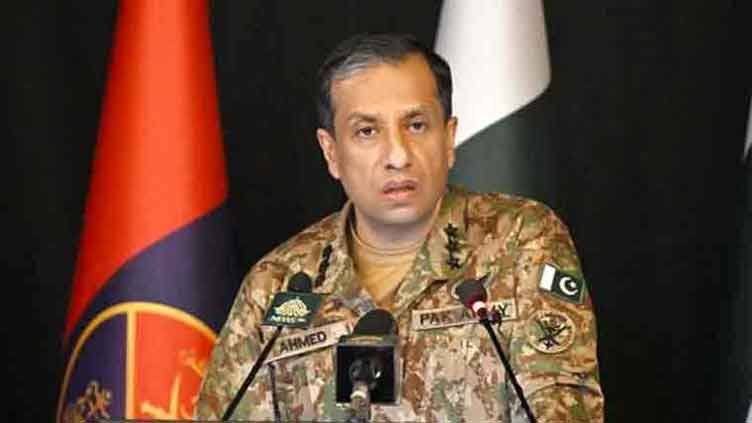
Lieutenant General Ahmed Sharif Chaudhry, Director General of Inter-Services Public Relations (ISPR), confirmed that Pakistan possesses solid proof of Indian military officers’ involvement. He explained that these activities are not isolated incidents but part of a broader state-backed agenda. Pakistan has shared this evidence with the international community several times, urging greater accountability.
According to him, India often attempts to disguise internal unrest by blaming external factors. He stressed that extremist policies within India are fueling violence, while external interference continues to destabilize Pakistan.
Afghan Refugees and Security Challenges
Lt Gen Ahmed Sharif also discussed the Afghan refugee situation. Pakistan has hosted millions of Afghan nationals for more than four decades. He stated that Pakistan arranged for their dignified and voluntary return, extending deadlines on humanitarian grounds.
The original causes of displacement, including foreign interference and civil war in Afghanistan, no longer exist. Therefore, Pakistan expects these refugees to return home in line with international principles.
He pointed out that illegal Afghan nationals in Pakistan have been linked to terrorism and other crimes. Some attacks in Pakistan have been carried out using American weapons left behind in Afghanistan after the U.S. withdrawal. Even Washington has raised concerns about the misuse of these weapons.
Kashmir Dispute and Regional Peace
When asked about Kashmir, Lt Gen Ahmed Sharif urged the international community to take a more active role in resolving the longstanding dispute. He reiterated that Pakistan rejects all non-state actors and armed groups, making it clear that only the state has the authority to declare jihad.
He emphasized that Pakistan has sacrificed immensely in the war against terrorism. By rejecting militant proxies, Pakistan seeks peace and stability both domestically and in the wider region.
Pakistan’s Regional and Global Relations
Discussing Pakistan’s external relations, he reaffirmed the country’s constructive and strategic ties with China. He also highlighted that several militants killed in counter-terrorism operations in Balochistan were previously listed as “missing persons,” disproving propaganda against security forces.
He further noted that the United States designated the banned Majid Brigade as a global terrorist group, reinforcing Pakistan’s long-standing position on regional security threats.
Conflict and Strategic Leadership
On the subject of recent tensions between Pakistan and India, referred to as Marka-e-Haq, he observed that former U.S. President Donald Trump played a strategic role during that crisis. The statement reflects the wider international dimension of South Asian security dynamics.
Pakistan continues to call for international recognition of its sacrifices in fighting terrorism. At the same time, it seeks stronger global action against Indian state-sponsored activities. The credible evidence of Indian army officers’ involvement in terrorism raises serious questions about regional stability and demands urgent international attention.
