

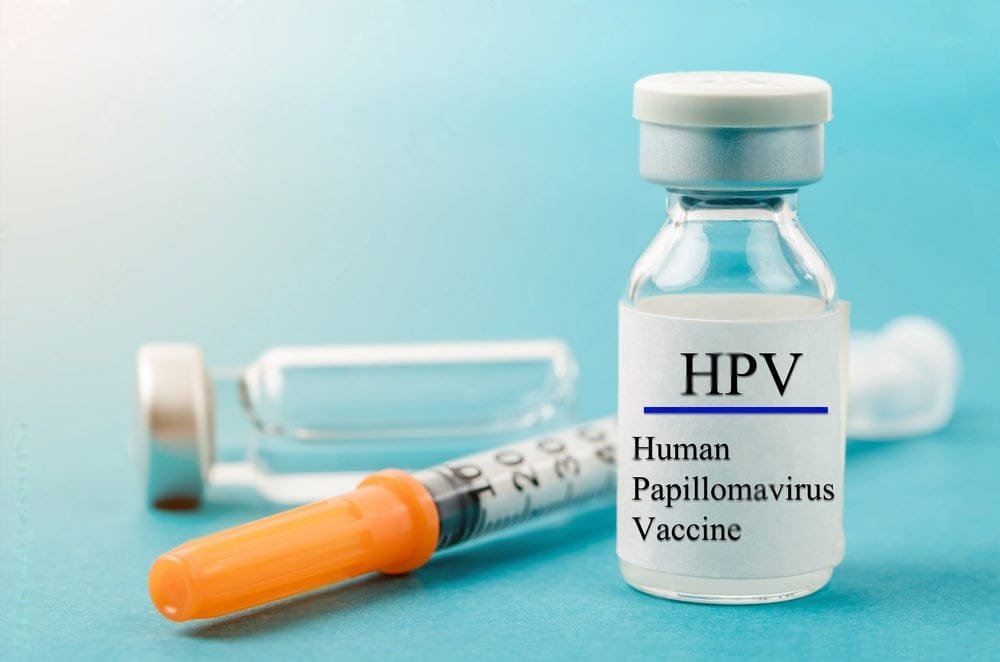

The Sindh Health Department has officially launched a province-wide HPV (Human Papillomavirus) vaccination campaign starting September 15, 2025. The 13-day initiative runs until September 27 and aims to immunize 4.1 million girls between the ages of nine and 14.
The campaign holds immense importance as HPV is directly linked to cervical cancer, the fourth most common cancer among women worldwide. In Pakistan alone, 20 women die every day from cervical cancer. Annually, 5,800 new cases are reported, with 3,309 women losing their lives to this preventable disease.
Why the HPV vaccine matters
The HPV vaccine protects against multiple cancer-causing strains of the virus. It is proven to prevent cervical, vulvar, and vaginal cancers. Globally, 148 countries have already introduced the vaccine into their immunization schedules. Pakistan is now joining these efforts to reduce the disease burden among women.
Currently, around 69 million girls over the age of 15 in Pakistan are at risk of developing cervical cancer. By introducing this campaign, health authorities aim to protect the next generation before they are exposed to the virus.
Vaccine rollout strategy
The Sindh government is offering the vaccine free of cost in a single-dose schedule, which is more effective for mass coverage. Previous multi-dose programs often suffered from dropouts due to costs and logistics.
Over 3,000 vaccinators, mostly women, have been mobilized to lead the campaign. Each vaccination team includes a vaccinator, data entry operator, social mobiliser, and assistant. Emergency medical services, including 1122 ambulances, will be available to respond to rare adverse reactions.
Vaccines are being administered at Expanded Program on Immunisation (EPI) fixed centres, in schools, and through mobile outreach teams. A digital tracking system known as the Sindh Immunisation Electronic Record System is being used to enroll participants and monitor their vaccination status for years to come.
Expert insights on HPV and prevention
Professor Tazeen Abbas, Secretary General of the Society of Obstetricians and Gynecologists of Pakistan, highlighted that HPV is responsible for 80 to 90 percent of cervical cancer cases. She described the virus as a “silent intruder,” often going undetected until it causes pre-cancerous changes over several years.
According to her, factors like weak immunity, malnutrition, diabetes, and smoking can increase the risk of HPV-related cancers. She stressed that vaccination combined with regular screening is the most effective preventive strategy.
Professor Abbas also clarified misconceptions about the vaccine. She noted that myths suggesting it causes infertility or cannot be administered during menstruation are false. She further emphasized the need for two lifetime screenings, at ages 35 and 45, for all married women.
Long-term vaccination plan
Although the current campaign is a one-time initiative, from 2026 onwards the HPV vaccine will become part of Sindh’s routine immunization schedule, beginning with nine-year-old girls. A three-year budget has already been allocated to ensure sustainability of the program.
Ensuring outreach
Dr. Saira Zaidi of the EPI explained that the 4.1 million girls targeted include two million in schools and 2.1 million out-of-school girls. To ensure inclusivity, coordination has been established with private schools, NGO-run institutions, and madrasas.
Lady Health Workers (LHWs), who cover 40 to 44 percent of Sindh’s population, are conducting door-to-door outreach for girls outside the school system. In areas without LHW coverage, Community Support Groups are holding orientation sessions to spread awareness and encourage participation.
A step toward a healthier future
This campaign marks a historic milestone in Pakistan’s public health efforts. By making HPV vaccination accessible and free, Sindh is taking a proactive step to reduce preventable deaths among women. With effective implementation, the province could significantly lower future cervical cancer cases and provide lasting protection for millions of girls.
