


The United Nations has officially launched the Pakistan United Nations Network on Migration (UNNM) to tackle human trafficking and strengthen migration governance. This initiative marks a significant step toward unified collaboration in addressing the interconnected challenges of irregular migration and migrant smuggling.
Strengthening Migration Governance
The launch aligns with international frameworks, including the 2030 Agenda for Sustainable Development and the Global Compact for Safe, Orderly, and Regular Migration (GCM). Both frameworks emphasize collective action, highlighting the urgent need to manage migration more effectively while safeguarding human rights.
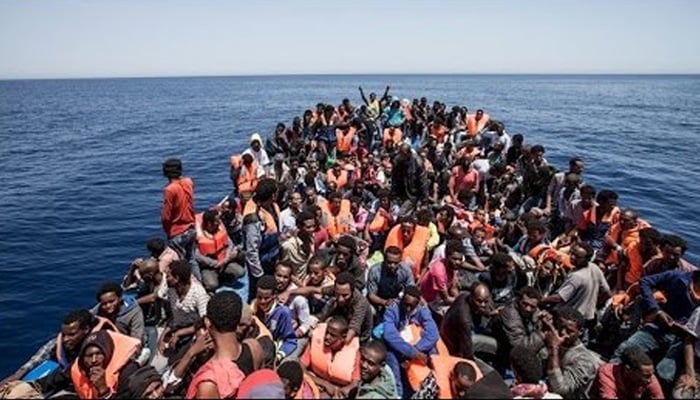
Every year, hundreds of Pakistanis attempt dangerous journeys abroad through irregular routes in search of economic opportunities. Many face life-threatening risks and, in some cases, lose their lives. The establishment of the UNNM aims to address these challenges by fostering safe migration pathways and ensuring stronger protection mechanisms.
Key Components of the Initiative
The event also marked the inauguration of Pakistan’s first Migration Multi-Partner Trust Fund (MMPTF). This joint program will contribute to national efforts in migration management, human trafficking prevention, and migrant protection. The MMPTF supports the implementation of GCM and is the only pooled funding mechanism globally dedicated to migration, accessible to all states.
The International Organization for Migration (IOM) will serve as the coordinator and secretariat for the UN Network on Migration in Pakistan. Meanwhile, the UN Resident Coordinator in Pakistan will chair the network, ensuring alignment with broader development goals and policy coherence across the UN system.
Unified Voices for Safer Migration
Speaking at the launch, UN officials emphasized that the network represents a collective resolve to promote safe, orderly, and dignified migration. The platform is designed to change the narrative on migration, amplify unified voices, and support innovative approaches to deal with complex mobility dynamics.
The event included a video message from the Head of the UN Migration Network Secretariat, Jonathan Prentice, who commended Pakistan for its active role in advancing global migration governance.
Personal testimonies also highlighted the human side of migration. A Pakistani migrant who endured a difficult journey to Europe before returning shared his experience, stressing the importance of dignity in every stage of mobility. He stated, “Life makes us move, but every journey—whether leaving home or returning—should be safer and more dignified.”
Multi-Stakeholder Engagement
The launch featured a high-level panel discussion titled “Enhancing Whole-of-Government Migration Governance in the Age of Complex Mobility Dynamics and Emerging Global Challenges.” Panelists included representatives from Pakistan’s Ministry of Foreign Affairs, Ministry of Interior, Ministry of Overseas Pakistanis, the National Commission for Human Rights, civil society organizations, and international partners.
The discussions reinforced the importance of collaboration among government institutions, international organizations, and civil society in tackling migration-related issues. The participants agreed that migration governance requires not only stronger policies but also community-based engagement to address root causes of irregular migration and trafficking.
The official launch ceremony concluded with a strong reaffirmation of Pakistan’s commitment to multi-stakeholder partnerships in migration governance. The UNNM is expected to play a pivotal role in harmonizing policies, protecting vulnerable migrants, and advancing international cooperation.
As migration becomes increasingly complex in the face of global challenges, the establishment of this network represents an important step toward creating safer and more dignified pathways for people on the move.
