

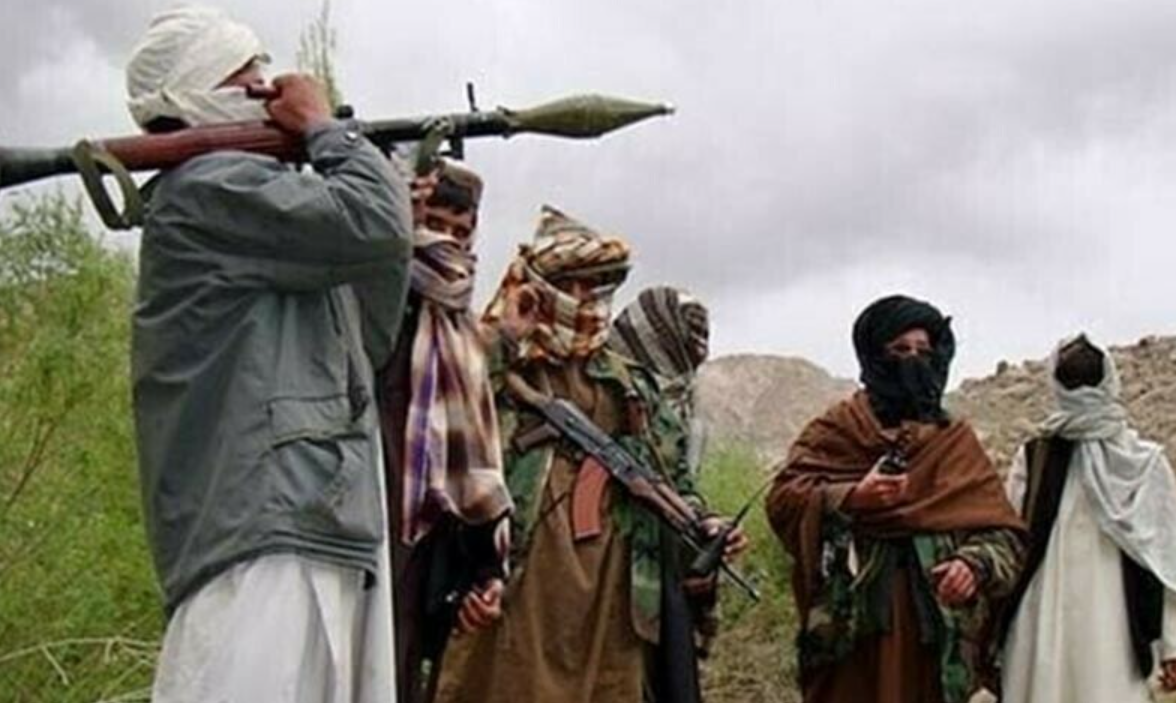

Pakistan experienced a dramatic surge in militant violence in August 2025, recording the deadliest month in over ten years. According to the Pakistan Institute for Conflict and Security Studies (PICSS), militant attacks jumped 74 percent compared to July, highlighting a troubling escalation in terrorism across the country.
Alarming Surge in Attacks Across Pakistan
PICSS data revealed that July had already shown signs of rising militancy, with 82 attacks resulting in 101 deaths and 150 injuries. However, August witnessed 143 militant incidents, leading to 194 deaths and 231 injuries. Fatalities included 73 security personnel, 62 civilians, 58 militants, and one peace committee member.
The injured comprised 129 security personnel, 92 civilians, eight militants, and two peace committee members. Militants also abducted at least 10 individuals during the month, further destabilizing security conditions.
Security Operations Intensify
In response, security forces expanded operations nationwide, killing at least 100 militants and arresting 31 others. Yet, these efforts also led to collateral damage, with three civilian and one security personnel deaths reported.
Combining both militant violence and counterterrorism actions, August recorded 298 total fatalities, including 158 militants, 74 security personnel, 65 civilians, and one peace committee member. Injuries rose to 250, marking sharp increases across all groups.
Khyber Pakhtunkhwa Worst Affected
Khyber Pakhtunkhwa (KP) bore the brunt of the violence, especially in tribal districts. The province faced 106 militant attacks — the highest in more than a decade. Tribal districts alone saw 51 attacks, marking a 200 percent increase, and causing 74 deaths. In the rest of KP, 55 attacks left 56 dead, including 26 security personnel and 22 civilians.
Operations in Bajaur and North Waziristan partially cleared militant hideouts, but tension continues to grip the region.
Escalation in Balochistan and Other Provinces
Balochistan reported 28 militant attacks that killed 52 people, including 23 security personnel and 21 civilians. Forty-five others were injured. Security forces eliminated 50 militants in the province, the highest operational toll since 2015.
Sindh witnessed six attacks that killed eight people, mostly civilians, while Punjab reported two incidents, including a banned Tehreek-i-Taliban Pakistan (TTP) assault in Dera Ghazi Khan and the killing of a cleric in Rawalpindi.
Gilgit-Baltistan also came under attack, where militants linked to TTP killed two security personnel in Chilas.
Rising Terrorism Linked to TTP
The surge in terrorism is tied to the TTP’s decision to end its ceasefire with the government in November 2022. Since then, the group has vowed to intensify attacks nationwide.
The government has labelled TTP militants as “Fitna-al-Khawarij,” urging citizens and officials to use the term “khariji” for attackers. Similarly, Balochistan-based groups have been termed “Fitna-al-Hindustan,” reflecting alleged external backing for terrorism in the province.
Legislative and Administrative Countermeasures
To address the growing threat, President Asif Ali Zardari signed the Anti-Terrorism (Amendment) Bill, 2025, which strengthens counterterrorism measures while ensuring legal safeguards. Additionally, the Balochistan government extended Section 144 for 15 more days to manage the law-and-order situation.
Pakistan’s Global Terrorism Index Ranking
Pakistan ranked second in the Global Terrorism Index 2025, underscoring the severity of the crisis. Deaths in terrorist incidents rose by 45 percent compared to 2024, reaching 1,081 fatalities.
The continued rise in militant attacks underscores the urgency for coordinated counterterrorism policies, stronger intelligence sharing, and enhanced regional cooperation to contain the threat.
