

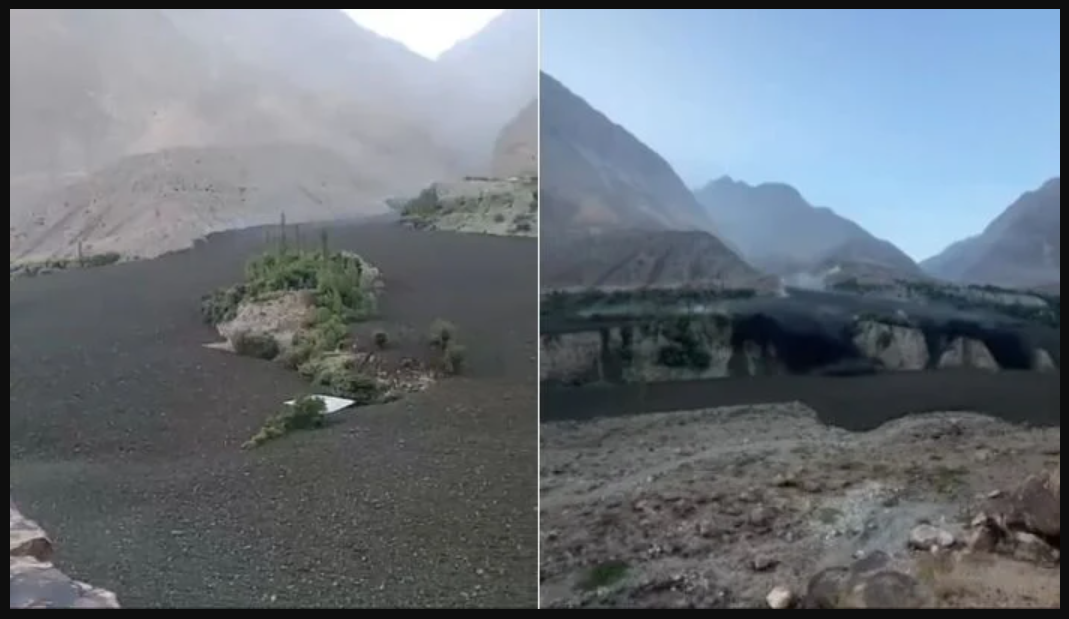

A late-night glacier burst in the Roshan Tali Das area of Gupis, Ghizer district, has triggered severe flooding and destruction. The incident has disrupted daily life and created serious risks for communities living near the Ghizer River.
Formation of a Dangerous 5 km Lake
The glacier burst led to the creation of a 5 km long lake, which has caused multiple villages to be submerged under floodwater. Officials have warned that this newly formed lake could burst at any time, intensifying the threat for low-lying areas along the riverbanks.
Although no fatalities have been reported, local residents have suffered significant financial losses due to damaged homes, agricultural fields, and livestock. Authorities are prioritizing safety by relocating communities at risk.
Evacuations and Rescue Operations
Rescue teams have worked tirelessly to ensure community safety. Over 50 individuals trapped by the glacier burst have already been successfully evacuated. Emergency response units remain on high alert as the situation continues to evolve.
A provincial government spokesperson confirmed that the Chief Minister is closely monitoring the crisis to minimize further damage. Relief operations are being conducted to provide shelter, food, and medical support to displaced families.
Disruption of Ghizer River Flow
The additional Deputy Commissioner of Ghizer explained that landslides following the glacier burst have blocked the natural flow of the Ghizer River since 3 am. This blockage has resulted in dangerous water accumulation, significantly raising the risk of erosion and large-scale flooding for nearby settlements.
Authorities quickly issued warnings to local residents, which prevented casualties. However, continued monitoring is necessary as water levels remain unstable and may cause further destruction.
Preventive Measures and Ongoing Relief Efforts
Officials stress that proactive communication and timely evacuations saved lives during the glacier burst crisis. Local administration teams are working to expand relief efforts, ensuring that affected residents receive immediate assistance. Emergency shelters are being prepared while engineers assess potential solutions to stabilize the newly formed lake.
The disaster underscores the urgent need for climate resilience measures in glacier-prone regions. Pakistan’s northern areas are increasingly vulnerable to glacier lake outburst floods (GLOFs), which can cause sudden destruction in mountain communities.
The Ghizer glacier burst highlights the growing impact of climate change on high-altitude regions. Without sustainable water management and robust disaster preparedness, such events may become more frequent and devastating.
For now, the focus remains on safeguarding lives, restoring river flow, and protecting vulnerable villages from further damage. Long-term planning and investment in infrastructure are critical to reduce risks from future glacier-related disasters.
