

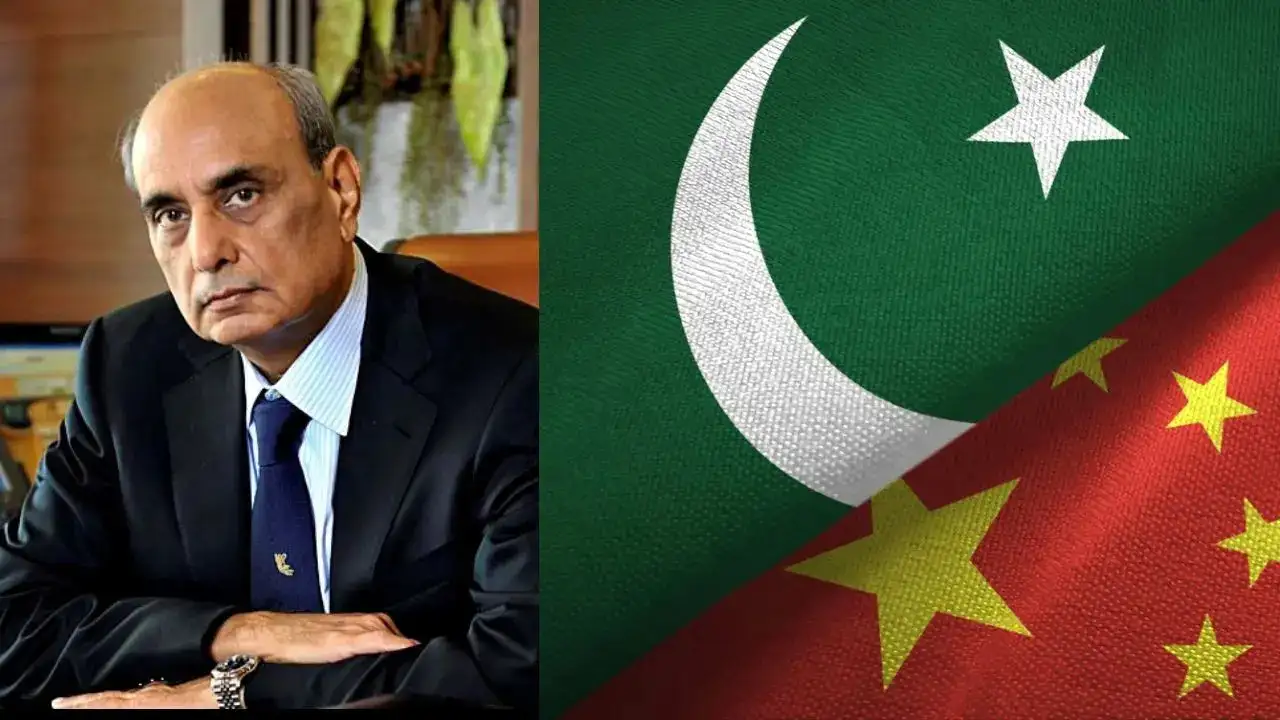

Prominent Pakistani industrialist Mian Mohammad Mansha is stepping into the electric vehicle (EV) sector through a significant collaboration with China’s renowned Chery Automobile Co. Mansha’s Nishat Group, via its subsidiary NextGen Auto Pvt., is poised to begin local production of EVs in partnership with the Chinese carmaker. This move aligns with Pakistan’s growing focus on electric mobility and sustainable transportation.
According to Muhammad Aqib Zulfiqar, Chief Financial Officer of Nishat Group, the company will officially unveil five EV models under Chery’s Omoda and Jaecoo brands at a launch event scheduled for Friday. Zulfiqar stated that the conglomerate has allocated approximately $100 million toward this ambitious automotive venture, covering manufacturing and marketing operations. Vehicle assembly is expected to commence in October.
The decision to collaborate with Chery came after Nishat Group’s delegation visited China to explore partnerships with various automakers. “China has clearly outpaced other global manufacturing hubs in EV innovation and cost-efficiency,” Zulfiqar noted, calling the partnership a “no-brainer.”
EV Industry Gains Momentum as Pakistan Sets Bold Goals
Pakistan’s EV industry has experienced a rapid influx of players, especially from China. Over half a dozen companies have introduced electric models in the local market since 2024. Leading EV manufacturer BYD is also expected to begin production in Pakistan in collaboration with a domestic partner by next year, joining existing firms like Shanghai Automotive Industry Corp.
Zulfiqar emphasized that Nishat Group, already active in sectors like cement, textiles, and finance, is eager to expand its footprint in the automotive industry. After launching Hyundai vehicles in 2017, it now offers one of the most diverse portfolios in the country.
As Pakistan targets EVs to constitute 30% of its vehicle market by 2030, the government is working to incentivize adoption by reducing electricity prices at charging stations. However, Zulfiqar urged quicker policy implementation and increased licensing for charging infrastructure to ensure the industry’s sustainable growth.
“The future lies in new energy vehicles,” he said. “Leaving the sector unregulated and overly competitive won’t drive the transformation we need.”
