

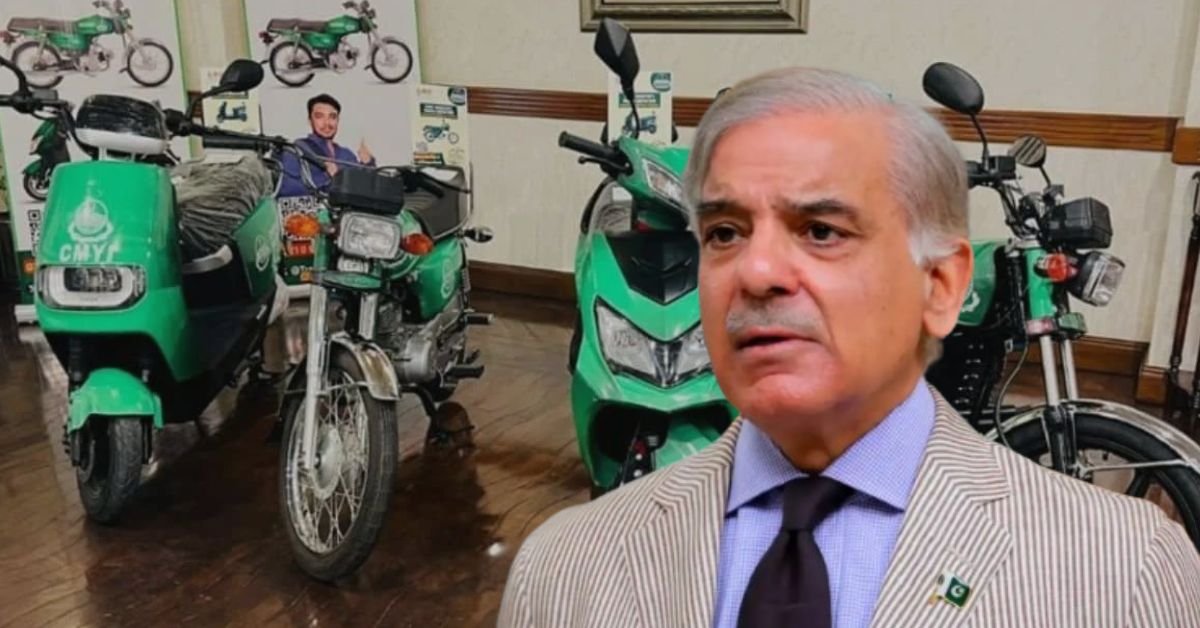

ISLAMABAD: In a major step toward promoting environmentally friendly transportation, the federal government has announced a comprehensive plan to offer 116,000 electric bikes to the public on a two-year installment basis.
This initiative, part of the country’s broader electric vehicle (EV) policy, is designed to reduce dependence on petrol and diesel-powered vehicles while encouraging the use of clean, sustainable alternatives.
According to official sources, the scheme is in its final preparatory phase and is expected to be formally launched by Prime Minister Shehbaz Sharif on Independence Day (August 14). The policy is being formulated with the active involvement of the State Bank of Pakistan and the Pakistan Bank Association, ensuring a structured and accessible financing mechanism for the public.
Under the plan, each electric bike will receive a Rs50,000 government subsidy, effectively bringing down the purchase cost. The average price of an electric bike is estimated at Rs250,000, meaning buyers will pay the remaining amount—over Rs200,000—through monthly installments over two years. The scheme will be open to citizens between the ages of 18 and 65, making it accessible to students, professionals, and senior citizens alike.
Additionally, the policy is not limited to electric bikes alone. Electric rickshaws will also be eligible for the same subsidy, helping promote green alternatives in the public transport and delivery sectors. So far, 17 local companies have obtained licenses to manufacture electric bikes, ensuring availability and encouraging domestic production.
This EV initiative aligns with Pakistan’s broader environmental goals. By 2030, the government aims to ensure that 30% of all vehicles in the country are electric. The long-term vision includes a 90% electric vehicle fleet by 2040, and a 100% zero-emission target by 2060.
To support this transformation, the government plans to allocate Rs100 billion in subsidies over the next five years. This includes Rs9 billion in the current fiscal year (2025), followed by Rs19 billion in 2027, Rs24 billion in 2028, over Rs26 billion in 2029, and Rs23 billion in 2030. These subsidies will help reduce the financial burden on consumers while promoting investment in the local EV industry.
Beyond reducing greenhouse gas emissions, the shift to electric mobility is expected to cut the country’s heavy reliance on imported fossil fuels, saving billions in foreign exchange and improving energy security. The initiative also aims to curb urban air pollution, which has reached alarming levels in major Pakistani cities.
The government believes that promoting electric vehicles through targeted subsidies and installment schemes will accelerate the adoption of cleaner transportation across all socio-economic segments. As the launch date nears, anticipation is growing around what could become a milestone moment in Pakistan’s transition toward a greener future.
