

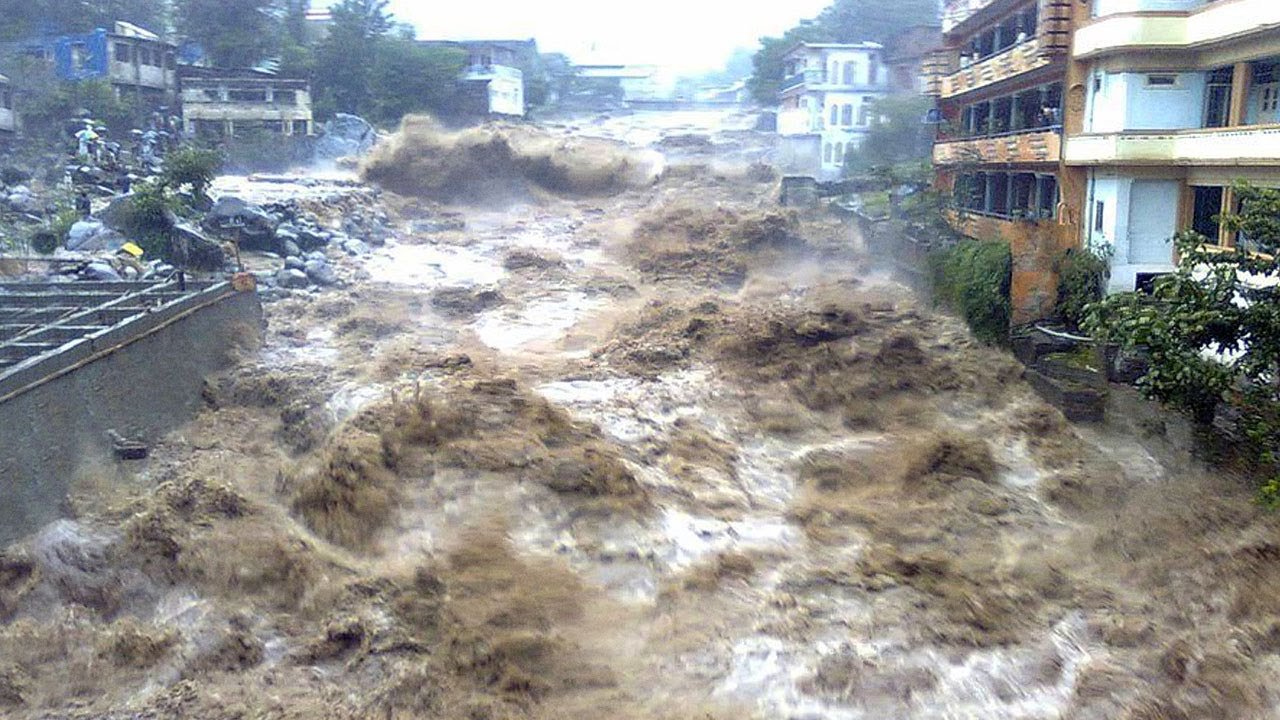

At least three tourists have died and 15 others remain missing after monsoon floods in Gilgit-Baltistan struck the Babusar area in Diamer district on Monday. Heavy rains triggered flash floods that swept away vehicles and cut off communication lines, as rescue efforts continued across the region.
The devastating monsoon floods in Gilgit-Baltistan were caused by relentless rainfall impacting parts of northern Pakistan during the seasonal monsoon cycle. According to government spokesperson Faizullah Firaq, eight tourist vehicles were submerged, and four injured people were taken to Chilas Hospital. One remains in critical condition. Rescue operations are ongoing, with hundreds of stranded tourists successfully evacuated from Babusar Highway, many now sheltered by local residents.
Thousands of tourists remain cut off as fibre optic lines have been damaged, severing communication with affected areas. The monsoon floods in Gilgit-Baltistan have made key roads impassable, with infrastructure such as farmland and highways severely damaged.
Elsewhere, in Naran’s Jalkhad area, large stones and debris blocked key roads, according to Amir Khadam Khan of Rescue 1122 Mansehra. While no casualties were reported there, emergency services, including ambulances and road-clearing machinery from the National Highway Authority (NHA), were dispatched promptly.
The monsoon floods in Gilgit-Baltistan were anticipated by the GB Disaster Management Authority (GBDMA), which had earlier issued a warning on June 29. The advisory highlighted the risk of glacial lake outburst floods (GLOF) and flash floods, urging the public to stay clear of rivers, streams, and low-lying areas.
In Punjab, the Provincial Disaster Management Authority (PDMA) stated that monsoon rains will continue until July 25. Rainfall has already caused urban flooding in southern Punjab and parts of Sindh, with more expected in Rawalpindi, Murree, Faisalabad, Lahore, and other major cities. The PDMA warned of monsoon floods in Gilgit-Baltistan and other regions, alerting that water levels in the Ravi, Sutlej, Jhelum, and Chenab rivers are rising.
Flood alerts have been issued across Punjab, and the Indus River saw low-level flooding at Tarbela, Kala Bagh, and Chashma. The PDMA reported a significant water flow of 420,000 cusecs at the Taunsa Barrage. Flood Forecasting Division figures later showed a flow of 383,456 cusecs.
In response to the worsening situation, the Punjab chief minister instructed all district administrations to remain on alert. Section 144 has been imposed along riverbanks to prevent accidents, and relevant departments including Rescue 1122 and WASA have been directed to ensure the drainage of standing water from low-lying areas. Drainage stations are to remain operational, and action will be taken against private housing societies that fail to provide proper drainage.
The public has been urged to avoid mud homes, electrical wires, and unstable structures during storms. As of last week, 123 people had died and over 460 were injured across Punjab due to monsoon-related incidents, including 71 deaths in just the past two days.
The threat posed by monsoon floods in Gilgit-Baltistan and beyond remains serious as climate change continues to intensify seasonal weather patterns. Authorities are calling on citizens to take extreme caution, follow advisories, and cooperate with rescue personnel.
