

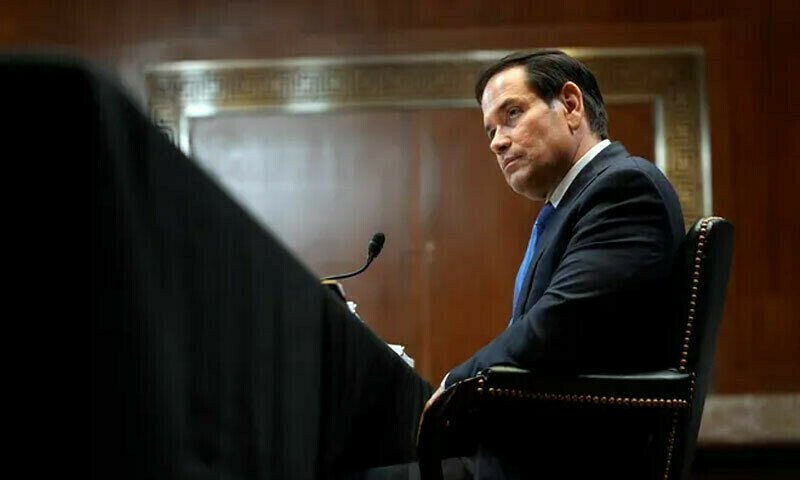

The U.S. State Department has launched an investigation into a sophisticated AI-driven scheme that attempted to impersonate Secretary of State Marco Rubio using fake messages aimed at misleading senior American and foreign officials.
State Department spokesperson Tammy Bruce confirmed that the impersonation attempts were ultimately unsuccessful.
“The department takes seriously its responsibility to safeguard its information,” Bruce said during a press briefing on Tuesday.
She opened the briefing with a pointed remark: “In my own voice. Not AI,”—a lighthearted yet telling reference to growing concerns over synthetic media and deepfakes. Pressed for further information, Bruce declined to offer specifics, citing security concerns.
AI Threat Sparks Congressional Concern
The incident has added urgency to the debate on Capitol Hill over regulating artificial intelligence. While lawmakers on both sides of the aisle agree that federal standards are necessary, there remains disagreement on how best to implement them.
A recent effort by allies of former President Donald Trump to include a federal budget provision that would bar individual states from setting their own AI regulations was withdrawn after bipartisan opposition.
“I was very pleased,” said Sen. Marsha Blackburn (R-Tenn.), who spearheaded the effort to strike the measure. “States are stepping in while Congress stalls. Now, we must move forward with a solid framework to protect people in the virtual space,” she added.
Tech Industry Pushback Slows Progress
Despite consensus on the need for regulation, progress remains stalled as Big Tech firms continue to resist new federal oversight. As a result, the future of AI governance in the U.S. remains uncertain, even as threats like the recent impersonation attempt grow more sophisticated and dangerous.
